Wildlife Safaris in Kidepo Valley National Park: A Comprehensive Guide
Uganda’s Untouched Wilderness
Kidepo Valley National Park (KVNP), located in northeastern Uganda, is often described as the country’s most remote and unspoiled wilderness. Covering roughly 1,442 square kilometers, it offers an authentic safari experience far removed from the busier southwestern parks. Its isolation has preserved an intact ecosystem of savannah plains, riverine forests, rugged mountains, and seasonal rivers, providing habitat for both common and rare wildlife species. For adventure travelers, wildlife photographers, and nature enthusiasts, KVNP delivers unparalleled encounters with big game, predators, and birdlife in a truly pristine setting.
Unique Landscape and Terrain
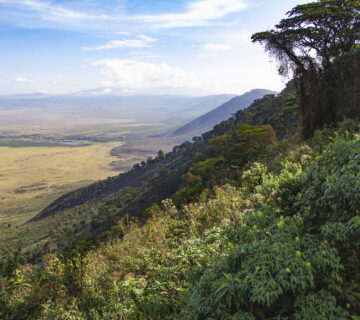
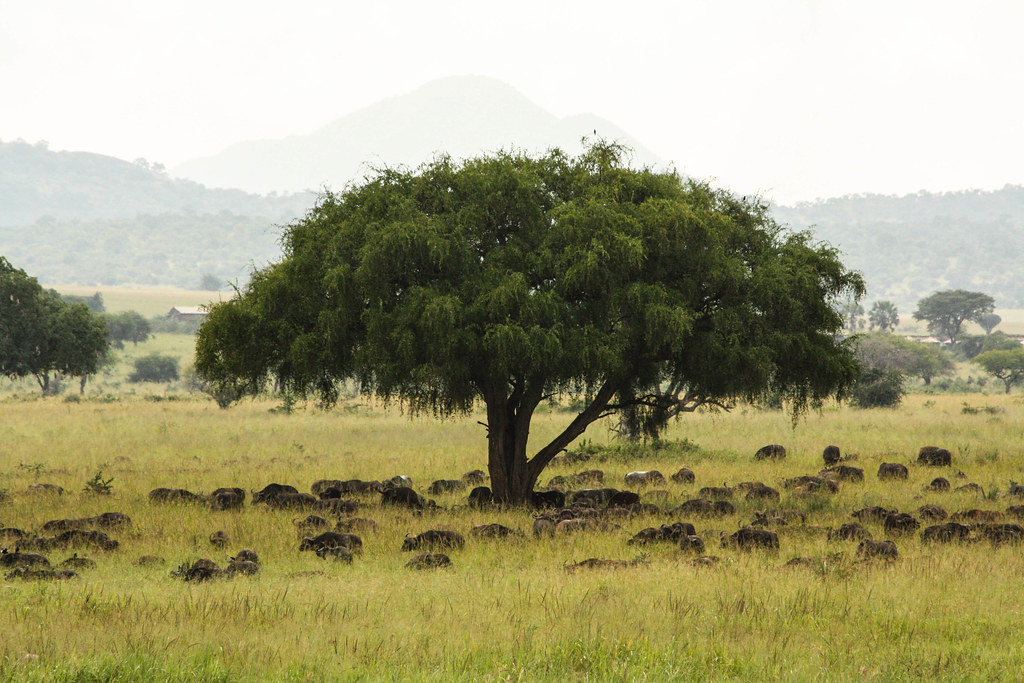
Kidepo’s terrain is a striking blend of open savannahs, rocky outcrops, hills, and river valleys, interspersed with acacia woodlands. Seasonal rivers like the Kidepo and Narus provide essential water sources that attract large herds of animals during the dry season, while the surrounding hills and mountains create dramatic vistas for photography and scenic appreciation. This combination of flat plains and elevated landscapes allows for excellent visibility during game drives and offers photographers a variety of compositions, from wide-angle savannah panoramas to intimate wildlife shots near watering holes.
Big Game and Predators
Kidepo Valley National Park is home to a remarkable diversity of mammals, including both predator and prey species. Safari-goers are likely to encounter:
-
Lions: The park supports healthy lion populations that are often seen resting under acacia trees or patrolling plains in prides. Morning and evening drives provide the best chances for observing hunting behaviors or social interactions within prides.
-
Leopards: More elusive than lions, leopards inhabit rocky outcrops and dense vegetation, requiring patient observation and expert guiding to locate.
-
Cheetahs: Kidepo is one of Uganda’s few parks where cheetah sightings are relatively frequent. Their graceful movements across the savannah make them a highlight for wildlife photographers.
-
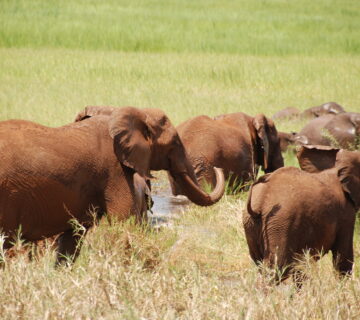
Elephants: Small herds of savannah elephants are regularly observed near riverbanks and valleys, often interacting socially or feeding in family groups.
-
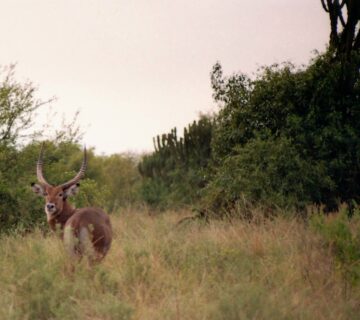
Buffalo and Antelopes: Cape buffalo herds, Uganda kob, hartebeest, oribi, and other antelope species graze across the plains, often attracting predators and providing dynamic predator-prey observation opportunities.
-
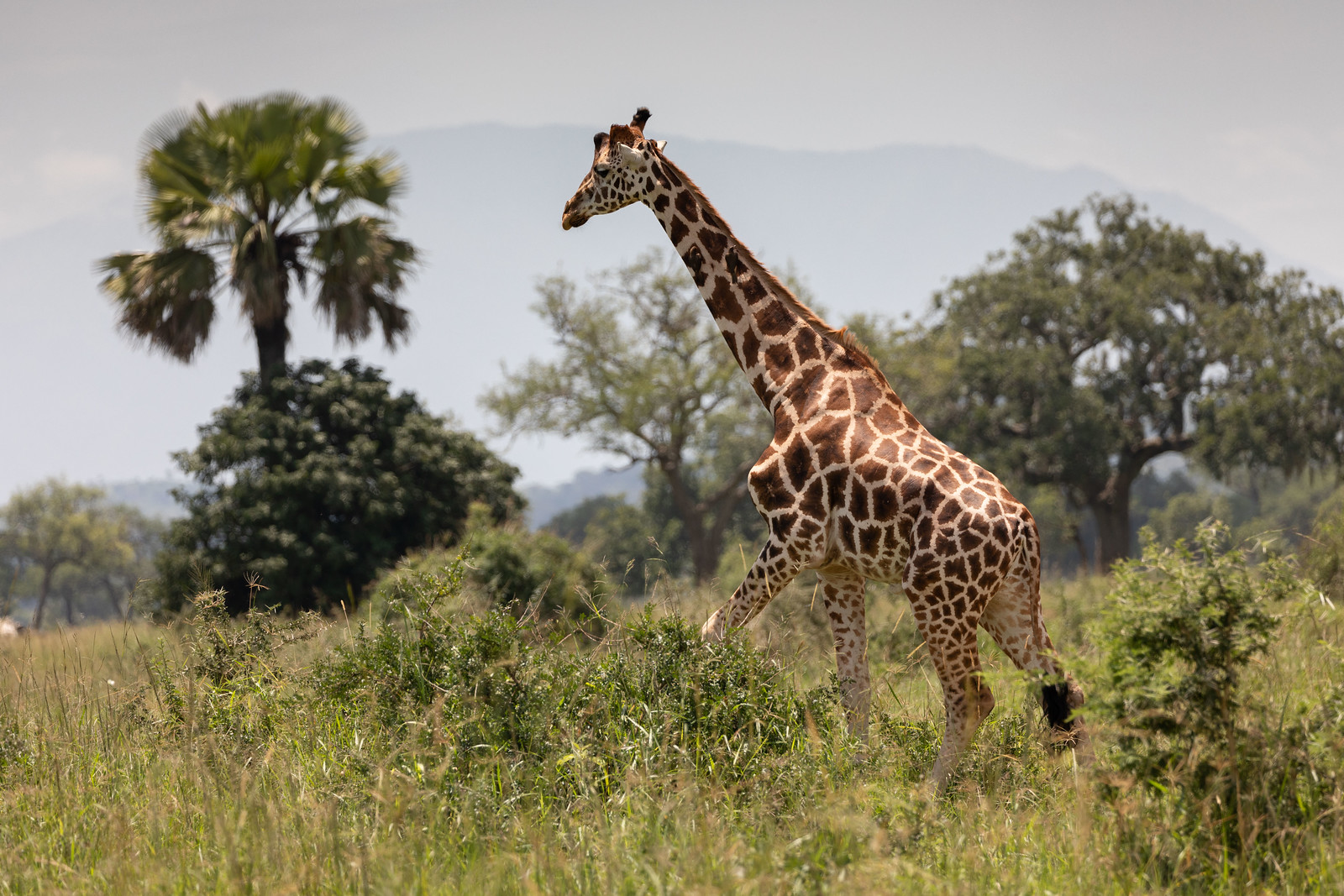
Other Mammals: Hyenas, warthogs, giraffes, and African wild dogs add richness and variety to wildlife sightings, creating a fully immersive safari environment.
The park’s sparse human population and low tourist traffic mean that wildlife is less habituated and more likely to exhibit natural behaviors, enhancing the authenticity of the safari experience.
Birdwatching Opportunities
Kidepo is a birdwatcher’s paradise, with over 470 recorded species, including resident and migratory birds. Key sightings include:
-
Raptors such as martial eagles, tawny eagles, and vultures soaring over savannah plains.
-
Ground birds like ostriches and francolins grazing on open fields.
-
Waterbirds along rivers, including herons, storks, and kingfishers, which are especially active during the wet season.
Birdwatching tours are most rewarding early in the morning, when birds are feeding and displaying territorial behaviors. Experienced guides assist with species identification and provide ecological context for avian observations.
Safari Activities in Kidepo
1. Game Drives: The primary way to explore KVNP is through guided 4×4 game drives. Drives are most productive in early mornings and late afternoons, when wildlife activity peaks. Guides use their knowledge of animal tracks, watering points, and seasonal movement patterns to optimize sightings of predators, herbivores, and rare species.
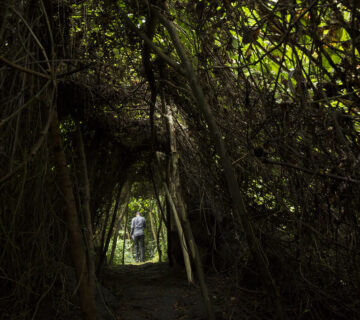
2. Walking Safaris: For a more immersive experience, armed rangers lead walking safaris in safe zones. Visitors learn to track animals on foot, study wildlife signs such as footprints and droppings, and explore smaller mammals, reptiles, and plant species often missed on vehicle safaris. Walking safaris also provide an intimate connection with the sounds, smells, and textures of the savannah.
3. Cultural Encounters: The Karamojong people live around Kidepo and maintain traditional pastoral lifestyles. Cultural tours allow visitors to learn about herding practices, traditional crafts, and the integration of local communities into conservation efforts, providing insight into the human-nature balance in the region.
4. Birdwatching Excursions: Specialized birding walks or drives focus on spotting endemic and migratory species, often complemented by photography opportunities. Guides offer detailed information about species identification, feeding habits, and breeding behaviors.
Seasonal Considerations
-
Dry Season (December–February, June–September): Animals gather around rivers and waterholes, making sightings more predictable. Roads and tracks are accessible, enabling exploration of remote areas.
-
Wet Season (March–May, October–November): Landscapes turn lush and green, creating stunning photographic backdrops. Wildlife is more dispersed but remains abundant near water sources. Wet season is also excellent for birdwatching, with migratory species present.
Accommodation Options
Accommodation in and around Kidepo caters to diverse preferences:
-
Luxury Lodges: Offer panoramic savannah views, private decks, fine dining, and guided safari packages, providing an immersive and comfortable wilderness experience.
-
Mid-Range Lodges and Tented Camps: Provide practical comfort, proximity to wildlife hotspots, and communal safari experiences.
-
Eco-Camps: Minimalist campsites allow travelers to experience the bush in its raw form while minimizing environmental impact.
Proximity to wildlife areas ensures early departures and maximizes viewing opportunities, especially for predators and rare species.
Conservation and Responsible Tourism
Kidepo Valley National Park is actively protected through anti-poaching measures, habitat preservation, and community engagement programs. Visitor activities are regulated to ensure minimal environmental impact, and park fees contribute directly to wildlife conservation and community development. Tourists are encouraged to follow park guidelines, maintain safe distances from animals, and support local conservation initiatives.
Why Wildlife Safaris in Kidepo Are Unforgettable
Kidepo Valley offers a true wilderness safari experience, combining remote landscapes, abundant predators, rare antelope species, and extraordinary birdlife. Its low tourist traffic, intact ecosystems, and dramatic scenery provide authentic, intimate, and highly rewarding wildlife encounters. For adventure travelers, wildlife photographers, and those seeking Africa off the beaten path, Kidepo represents one of Uganda’s most compelling safari destinations.