Wildlife Photography Safari Tours in Uganda: Capturing Nature’s Majesty
The Art of Capturing Uganda’s Wildlife
Uganda, often called the “Pearl of Africa,” offers photographers an extraordinary canvas of wildlife, landscapes, and vibrant ecosystems. From the dense forests of Bwindi and Kibale to the sprawling savannahs of Queen Elizabeth and Murchison Falls, the country provides endless opportunities for wildlife photography. Specialized safari tours cater to both amateur and professional photographers, combining expertly guided wildlife experiences with tips and techniques for capturing unforgettable images of Africa’s iconic species.
Choosing the Right Parks for Photography
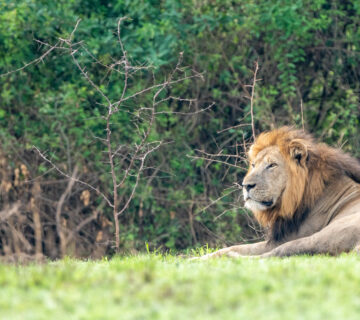
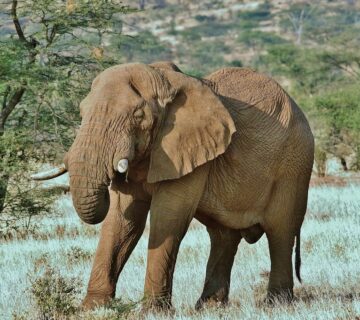
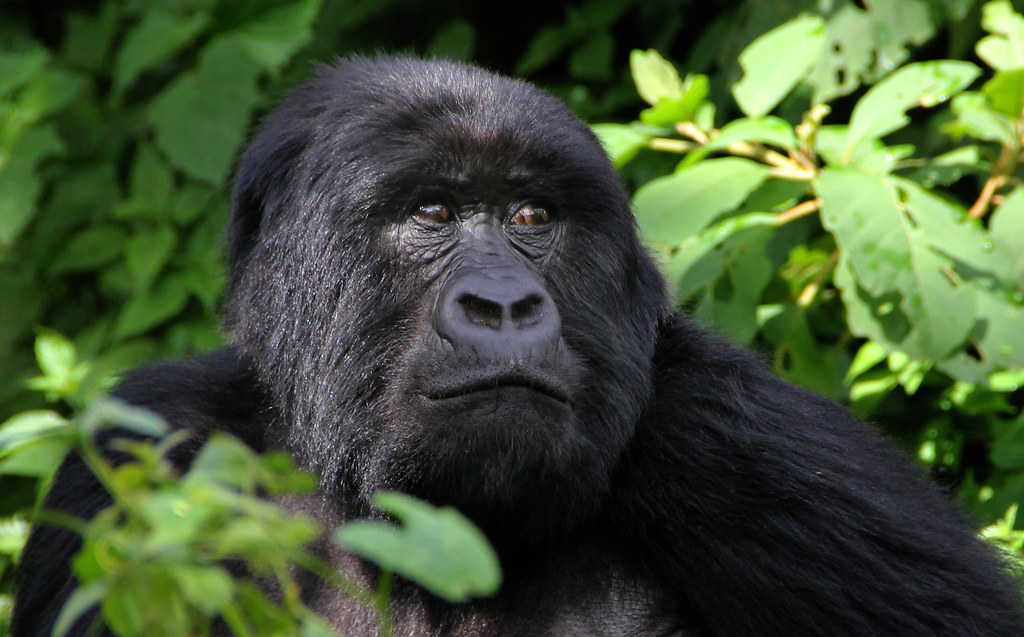
The choice of parks is critical for a successful photography safari. Bwindi Impenetrable Forest offers close encounters with mountain gorillas, while Kibale Forest is ideal for chimpanzee photography. For open landscapes and big game photography, Queen Elizabeth National Park and Murchison Falls National Park provide excellent visibility of lions, elephants, buffalo, hippos, and Uganda kob. Each park offers unique photographic opportunities, from intimate close-ups in forest habitats to sweeping savannah panoramas.
Tailored Wildlife Photography Tours
Wildlife photography safaris in Uganda are often tailored to the needs of photographers. Tours focus on:
-
Optimal timing: Early morning and late afternoon provide the best light for photography.
-
Extended game drives: Extra time is allocated at prime wildlife locations for careful composition and capturing behavior.
-
Private or small-group experiences: Minimizes disturbance to wildlife and allows photographers to work without rush.
-
Specialized guidance: Expert guides assist with positioning, anticipating animal behavior, and ensuring safety while photographing.
This tailored approach ensures that photographers can focus on their craft while experiencing the full richness of Uganda’s wildlife.
Essential Photography Tips for Safari
Successful wildlife photography in Uganda requires careful planning and preparation. Key tips include:
-
Equipment: Bring telephoto lenses (300mm or more) for big game, wide-angle lenses for landscapes, and macro lenses for insects and birds.
-
Camera settings: Fast shutter speeds help capture moving animals, while adjusting ISO and aperture according to light conditions ensures sharp, vivid images.
-
Composition: Pay attention to natural framing, the rule of thirds, and foreground elements to enhance depth.
-
Patience: Wildlife behavior is unpredictable, so patience and observation are crucial for capturing authentic moments.
-
Ethical photography: Respect wildlife by maintaining safe distances, avoiding sudden movements, and minimizing stress on animals.
By combining technical knowledge with field experience, photographers can maximize their safari captures.
Combining Big Game and Primate Photography
Uganda offers the rare opportunity to photograph both large savannah wildlife and primates. In Bwindi and Mgahinga, capturing the expressive faces and social interactions of gorillas and monkeys requires controlled lighting and sensitivity to movement. In contrast, open savannahs in Queen Elizabeth allow for dramatic shots of lions, elephants, and herds of antelopes against stunning landscapes. Wildlife photography tours in Uganda are designed to balance these diverse experiences for a complete portfolio of African wildlife.

Bird and Landscape Photography
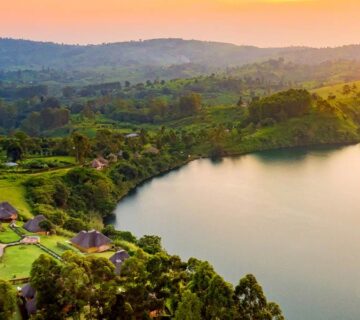
Uganda is home to over 1,000 bird species, making bird photography a rewarding part of safari tours. Wetlands, rivers, and forests provide excellent habitats for both resident and migratory birds. Additionally, landscape photography opportunities abound, from the Kazinga Channel to the waterfalls of Murchison Falls, and the misty peaks of Bwindi. Combining wildlife and landscape photography creates a comprehensive visual narrative of Uganda’s natural beauty.
Choosing the Right Lodges for Photographers
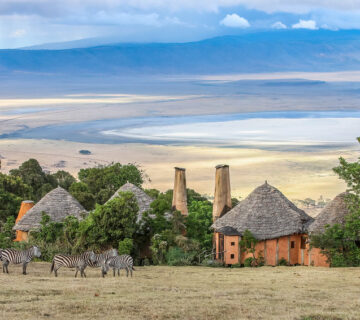
Accommodation can enhance the photography experience. Many lodges are strategically located near wildlife corridors, riverbanks, or forest edges, allowing photographers to capture animals from the comfort of their lodge. Some lodges offer hides, observation decks, and early morning or late evening photographic excursions. Choosing lodges with photographic access and flexible schedules ensures that every moment can be captured without compromising comfort.
Seasonal Considerations
The timing of a photography safari affects lighting, wildlife behavior, and visibility. Dry seasons (December–February, June–August) allow easier access to wildlife concentrated around water sources, creating excellent photo opportunities. Wet seasons (March–May, September–November) offer lush green landscapes, dramatic skies, and prolific birdlife. Planning tours according to seasonal variations helps photographers capture Uganda in its most photogenic states.
Conservation and Ethical Photography
Wildlife photography in Uganda is also an opportunity to support conservation. Ethical photographers respect animal behavior, avoid disturbing habitats, and often contribute to conservation awareness by documenting wildlife. Many photography safari operators integrate conservation education into the tours, highlighting the importance of preserving habitats, protecting endangered species, and supporting local communities.
Crafting Unforgettable Visual Stories
Wildlife photography safari tours in Uganda offer an unparalleled blend of adventure, creativity, and education. From intimate primate encounters in Bwindi to dramatic big game shots in Queen Elizabeth, photographers can capture the essence of Africa’s wilderness in a diverse range of habitats. By combining technical skills, patience, and ethical practices, photographers not only create stunning images but also deepen their appreciation for Uganda’s incredible biodiversity.