
Wildlife Education Activities for Kids on Safari: Engaging Young Minds in Uganda
Learning Amidst Nature’s Wonders
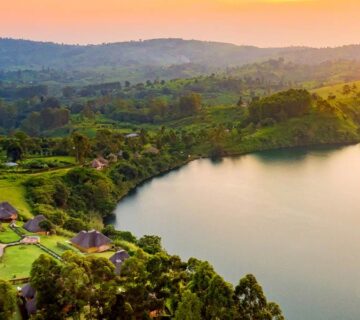
A safari in Uganda offers more than the thrill of seeing wildlife—it is a living classroom. For children, witnessing elephants at a watering hole, tracking footprints of lions, or hearing the calls of exotic birds can ignite curiosity and a lifelong passion for the natural world. Wildlife education activities on safari combine fun with learning, allowing kids to understand ecological relationships, conservation issues, and the importance of protecting endangered species. Uganda’s diverse ecosystems—from Bwindi’s misty forests to Queen Elizabeth’s sprawling savannahs—provide the perfect environment for immersive, hands-on learning experiences.
Guided Wildlife Walks: Observation and Discovery
Guided wildlife walks are ideal for children to explore nature safely while learning to observe details about flora and fauna. In parks like Bwindi Impenetrable Forest and Kibale Forest, experienced guides lead families through shaded trails, pointing out animal tracks, nests, insects, and plants. Children learn how to identify signs of wildlife presence—such as broken branches, paw prints, or feeding marks—and understand predator-prey dynamics in a way that is interactive and age-appropriate. Activities often include nature scavenger hunts, leaf identification games, and story-based explanations of forest ecosystems, keeping kids engaged and attentive.
Gorilla and Primate Awareness
Bwindi and Kibale forests are home to mountain gorillas and diverse primate species. While direct gorilla trekking may have age or fitness restrictions, children can still participate in enriching educational experiences. Lodges and guided programs often offer interactive talks, video documentaries, and safe viewing areas where children can observe habituated monkeys or chimpanzees. Guides explain primate social structures, communication methods, and feeding habits, helping children understand the delicate balance of forest ecosystems and the critical importance of conservation.
Big Game Learning Adventures
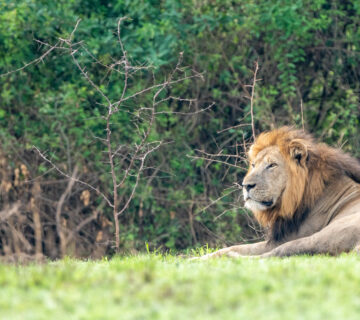
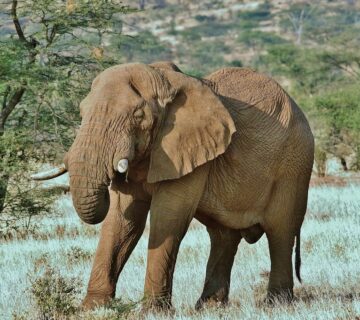
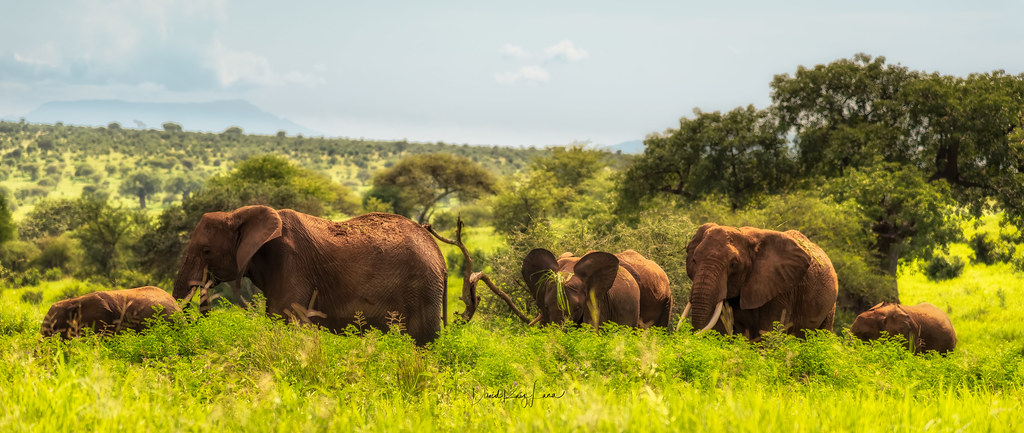
Queen Elizabeth, Murchison Falls, and Kidepo Valley National Parks provide excellent opportunities for children to learn about Africa’s iconic big game species. During game drives, guides teach kids to identify animals using physical characteristics, behaviors, and tracks. Children can participate in wildlife quizzes, spot-and-record exercises, or photography challenges that enhance observation and critical thinking skills. For example, learning how to differentiate between lions and leopards, or understanding elephant social hierarchies, becomes both educational and memorable. These activities give kids hands-on experience in wildlife monitoring and ecology.
Birdwatching and Ecological Lessons
Uganda is home to over 1,000 bird species, making birdwatching a fascinating educational activity for children. Guides help children spot birds, recognize their calls, and understand their ecological roles, such as pollination, seed dispersal, and insect control. Activities may include interactive bird-spotting games, drawing exercises, or journaling observations, teaching patience, attention to detail, and ecological literacy. Learning about birds helps children appreciate biodiversity beyond the “big five,” highlighting the complexity and interdependence of ecosystems.
Conservation Workshops and Community Engagement
Many lodges and safari operators integrate conservation workshops designed for children. Kids can learn about anti-poaching efforts, forest restoration projects, and wildlife monitoring techniques through hands-on activities. Visits to local communities provide lessons on sustainable living, traditional conservation practices, and human-wildlife coexistence. These programs instill responsibility, empathy, and an understanding of global environmental issues. Activities such as planting trees, building birdhouses, or participating in clean-up drives make conservation tangible and fun.
Nature Journaling and Creative Expression
Nature journaling encourages children to document wildlife sightings, sketch plants and animals, or write short observations about their experiences. Some lodges provide journals, colored pencils, and field guides to make the activity engaging. By sketching a gorilla family, recording a hippo sighting, or mapping bird observations, children enhance memory retention and deepen their understanding of ecosystems. This creative practice promotes critical thinking, patience, and artistic expression, while reinforcing scientific observation skills.
Photography and Digital Learning
Photography is a powerful tool for combining education and creativity. Children can use cameras or smartphones under guided supervision to capture wildlife, landscapes, or behavioral patterns. Guides teach basic photography skills along with wildlife ethics, emphasizing observation without disturbance. Photography projects can be linked to learning exercises, such as compiling a “wildlife diary” or creating a family photo-based ecology book, turning visual documentation into a learning experience that complements real-world observation.
Interactive Games and Storytelling
Safari-based games and storytelling enhance learning in a playful manner. Activities may include role-playing as trackers, mimicking animal movements, or participating in trivia competitions about African wildlife. Guides often weave local folklore or conservation stories into the narrative, helping children connect culturally and emotionally to the animals and their habitats. These activities teach problem-solving, teamwork, and ecological awareness while keeping children engaged and entertained.
Seasonal and Habitat-Specific Learning
Wildlife education can be tailored according to season and habitat. In the dry season, children can observe animals concentrated around water sources, study predator-prey interactions, and understand behavioral adaptations. During the wet season, kids can explore lush forests, study plant life cycles, and monitor breeding or migratory patterns. Activities may also differ based on habitat: savannah-based exercises emphasize large mammal behavior, while forest-based learning focuses on primates, birds, and insect ecology. This approach ensures a rich, varied, and context-sensitive educational experience.
Nurturing a New Generation of Conservationists
Wildlife education activities on safari combine adventure, learning, and family bonding. Uganda’s diverse ecosystems provide children with opportunities to explore, observe, and understand the natural world in ways that classrooms cannot replicate. From guided walks and gorilla awareness to big game tracking, birdwatching, photography, and conservation workshops, these activities teach children ecological literacy, responsibility, and empathy. By engaging young minds in interactive and memorable ways, safari experiences inspire a lifelong appreciation for wildlife and conservation, fostering the next generation of environmental stewards.