Wildlife Conservation Projects to Visit in Uganda: Supporting Nature While Traveling
Uganda is not only a destination for breathtaking wildlife and safaris but also a hub for wildlife conservation initiatives. Visiting these projects allows travelers to contribute to the protection of endangered species, learn about conservation efforts, and experience hands-on encounters with Uganda’s unique flora and fauna. These sites often combine education, community involvement, and immersive wildlife experiences, making them ideal for eco-conscious travelers.
Ziwa Rhino Sanctuary
Located in Nakasongola District, Ziwa Rhino Sanctuary is the only place in Uganda where tourists can track white rhinos on foot. The sanctuary is dedicated to restoring the rhino population, providing a safe habitat and breeding program for this endangered species. Visitors can participate in guided walking safaris, observe rhinos in their natural habitat, and learn about anti-poaching efforts. The sanctuary also supports local communities through eco-tourism initiatives.
Ngamba Island Chimpanzee Sanctuary
Situated on Lake Victoria, Ngamba Island is a haven for rescued chimpanzees. Visitors can observe chimpanzees during feeding and enrichment sessions, and learn about rehabilitation and conservation programs. The sanctuary emphasizes education about human-wildlife coexistence and offers guided tours that explain the plight of endangered primates in Uganda and across Africa.
Uganda Wildlife Conservation Education Centre (UWEC)
Also known as Entebbe Zoo, UWEC is more than a traditional zoo; it focuses on education, research, and conservation awareness. Tourists can see native species such as lions, crocodiles, and primates, and participate in programs that teach about endangered species, habitat protection, and wildlife research initiatives. UWEC is particularly family-friendly, offering interactive and educational experiences for children and adults.
Bwindi Impenetrable Forest Conservation Projects
In Bwindi, local conservation projects focus on protecting mountain gorillas and their habitats. Several community-based initiatives allow tourists to contribute to conservation while engaging with local communities. Visitors can participate in tree-planting programs, guided nature walks, and educational tours that highlight gorilla ecology, anti-poaching strategies, and sustainable tourism practices.
Mabamba Swamp and Bird Conservation
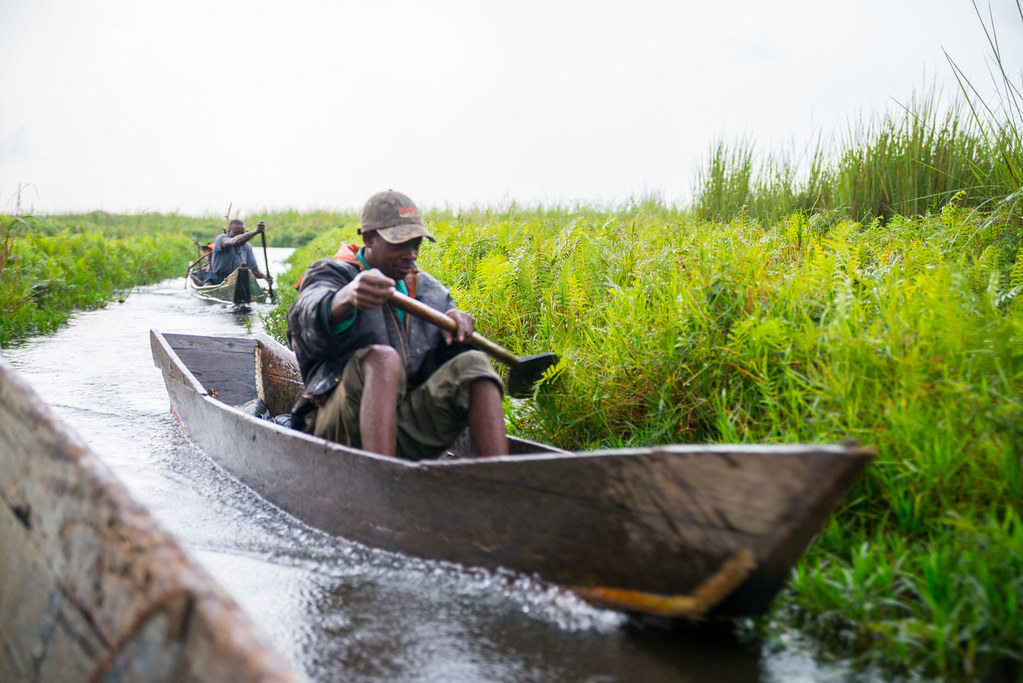
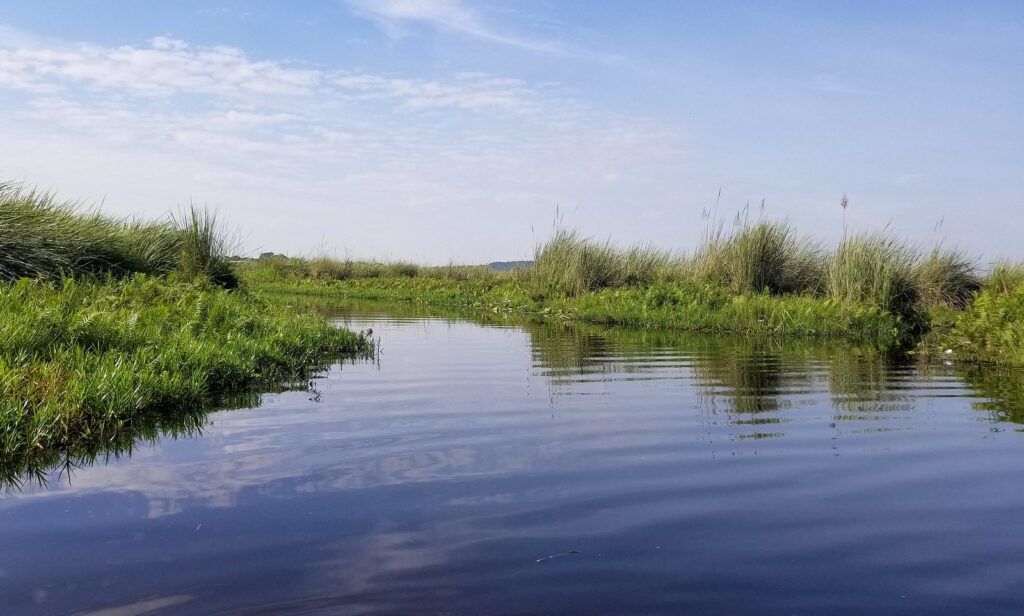
Mabamba Swamp, near Entebbe, is a critical wetland for bird conservation, especially for the rare shoebill stork. Guided boat tours provide birdwatching opportunities and insights into wetland conservation, local ecology, and the importance of protecting these fragile habitats. Conservation fees support ongoing habitat protection and community education programs.
Practical Tips for Visiting Wildlife Conservation Projects
-
Book in advance: Many sanctuaries and projects have limited daily visitor numbers.
-
Follow guidelines: Respect the animals and staff instructions to ensure safety and minimize disturbance.
-
Support local initiatives: Consider donating, purchasing souvenirs, or participating in volunteer programs.
-
Bring appropriate gear: Binoculars, cameras, and sturdy walking shoes enhance your experience.
-
Time your visit: Early mornings and late afternoons are best for wildlife activity and photography.
Ethical Tourism in Uganda
Visiting wildlife conservation projects in Uganda allows travelers to combine adventure with meaningful contributions to environmental protection. From tracking rhinos at Ziwa to observing chimpanzees on Ngamba Island, each experience provides insight into Uganda’s rich biodiversity and ongoing efforts to safeguard it. These visits not only create unforgettable memories but also help ensure the survival of endangered species for future generations.