Why Waterhole Views Elevate a Safari Experience
In African savannah ecosystems, waterholes are natural magnets for wildlife. These permanent or seasonal watering sites concentrate animals throughout the day, drawing elephants, buffalo, antelope, lions, and an array of bird species. For safari guests, lodges positioned with direct views over waterholes transform passive accommodation into a front‑row seat for wildlife observation. Rather than waiting for game drives to deliver sightings, guests can watch animals move, interact, and drink from the comfort of dining areas, terraces, or private verandas. The changing light at dawn and dusk enhances these moments, turning ordinary encounters into vivid photographic opportunities.
Waterhole Views in Murchison Falls National Park
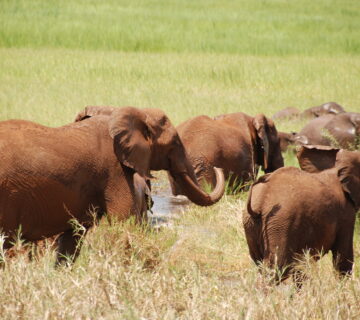
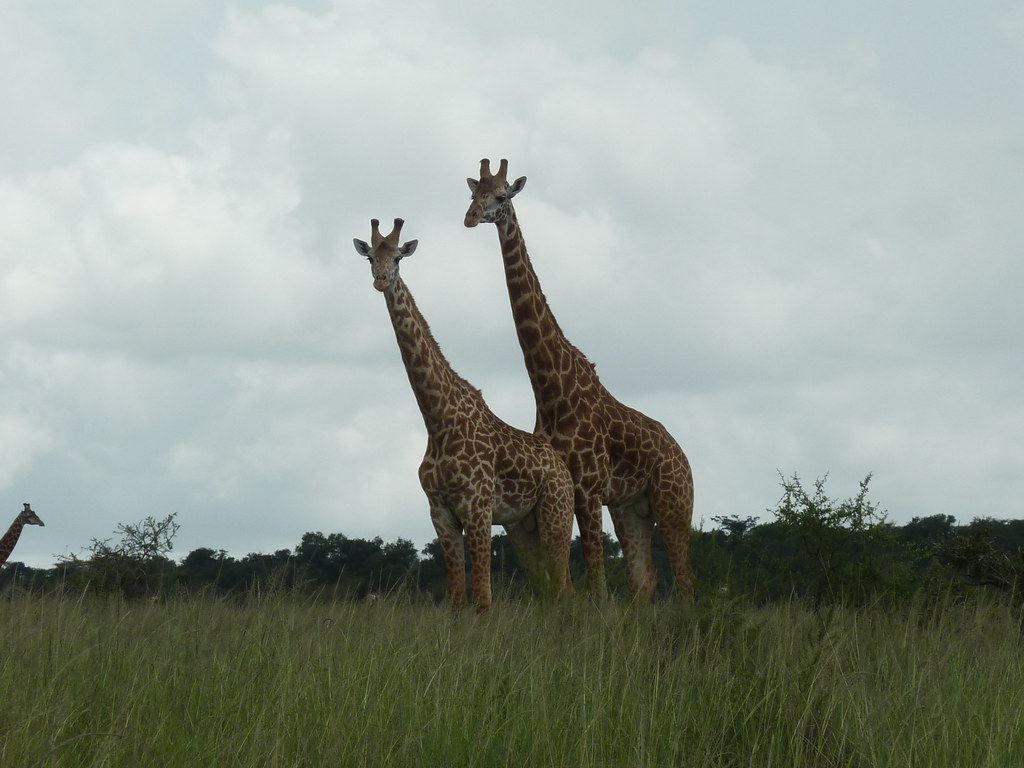
Murchison Falls National Park is one of Uganda’s most iconic wildlife destinations, and several lodges here leverage waterhole locations to maximize game viewing directly from camp. The park’s mosaic of savannah, riverine forest, and grassland supports abundant wildlife that visits both natural pans and man‑made water sources, especially during the dry season. From strategic vantage points above these watering sites, guests can witness elephants bathing, giraffes quenching thirsts, and predators patrolling the edges of the water as prey converge.
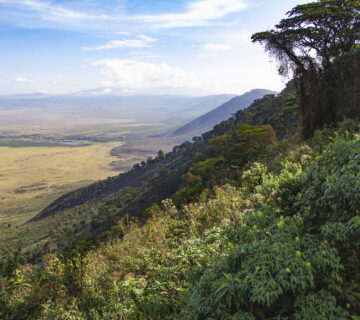
One of the defining features of waterhole‑facing lodges in Murchison Falls is the unobstructed sightlines across flat plains. These vistas afford dramatic sunrise and sunset views that double as photographic backdrops. Many lodges orient common spaces and guest rooms toward the waterholes, inviting guests to linger with binoculars or cameras ready. Nighttime often brings additional spectacle, with nocturnal visits by hippos and occasionally leopard, allowing for day‑to‑night continuity of wildlife experiences without leaving the lodge grounds.
Queen Elizabeth National Park’s Kazinga Channel and Waterhole Perspectives
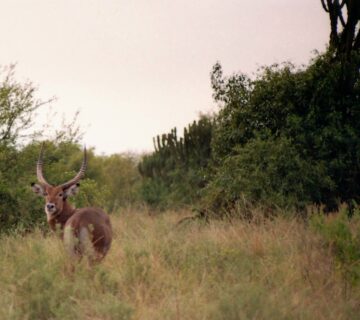
Queen Elizabeth National Park’s Kazinga Channel creates a natural corridor between Lake Edward and Lake George, and while it is itself a waterway, the landscape also contains several key waterholes that act as focal points for animal movement. Lodges with views over these sites provide an immersive perspective on the rhythms of park life. Waterhole sightings here can encompass a broad range of species from elephants and cape buffalo to waterbuck and warthogs, all converging at reliable hydration points.
Accommodation that overlooks these waterholes often integrates shaded verandas and elevated decks where guests can settle into long, uninterrupted periods of wildlife watching. The reflective surfaces of the waterhole and surrounding grassland capture rich colours and light, particularly in early morning when mist may hover over the surface. These atmospheric conditions make Queen Elizabeth’s waterhole lodges especially rewarding for photographers seeking evocative images with soft shadows and layered landscapes.
Lake Mburo National Park’s Intimate Waterhole Encounters
Smaller parks can produce intensely personal wildlife encounters, and Lake Mburo National Park exemplifies this dynamic. Its network of wetlands, pans, and seasonal waterholes attract a range of species in close proximity to camp. Lodges set near these water sources provide intimate wildlife theatre from vantage points that are close enough to feel part of the scene, yet positioned for comfort and serenity. Hippos and waterbirds are especially prominent here, with the added possibility of zebras, impala, and eland arriving to drink in fringed grasslands.
At dusk, waterholes in Lake Mburo take on a different energy as animals gather before nightfall. The shifting light and quiet intensity of these gatherings offer a contrasting experience to the open plains of larger parks, making Lake Mburo’s waterhole lodges appealing for those who value both close‑range observation and tranquil settings. Guests often describe these views as immersive, with the rhythm of wildlife movements shaping the pace of each day.
Kidepo Valley National Park’s Vast Plains and Sparse Waterholes
In the remote Kidepo Valley, water is scarcer, and where it exists it becomes an extraordinary draw for wildlife. The park’s rugged plains and rocky kopjes frame the few dependable waterholes, creating powerful panoramic vistas that juxtapose open sky with concentrated wildlife activity. Lodges positioned near these water sources capitalize on this dynamic, placing guests where natural drama unfolds as animals arrive in sequences shaped by the harsh landscape.
Photographers and keen observers find these waterholes compelling because animal behaviour is often more visible against sparse backgrounds, with minimal vegetation to obscure subjects. The shifting light across open horizons accentuates silhouettes and textures, yielding striking compositions that reflect the intensity of life in arid African terrain. Staying at a lodge with waterhole views in Kidepo rewards patience and attentiveness, as moments of arrival and departure unfold like scenes in a continuous wildlife narrative.
Seasonal Dynamics and Waterhole Activity
Across Uganda’s safari regions, seasonal rainfall patterns influence how wildlife uses waterholes. During the dry season, water sources contract and animals concentrate around the remaining waterholes with greater predictability. This convergence increases the frequency and diversity of sightings, making waterhole‑facing lodges particularly active during these months. In contrast, the wet season disperses water across the landscape, which can reduce waterhole pressure but enrich environments with lush vegetation and migratory bird presence. For photographers and naturalists, both seasonal contexts offer unique opportunities: concentrated animal gatherings in dry months and vibrant, verdant scenes with dynamic light in the green season.
How Waterhole Views Enhance Wildlife Photography
Lodges with waterhole views simplify the logistics of capturing compelling wildlife images. Instead of relying solely on game drives, guests can position themselves at fixed vantage points and wait for natural animal behaviour to emerge. The proximity of subjects, combined with consistent lighting conditions around water sources, facilitates better control over depth of field, shutter speed, and framing. Water reflections provide additional compositional elements, while the behaviour of animals at waterholes often reveals social interactions and dynamics that enrich photographic storytelling.
Choosing the Right Waterhole Lodge for Your Safari Goals
Selecting a lodge with waterhole views should align with your priorities as a traveler or photographer. Consider the type of wildlife you most want to observe, the lighting conditions you prefer for photography, and how much time you wish to spend within lodge confines versus on game drives or boat safaris. Lodges in Murchison Falls and Queen Elizabeth are ideal for broad species diversity and dramatic plains scenery, while Lake Mburo offers more intimate, water’s‑edge encounters. Kidepo’s remote waterholes appeal to those seeking expansive landscapes and powerful visuals framed by rugged terrain.
Waterhole Views as a Gateway to Wildlife Immersion
Safari lodges with views of wildlife waterholes in Uganda provide an immersive encounter with nature’s rhythms. From the savannah plains of Murchison Falls to the wetlands of Lake Mburo and the remote valleys of Kidepo, waterhole lodges place you at the heart of animal activity. Whether your intent is relaxed wildlife watching, intense photography, or simply absorbing the pulse of the bush from dawn to dusk, these lodges turn waterholes into living galleries of African wildlife behaviour and photographic opportunity.