Why Uganda Is Called the Pearl of Africa
The Meaning Behind a Timeless Name
Uganda’s nickname, “the Pearl of Africa,” is more than a poetic expression. It reflects the country’s extraordinary natural beauty, ecological diversity, cultural richness, and welcoming spirit. The phrase was popularized in the early 20th century by Winston Churchill, who described Uganda as possessing remarkable scenery and abundance unlike anywhere else on the continent. Today, the title remains just as relevant. From snow-capped mountains and dense rainforests to vast savannahs, lakes, and vibrant cultures, Uganda offers a rare concentration of Africa’s most prized features within one destination.
Exceptional Landscape Diversity in One Country
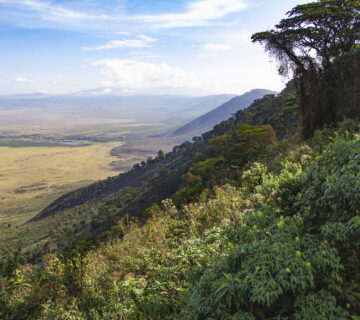
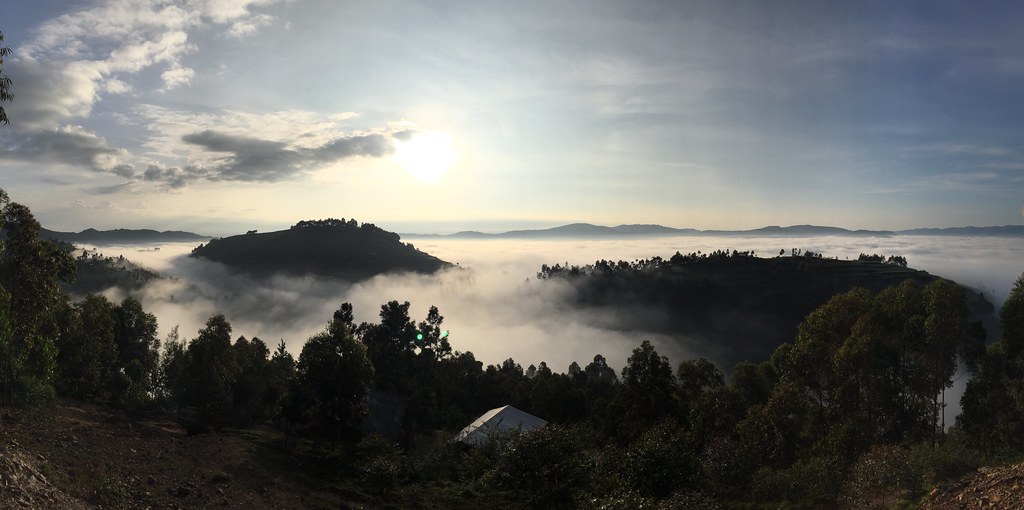
One of the main reasons Uganda is called the Pearl of Africa is its unmatched geographical diversity. Within a relatively small area, the country hosts dramatically different landscapes that would normally require travel across several African nations. Uganda features rolling savannahs teeming with wildlife, thick tropical rainforests sheltering endangered primates, fertile farmlands, volcanic mountains, crater lakes, and snow-capped peaks in the Rwenzori Mountains. This diversity creates constantly changing scenery that leaves travelers amazed by how quickly the environment transforms from one region to another.
Home to Rare and Iconic Wildlife
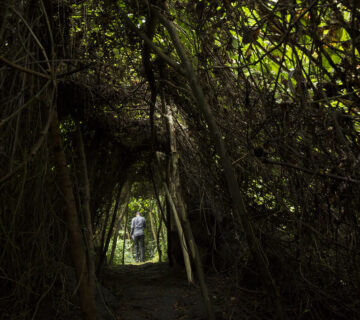
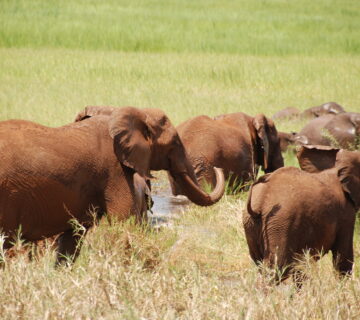
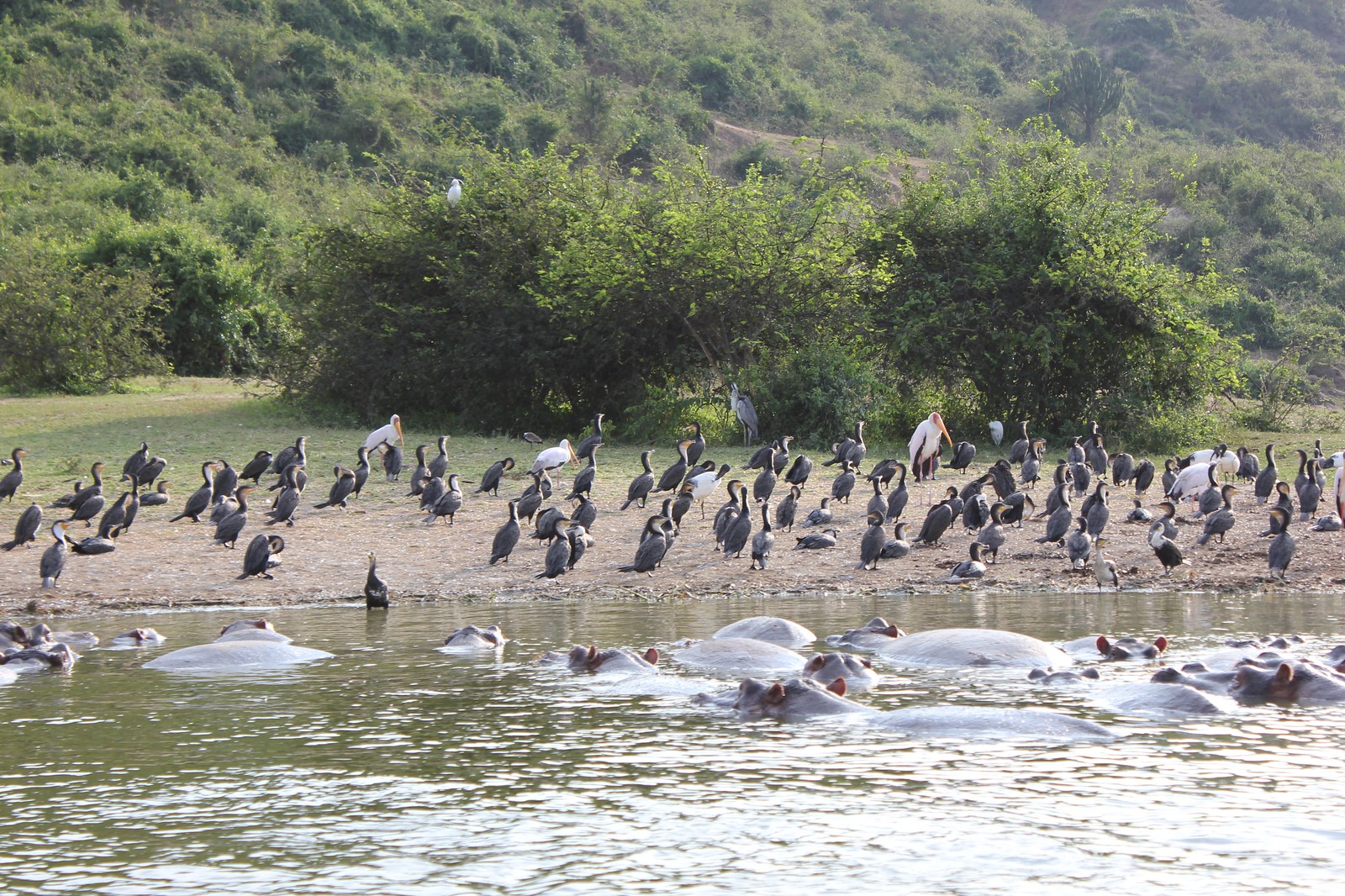
Uganda’s wildlife richness strongly supports its pearl-like status. The country is one of the few places in the world where travelers can encounter mountain gorillas in their natural habitat, particularly in Bwindi Impenetrable and Mgahinga Gorilla National Parks. Beyond gorillas, Uganda is a prime destination for chimpanzee trekking, classic big game safaris, and birdwatching. Elephants, lions, buffalo, giraffes, hippos, crocodiles, and countless antelope species roam its national parks, while over a thousand bird species make Uganda one of Africa’s top birding destinations. This combination of forest and savannah wildlife in one country is rare and highly valued.
The Nile River and Abundant Freshwater Wonders
Uganda’s natural wealth is further enhanced by its abundance of freshwater systems. The country is the source of the River Nile, one of the world’s longest and most historically significant rivers. Lake Victoria, Africa’s largest freshwater lake, dominates the southern region and supports fishing communities, birdlife, and scenic islands. Other lakes, such as Lake Bunyonyi, Lake Mutanda, and Lake Albert, add to Uganda’s breathtaking water landscapes. Rivers, waterfalls, wetlands, and lakes not only enhance scenery but also sustain wildlife and local livelihoods, reinforcing Uganda’s image as a fertile and life-rich land.
Fertile Land and Lush Vegetation
Uganda’s climate and soils contribute significantly to its beauty and productivity. The country enjoys relatively stable weather patterns, with regular rainfall that supports lush vegetation year-round. Rolling green hills, banana plantations, tea estates, and fertile valleys dominate much of the countryside. This greenery, combined with colorful flowers and forest canopies, creates a sense of abundance and vitality that impressed early explorers and continues to enchant visitors today. The fertile land supports both wildlife habitats and agricultural communities, creating a harmonious relationship between nature and people.
Rich Cultural Diversity and Living Traditions
Beyond its landscapes and wildlife, Uganda’s cultural richness is another reason it is called the Pearl of Africa. The country is home to numerous ethnic groups, each with distinct languages, traditions, music, and dance. Cultural experiences across Uganda reveal a strong connection between people and their land, whether in fishing communities along lakes, pastoral societies in the northeast, or agricultural villages in the central and western regions. Traditional ceremonies, storytelling, crafts, and cuisine add depth to the travel experience, making Uganda not only visually beautiful but culturally vibrant and alive.
Warm and Welcoming People
Uganda’s people are often cited as one of its greatest treasures. Visitors consistently describe Ugandans as friendly, hospitable, and eager to share their culture and stories. This warmth creates a sense of safety and belonging that enhances every journey. The genuine smiles, helpful attitudes, and openness of local communities leave lasting impressions on travelers and reinforce the idea that Uganda’s true value lies not only in its landscapes but also in its human connections.
A Destination of Authentic and Untouched Experiences
Unlike some heavily commercialized destinations, Uganda still offers authentic and relatively untouched travel experiences. Many of its national parks, cultural sites, and rural landscapes retain a sense of wilderness and originality. Safari experiences feel intimate rather than crowded, cultural encounters are genuine, and natural environments remain largely unspoiled. This authenticity is a key reason why Uganda continues to be regarded as a precious gem rather than a mass tourism destination.
Conclusion: A Name That Truly Fits
Uganda is called the Pearl of Africa because it embodies rare beauty, richness, and diversity in one destination. Its landscapes range from misty rainforests to sunlit savannahs, its wildlife includes some of the world’s most endangered and iconic species, its rivers and lakes sustain life and beauty, and its cultures bring depth and meaning to every visit. Combined with the warmth of its people and the authenticity of its experiences, Uganda shines as a true pearl on the African continent. For travelers seeking nature, wildlife, culture, and genuine connection, the name is not just a title—it is a promise fulfilled.