Why Uganda Is a Premier Photography Safari Destination
Uganda’s remarkable biodiversity and contrasting landscapes make it one of Africa’s most compelling photography safari destinations. From the misty volcanic mountains where mountain gorillas dwell to the shimmering waters of the Kazinga Channel teeming with hippos and birdlife, photographers have access to incredibly varied subjects within relatively short travel distances. Uganda’s game drives, boat safaris, and guided walking tours offer multiple formats for capturing wildlife behaviour, dramatic light, and vivid environmental context. For photographers seeking both diversity and accessibility, selecting the right lodge is essential because location, access, lighting conditions, and guide expertise directly influence the quality of your images.
Bwindi Impenetrable Forest Region: Close Encounters with Gorillas and Forest Wildlife
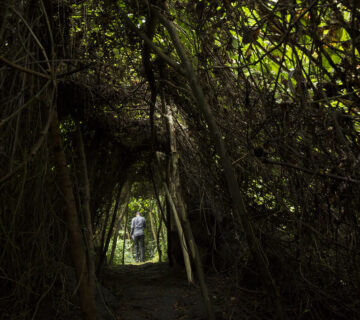
In the southwestern corner of Uganda, the Bwindi Impenetrable Forest is a top choice for photographers focused on rare primates and rich biodiversity. Lodges positioned near the forest edges provide early access and return time, crucial for dramatic morning and evening light. Staying inside or near the national park reduces travel time, which means photographers spend more time with subjects and less time on bumpy roads.
Sanctuary Gorilla Forest Camp is one of the most photography‑focused options. Elevated tents with forest views put you close to the gorilla trekking start points while offering sublime opportunities for forest and bird photography from your own terrace. Guest experiences emphasize flexibility, with guides who understand light and composition, helping photographers anticipate moments during treks and in camp.
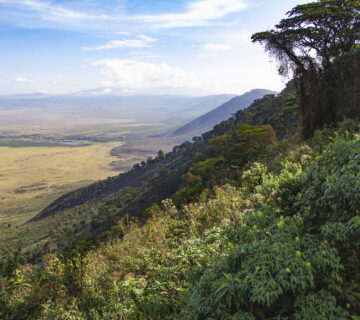
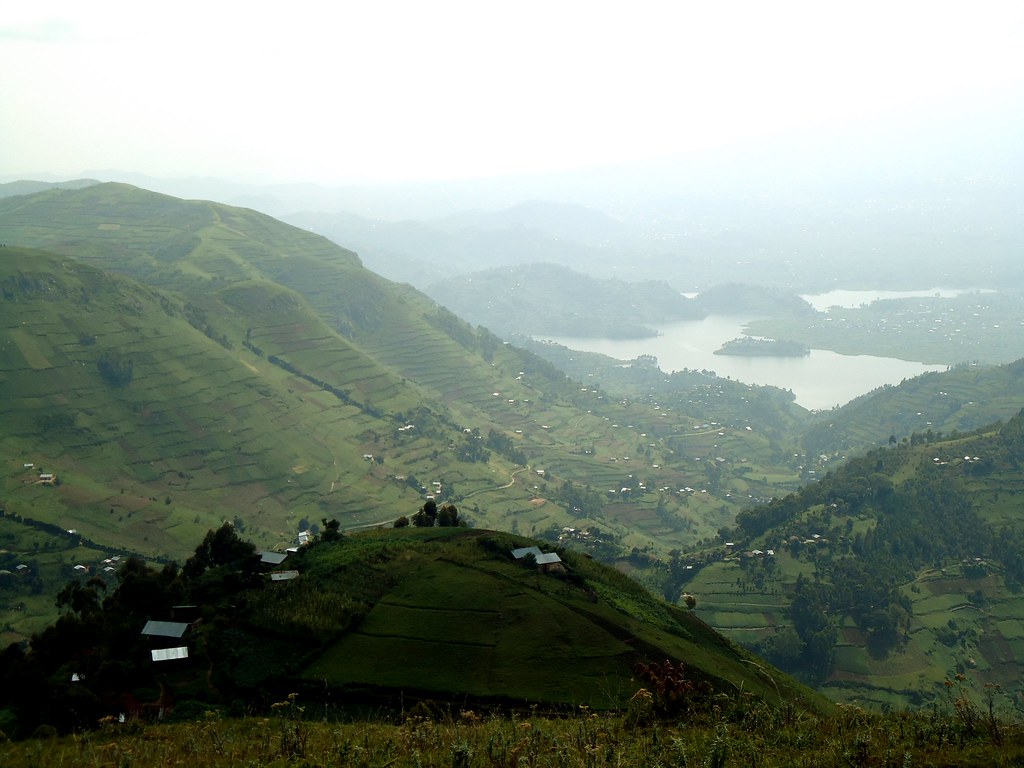
Another standout is Clouds Mountain Gorilla Lodge. Its hilltop position presents sweeping views across the forest canopy. Photographers benefit from expansive landscapes at sunrise and sunset, when valleys and clouds create atmospheric effects. Although gorilla treks occur with all lodges, choosing a high vantage position at camp yields additional landscape and birding shots without needing long hikes.
Queen Elizabeth National Park: Diverse Wildlife Along the Kazinga Channel
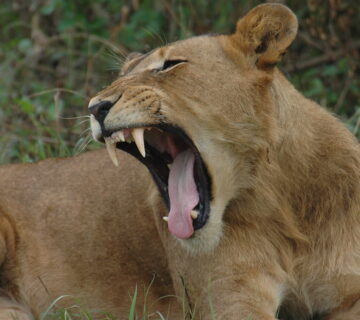
Queen Elizabeth National Park is famed for its large mammal populations, elephants, lions, leopards, hippos, and a phenomenal array of birdlife. For photographers dedicated to big game and close‑up wildlife, lodges near the Kazinga Channel are ideal, as boat safaris deliver unparalleled access to water mammals and waterbirds in the forgiving light of early morning and late afternoon.
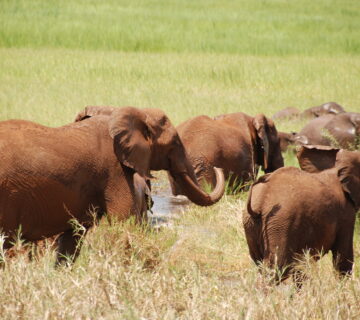
Kazinga Channel Lodge sits on an escarpment above the water, allowing photographers to frame expansive scenes of animals coming to drink at dawn and dusk. The lodge’s layout offers photo vantage points where you can capture elephants and buffalo converging on the shoreline, with the channel and papyrus fringing providing natural framing.
Ishasha Wilderness Camp is perfect for those targeting the iconic tree‑climbing lions of the Ishasha sector. Photographers here benefit from mobile, small‑group game drives that adjust routes based on real‑time animal movements, which is essential for capturing unexpected behaviours. The open terrain and grasslands present classic safari compositions with clean lighting.
Murchison Falls National Park: Mighty Falls and Riverine Subjects
Murchison Falls National Park blends dramatic river landscapes with abundant wildlife photo opportunities. The Nile carving through the savannah before crashing through a narrow gorge is a stellar subject for landscape photography. For wildlife, the riverbanks attract hippos, crocodiles, elephants, giraffes, and specialised bird species.
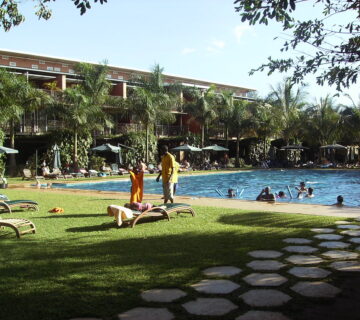
Paraa Safari Lodge is centrally located, offering both river and savannah photography without lengthy transfers. Photographers can time boat cruises on the Nile to align with golden hour, catching the river’s movement against wildlife activity. The lodge’s terrace and pool areas frame sunsets that silhouette animals against copper skies—moments that deliver striking portfolio images.
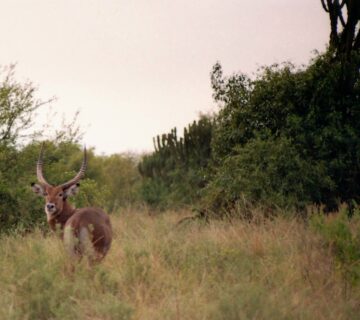
Another compelling option is Chobe Safari Lodge, where rooms and common spaces overlook open plains that can fill with grazing antelope and passing elephants. The difference between sunrise and midday lighting here can transform the mood of scenes dramatically, adding depth to wildlife compositions.
Kidepo Valley National Park: Remote Beauty and Dramatic Light
For photographers who seek wide‑open horizons and a sense of isolation, Kidepo Valley National Park is unmatched. Its rugged, semi‑arid landscapes and abundant wildlife offer photographic subjects that range from stately giraffes against glowing plains to predators moving through golden grass. The harsh midday light can be challenging, but early morning and late afternoon deliver sculpted shadows and rich colours.
Apoka Safari Lodge sits on a rocky outcrop, giving photographers panoramic views over the valley. Shots taken from high vantage points encompass the park’s vastness, and the lodge’s orientation helps frame sunrises behind kopjes and acacia trees. Photographers who time their sessions for early light can capture lions and leopards actively hunting with crisp clarity.
Lake Mburo National Park: Intimate Wildlife and Wetland Photography
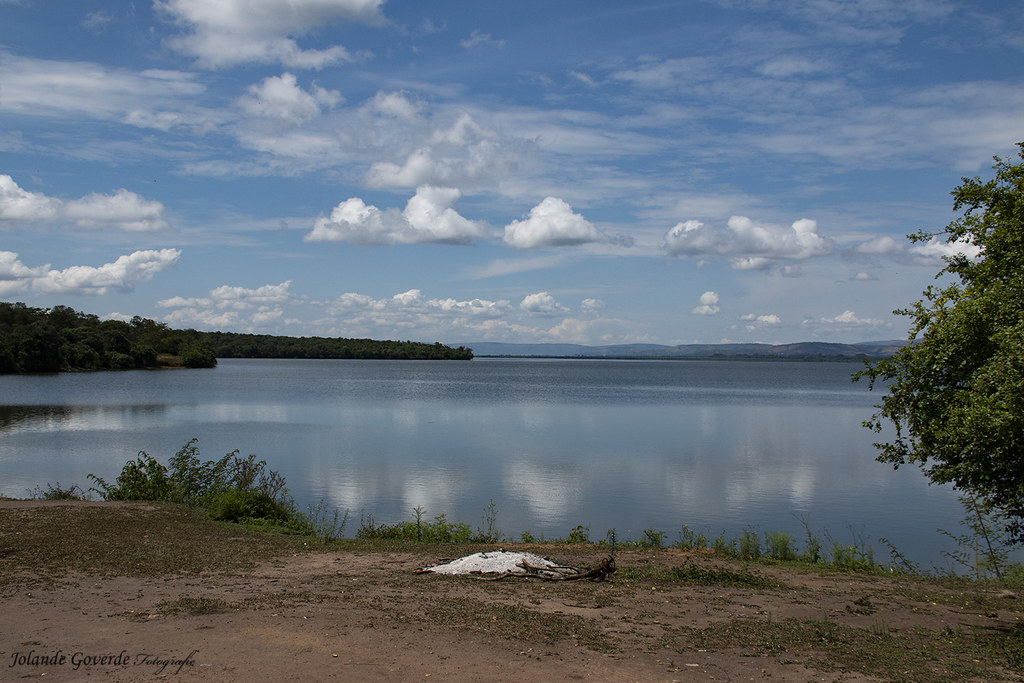
Smaller than Uganda’s major parks but rich in photographic scenes, Lake Mburo National Park offers boat and guided walking safaris. Hippos, buffalo, zebras, and impala abound here, and the wetlands open up opportunities for bird photography with reflections and soft light.
Mihingo Lodge provides a photography‑friendly base with direct access to the lake and open plains. Photographers here can focus on both wide‑angle landscapes and wildlife portraits just metres from camp. The grassy floodplains create layers of depth that enhance compositions during the golden hours.
Tips for Maximising Photography Results at Ugandan Lodges
Selecting a lodge with excellent location and knowledgeable guides is only part of the equation. Photographers should plan their travel to coincide with optimal light conditions, typically early morning and late afternoon. Many parks have waterholes or river channels that concentrate animals during these times, increasing the chance of compelling action shots. Guides with an understanding of photography will position vehicles to take advantage of backlighting, side lighting, and natural frames that elevate the visual narrative of each image.
Staying in lodges that offer flexible game drives and boat excursions allows photographers to adapt to changing conditions and pursue subjects based on real‑time behaviour. Some lodges also provide dedicated photographic vehicles with swivel seats and unobstructed views, which can significantly improve the shooting experience.
Seasonal Considerations for Photography Safaris in Uganda
Uganda’s dry season typically concentrates wildlife around water sources, making it ideal for photography. During this period, lighting conditions are often clearer with less atmospheric haze, improving sharpness and contrast in images. Conversely, the green season brings lush landscapes and dramatic skies, which can add mood and colour to compositions. Photographers should plan around their goals; if dramatic lighting and intimate wildlife action are priorities, the dry season may be preferable, whereas those seeking lush environments and vibrant landscapes may find the wet season equally rewarding.
Lodges That Elevate Your Photography Safari
Uganda’s array of photography‑friendly safari lodges spans iconic national parks and diverse ecosystems. Whether your aim is to capture mountain gorillas in misty forests, elephants converging on riverbanks, or arid plains under vast skies, there are lodges strategically positioned to help you achieve outstanding results. Choosing accommodations that prioritise location, access, photographic support, and flexible field time will transform your safari into a comprehensive visual journey that fulfils both artistic and adventure ambitions.