What to Pack for a Rwanda Trip
Packing correctly for Rwanda sets the tone for a comfortable, stress-free journey. Rwanda’s climate, terrain, and activities vary from misty rainforests and volcanic slopes to warm savannahs and lakeside towns. First-time visitors often underestimate how diverse conditions can be within such a compact country, making thoughtful packing essential.
A well-prepared packing list helps travelers adapt easily to weather changes, cultural expectations, and physical activities. Packing with intention also reduces the need for last-minute purchases and ensures you remain comfortable whether trekking gorillas, exploring Kigali, or relaxing by Lake Kivu.
Clothing for Rwanda’s Climate
Rwanda’s high elevation keeps temperatures moderate, but conditions change throughout the day. Lightweight, breathable clothing works well for daytime travel, especially in cities and lower-altitude regions. Evenings can feel cool, particularly in mountainous areas, so warmer layers are important.
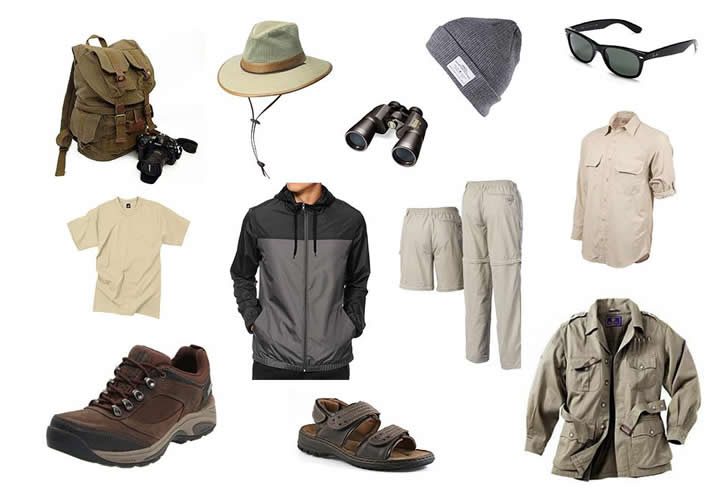
Neutral colors are recommended for wildlife areas, as they blend better with natural environments and reduce disturbance to animals. Avoid overly bright colors for forest trekking, as they attract insects and stand out in dense vegetation. Packing versatile clothing that layers easily allows comfort across different regions.
What to Wear for Gorilla and Chimpanzee Trekking
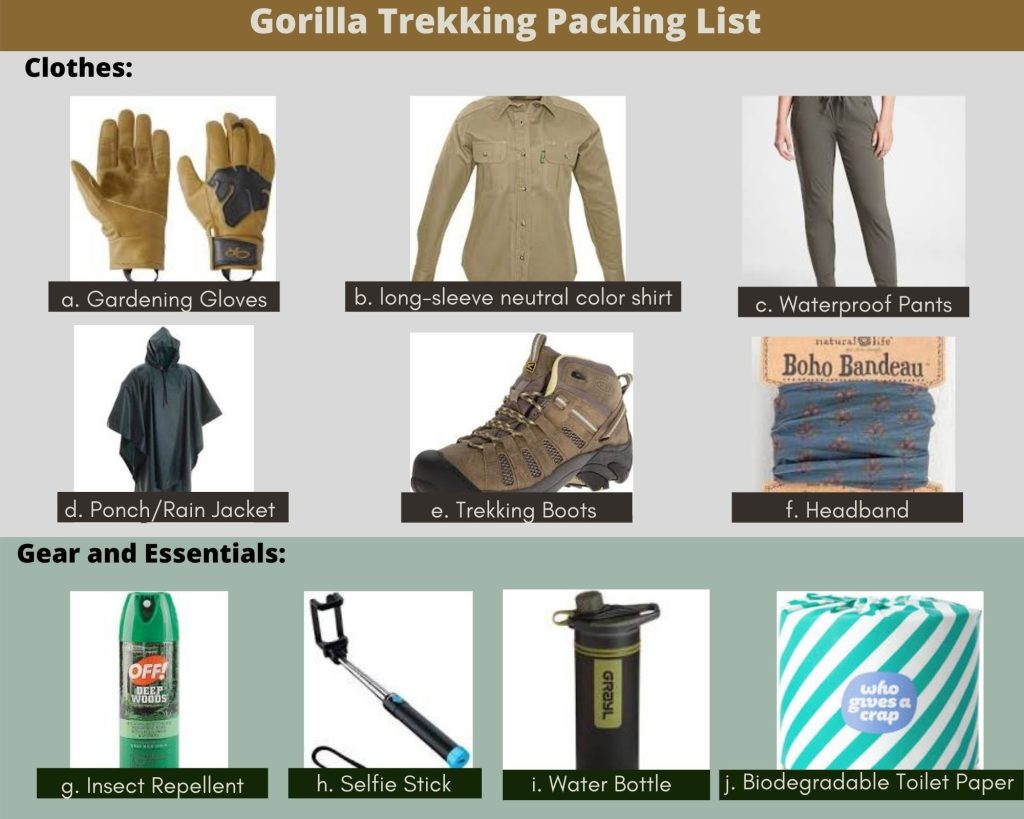
Forest trekking requires durable, protective clothing due to dense vegetation and uneven terrain. Long-sleeved shirts and long trousers protect against scratches, stinging nettles, and insects. Clothing should be lightweight but strong enough to handle rough conditions.
Comfortable hiking boots with good ankle support are essential, as trails can be steep, muddy, and slippery. Gloves help grip vegetation on climbs, while a rain jacket protects against sudden showers common in forest environments. Dressing properly improves safety and enjoyment during treks.
Footwear for Different Activities
Footwear plays a major role in travel comfort in Rwanda. Sturdy hiking boots are necessary for trekking activities, while lighter walking shoes work well for city exploration and cultural visits. Comfortable sandals or casual shoes suit relaxed settings such as lakeside towns.
Shoes should be broken in before travel to avoid discomfort during long walks. Waterproof or water-resistant footwear proves useful during rainy periods. Having more than one pair allows flexibility and helps manage changing conditions.
Rain Gear and Weather Protection
Rain can occur at any time of year in Rwanda, especially in forested regions. A lightweight rain jacket is essential even during dry seasons. Waterproof protection keeps travelers comfortable during treks, game drives, and transfers between destinations.
Quick-drying clothing helps manage humidity and sudden showers. Packing a small waterproof cover for backpacks or cameras adds extra protection for personal items. Preparing for rain ensures that weather does not disrupt planned activities.
Health, Hygiene, and Personal Care Items
Basic personal care items are widely available in cities, but visitors should pack essential items they prefer or rely on. Sunscreen is important due to Rwanda’s elevation, even when temperatures feel mild. Insect repellent adds comfort, particularly in forested and lakeside areas.
Personal medications should be packed in sufficient quantity for the entire trip. Hand sanitizer, wet wipes, and basic first-aid items support hygiene during travel, especially in remote regions. These small items contribute significantly to comfort and wellbeing.
Travel Documents and Essentials
Keeping travel documents organized is essential for smooth movement through Rwanda. Passports, visas, and travel insurance documents should be easily accessible. Carrying both digital and physical copies provides extra security.
A daypack helps carry essentials such as water, snacks, and documents during excursions. Using secure bags or money pouches protects valuables while traveling. Organization reduces stress and allows travelers to focus on the experience.
Electronics and Power Considerations
Rwanda uses standard electrical systems, and power access is reliable in most hotels and lodges. Travelers should pack appropriate adapters for charging devices. Power banks are useful during long drives or full-day activities.
Cameras and smartphones play an important role for many travelers, especially photographers. Extra batteries and memory cards ensure uninterrupted use. Protecting electronics from moisture is important, particularly during forest activities.
Packing for Cultural and City Visits
City exploration and cultural experiences require comfortable but respectful clothing. Modest attire suits visits to memorials, villages, and religious sites. Lightweight, neat clothing helps travelers blend in and show cultural sensitivity.
A small day bag works well for city outings, carrying essentials without bulk. Packing items that transition easily from day to evening adds convenience, especially for travelers moving between urban and rural settings.
Packing Light and Staying Flexible
Packing light improves mobility and comfort in Rwanda. Short travel distances and efficient services reduce the need for excessive luggage. Choosing multi-purpose clothing and limiting unnecessary items makes travel easier.
Flexible packing allows room for local purchases and souvenirs. Travelers who pack thoughtfully often find they need less than expected. Simplicity enhances the overall travel experience.
Plan Your Safari
Packing well prepares you for every aspect of travel in Rwanda, from forest trekking to cultural exploration. Thoughtful choices ensure comfort, respect local customs, and support active days in diverse environments. With the right essentials in your bag, you can focus fully on discovery, connection, and unforgettable safari moments.