Water-Based Wildlife Tours: Kazinga Channel and Beyond
Uganda’s waterways offer a unique perspective on wildlife, blending aquatic ecosystems with surrounding savannahs and forests to create unparalleled safari experiences. Among these, the Kazinga Channel in Queen Elizabeth National Park stands out as a prime location for water-based wildlife observation, but the country’s rivers and lakes, including the Nile and Lake Mburo, also provide remarkable opportunities. Water-based tours allow travelers to observe hippos, crocodiles, elephants, and prolific birdlife from a serene vantage point, often revealing behaviors and interactions unseen on land-based safaris.
Kazinga Channel: A Wildlife Corridor
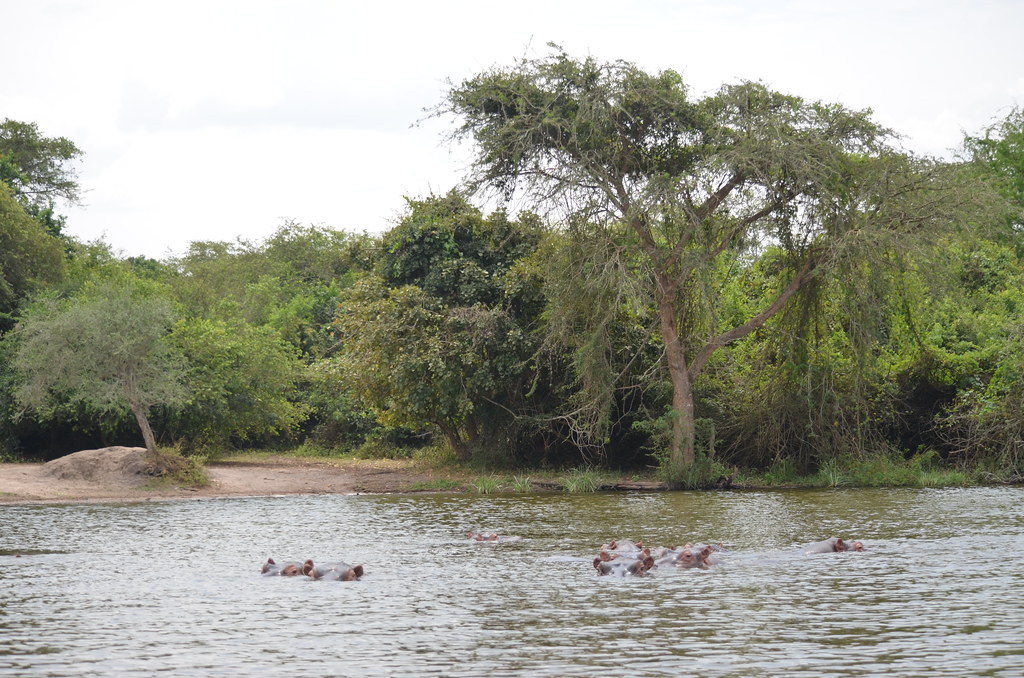
The Kazinga Channel connects Lake Edward and Lake George, forming one of Africa’s most wildlife-dense waterways. Visitors on boat safaris here encounter vast pods of hippos, crocodiles basking along the banks, and elephants coming to drink at the water’s edge. The channel also supports an extraordinary concentration of birds, including herons, kingfishers, pelicans, and the rare shoebill stork. Boat tours allow close observation of these species while highlighting the ecological importance of this water corridor as a lifeline for both aquatic and terrestrial animals.
River Nile Safaris in Murchison Falls National Park
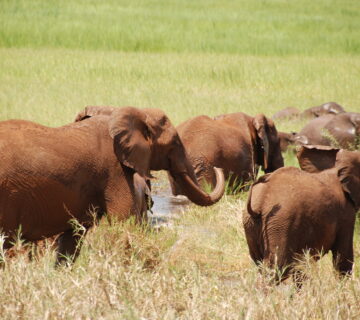
The Nile River offers dramatic water-based wildlife experiences, particularly near the Murchison Falls, where the river plunges in a spectacular cascade. Boat safaris provide unique access to hippo-rich pools, crocodile-infested banks, and elephants that frequently graze along the riverbanks. Guides often point out seasonal patterns, animal interactions, and bird species that depend on the Nile’s riparian habitats. Traveling along the Nile offers a mix of thrill and tranquility, combining powerful scenery with intimate wildlife encounters.
Lake Mburo and Other Waterways
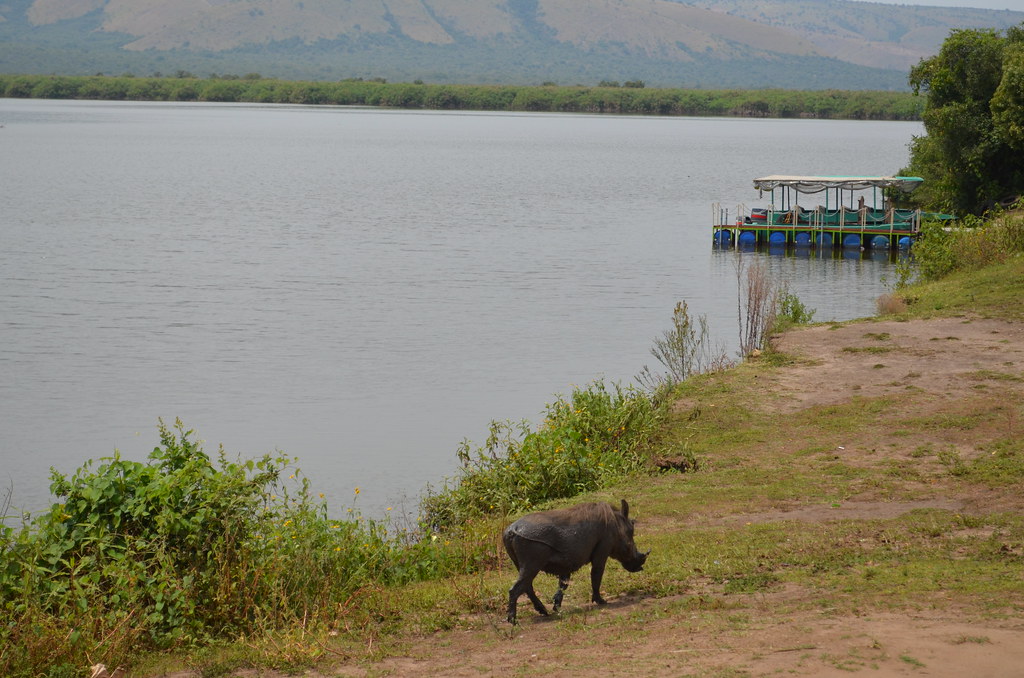
Lakes and smaller rivers across Uganda expand water-based safari opportunities. Lake Mburo National Park, for instance, features boat trips that reveal hippos, Nile monitors, and abundant waterbirds in quiet lagoons and river channels. Smaller rivers and swamps across parks such as Murchison Falls and Queen Elizabeth also support rich biodiversity, offering intimate wildlife viewing for photographers and nature enthusiasts. These tours allow for extended observation periods, often at closer distances than land-based drives, providing exceptional photographic and educational experiences.
Photography and Observation Tips
Water-based tours create ideal conditions for wildlife photography, allowing travelers to capture species in natural behaviors such as feeding, socializing, and swimming. Long lenses and zoom capabilities are useful for close-ups, while steady boats and calm water reflections enhance composition. Early morning and late afternoon light offer the best conditions, highlighting colors and textures while minimizing glare. Observing animal behavior from the water also provides rare opportunities to capture interactions between aquatic and terrestrial species in the same frame.
Conservation and Ethical Considerations
Responsible water-based wildlife tours are essential for sustainable tourism. Boats should maintain safe distances to avoid disturbing animals, especially sensitive species like hippos and nesting birds. Operators often enforce quiet approaches, speed limits, and regulated group sizes, ensuring minimal environmental impact. Ethical tours also emphasize education, with guides providing information about the ecosystem, conservation challenges, and species behavior. By respecting these practices, travelers enjoy immersive experiences while contributing to wildlife protection and habitat preservation.
Why Water-Based Tours Enhance Ugandan Safaris
Water-based safaris complement traditional game drives, offering a different perspective on Uganda’s wildlife and ecosystems. They highlight the importance of aquatic habitats in supporting diverse species, reveal behaviors rarely seen from land, and provide tranquil, scenic routes for observation and photography. For visitors seeking unique, immersive, and varied safari experiences, incorporating boat trips and water-based tours ensures a more comprehensive understanding of Uganda’s natural richness.
Experiencing Uganda’s Wildlife from the Water
Exploring Uganda’s rivers, lakes, and channels elevates wildlife observation, creating unforgettable encounters with hippos, crocodiles, elephants, and prolific birdlife. From the iconic Kazinga Channel to the mighty Nile and serene Lake Mburo, water-based tours reveal a dynamic side of Uganda’s ecosystems, combining adventure, education, and photographic opportunity. Integrating these tours into a safari itinerary enriches the journey, offering perspectives and experiences that are both unique and profoundly connected to the country’s wildlife heritage.