Volcanoes National Park Travel Guide
Volcanoes National Park is Rwanda’s flagship conservation area and one of the most important wildlife destinations in Africa. Set within the Virunga Mountains in the country’s north, the park protects misty volcanoes, bamboo forests, and montane rainforest that shelter a significant portion of the world’s remaining mountain gorillas. The experience here is intimate, emotional, and deeply conservation-driven.
Beyond gorilla trekking, Volcanoes National Park offers golden monkey tracking, volcano hikes, forest walks, and cultural encounters that together create a layered and meaningful journey. This guide covers everything needed to plan a complete visit, from logistics and activities to accommodation, packing, and common mistakes.
Where Volcanoes National Park Is Located
Volcanoes National Park lies in northern Rwanda, near the town of Musanze, along the border with Uganda and the Democratic Republic of Congo. It forms part of the greater Virunga Conservation Area, a transboundary ecosystem spanning three countries.
Its proximity to Kigali makes it Rwanda’s most accessible national park. Travelers can reach the park comfortably by road, allowing even short visits to feel substantial.
How to Get to Volcanoes National Park
The journey from Kigali to Volcanoes National Park takes approximately two to three hours by road. The route passes through Rwanda’s rolling hills, rural landscapes, and small towns, offering a scenic introduction to the country.
Most travelers arrive the day before trekking activities to allow time for rest and acclimatization. Early arrivals ensure smooth logistics for morning briefings and minimize travel fatigue.
Landscape and Park Environment
The park is dominated by volcanic peaks rising dramatically above farmland and forest. Bamboo zones, dense undergrowth, and moss-covered trees create a cool, humid environment year-round.
Altitude varies significantly across the park, influencing weather and trekking difficulty. Mist and light rain are common, adding atmosphere but also requiring proper preparation.
Gorilla Trekking in Volcanoes National Park
Gorilla trekking is the park’s core activity and primary reason most travelers visit. Small groups are guided to habituated gorilla families, with trackers locating the gorillas early each morning.
Once the gorillas are found, visitors spend one hour observing them in their natural habitat. Encounters are close, emotional, and strictly regulated to protect gorilla health and behavior.
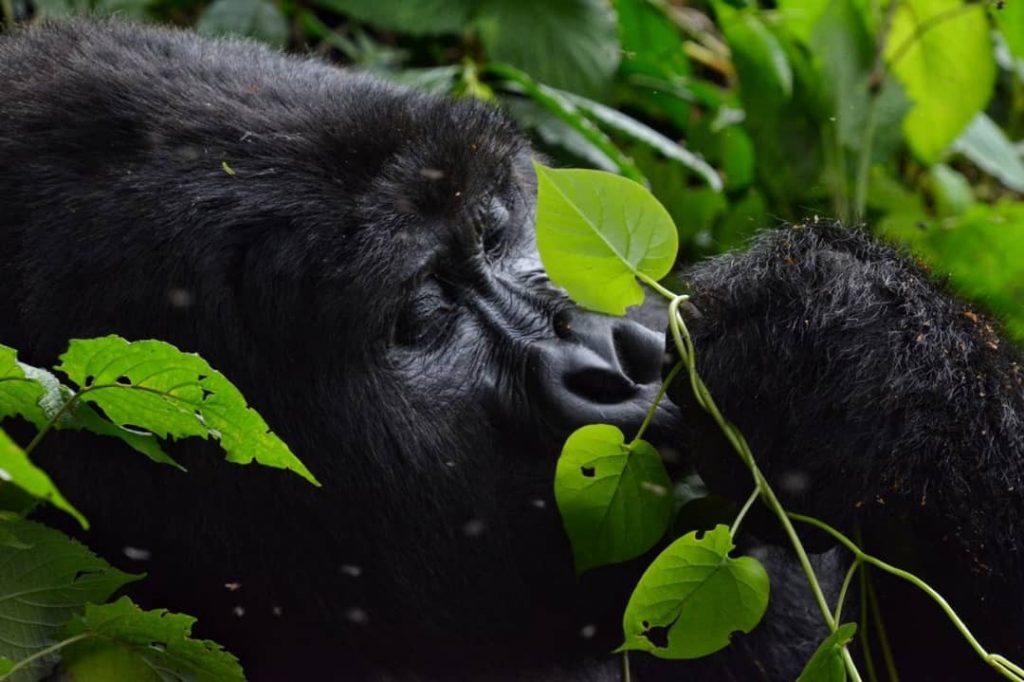
Gorilla Families in Volcanoes National Park
Volcanoes National Park is home to several habituated gorilla families, each with distinct dynamics and territory. Some families are more mobile, while others remain closer to forest edges.
Treks vary in length and difficulty depending on family location. Rangers assign groups on the morning of the trek, balancing fitness levels and conservation considerations.
Golden Monkey Tracking
Golden monkey tracking offers a lighter, playful alternative to gorilla trekking. These colorful primates inhabit bamboo forests at lower altitudes, making the trek shorter and less demanding.
Golden monkeys are energetic and social, providing excellent observation and photography opportunities. This activity works well as a second primate experience or for travelers with limited trekking ability.
Volcano Hiking Experiences
Volcanoes National Park offers guided hikes on several volcanic peaks, including Mount Bisoke and Mount Karisimbi. These hikes reveal crater lakes, alpine vegetation, and panoramic views across the Virunga range.
Volcano hikes are physically demanding and require good fitness. They suit adventurous travelers seeking landscapes and challenge beyond wildlife encounters.
Other Activities in Volcanoes National Park
Additional activities include forest walks, visits to Dian Fossey’s grave, and cultural experiences in surrounding communities. These experiences add historical and cultural context to the park visit.
They also provide alternatives for travelers not trekking gorillas on a given day, allowing flexible itinerary design.
Best Time to Visit Volcanoes National Park
Volcanoes National Park is open year-round. Drier months offer easier trekking conditions, with firmer trails and reduced rain.
Rainy periods bring lush vegetation and dramatic scenery. While trails can be muddy, gorilla sightings remain reliable throughout the year.
Permits and Park Fees
Gorilla trekking requires a permit, which must be secured in advance due to limited availability. Golden monkey tracking also requires a separate permit.
Permits fund conservation, veterinary care, ranger salaries, and community projects. Strict limits ensure sustainability and protect wildlife.
Accommodation Near Volcanoes National Park
Choosing the right lodge enhances comfort and trekking logistics. Accommodation options range from luxury retreats to practical mid-range lodges and simple budget stays.
Luxury Lodges Near Volcanoes National Park
Bisate Lodge offers one of the most exclusive experiences in the region, with forest villas overlooking volcanic slopes and strong conservation integration.
Singita Kwitonda Lodge provides refined comfort, expansive views, and close proximity to park headquarters.
Luxury lodges suit honeymooners, photographers, and travelers seeking privacy and premium service.
Mid-Range Lodges Near Volcanoes National Park
Five Volcanoes Boutique Hotel provides comfortable rooms, good dining, and convenient access to trekking points.
Mountain Gorilla View Lodge offers spacious cottages with volcano views and practical logistics for early starts.
Mid-range lodges balance comfort, location, and value.
Budget Lodges Near Volcanoes National Park
Kinigi Guest House is a reliable budget option close to park headquarters, offering simple rooms and early breakfast arrangements.
La Palme Hotel in Musanze provides basic comfort for travelers prioritizing affordability.
Budget accommodation suits short stays and adventure-focused travelers.
How Many Days to Spend in Volcanoes National Park
A minimum of two nights allows for one gorilla trek. Three nights enable a more relaxed pace and inclusion of golden monkey tracking or cultural activities.
Longer stays allow for volcano hikes or rest days between physically demanding activities.
Sample Mini-Itineraries
2 Days / 1 Night
Arrival from Kigali, overnight near the park, gorilla trekking the next morning, return.
3 Days / 2 Nights
Arrival, gorilla trekking, golden monkey tracking or cultural visit, departure.
4 Days / 3 Nights
Arrival, gorilla trekking, volcano hike or Dian Fossey site visit, relaxation or community experience.
What to Pack and What to Wear
Sturdy hiking boots, long trousers, gloves, and a waterproof jacket are essential. Layers help manage temperature changes during treks.
Daypacks should carry water, snacks, and camera gear. Porters are available to assist with carrying and stability.
Safety, Health, and Trekking Etiquette
Health screening is strict, and anyone feeling unwell may not trek. Maintaining distance from gorillas and following ranger instructions is mandatory.
The park has an excellent safety record due to professional guiding and regulation.
Photography Tips
Flash photography is prohibited. Forest lighting is low, so cameras should be set accordingly.
Patience and observation often yield better images than constant movement.
Family and Accessibility Considerations
Gorilla trekking has a minimum age requirement. Families with younger children can enjoy golden monkey tracking and cultural activities instead.
Travelers with mobility limitations should discuss options in advance, including shorter treks and porter assistance.
Common Mistakes to Avoid
Arriving without proper footwear or rain gear can make trekking uncomfortable. Underestimating physical demands is another frequent issue.
Rushing the visit limits appreciation. Allowing time enhances the experience significantly.
Plan Your Safari
Volcanoes National Park offers one of the most powerful wildlife experiences on Earth. With thoughtful planning, the right accommodation, and realistic expectations, visitors experience gorilla conservation, dramatic landscapes, and Rwanda’s commitment to responsible tourism in one unforgettable destination.