Uganda’s Wildlife Through the Seasons: Best Times to Visit
Uganda’s extraordinary biodiversity makes it a year-round wildlife destination, yet the timing of your visit can dramatically shape your safari experience. With over 1000 bird species, iconic mammals such as mountain gorillas, lions, elephants, and elusive cheetahs, as well as vibrant wetland and forest ecosystems, Uganda’s seasonal patterns affect animal behavior, accessibility, and photographic opportunities. Understanding these patterns allows travelers to optimize their experience, whether seeking intimate primate encounters, predator sightings, or spectacular bird migrations.
Dry Seasons: Peak Wildlife Viewing and Safari Convenience
Uganda’s dry seasons occur from December to February and June to September, offering the most accessible conditions for safaris across all national parks. Dry conditions concentrate wildlife around water sources, improve visibility, and make forest and savannah trails safer and easier to navigate.
-
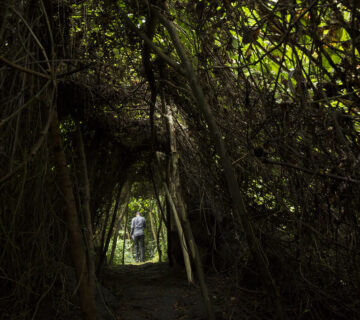
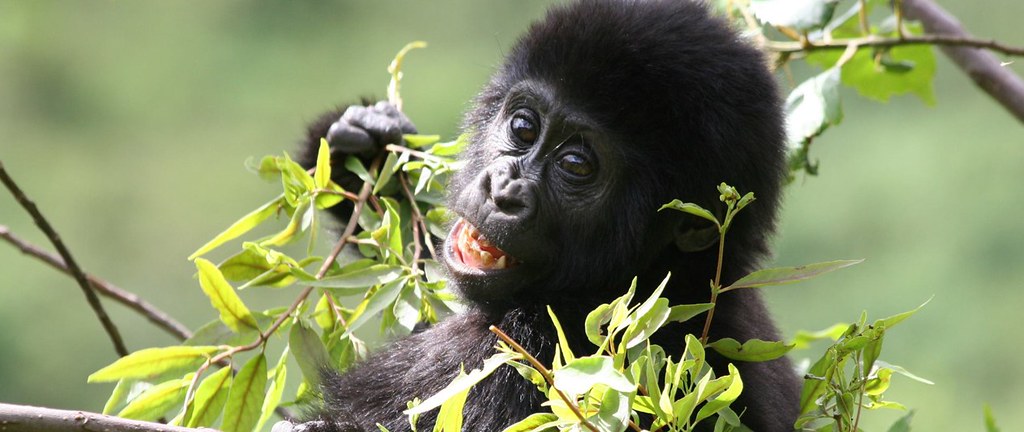
Gorilla Trekking in Bwindi and Mgahinga: Trails are less slippery, making long hikes more comfortable. Gorillas tend to be easier to track and more visible in these conditions. Dry mornings are particularly favorable for photography, providing natural light and reduced mist.
-
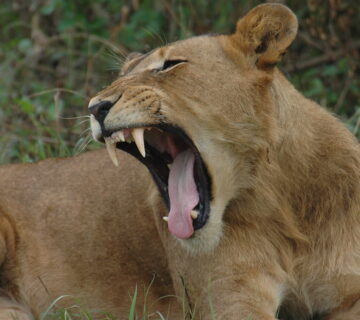
Predator Tracking in Queen Elizabeth and Murchison Falls: Lions, leopards, and cheetahs are more likely to be seen hunting or lounging in the open savannah. The dry months also increase the likelihood of spotting elusive nocturnal species during night drives in select parks.
-
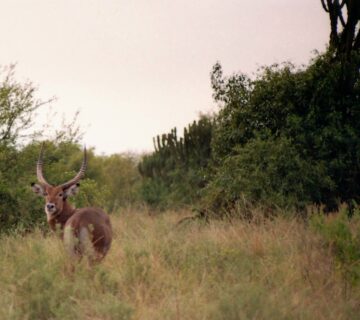
Kidepo Valley Wildlife Concentration: Herds of elephants, buffalo, and antelope gather around seasonal rivers, increasing the chances of sightings. Open plains in dry conditions allow for expansive photographic compositions.
Wet Seasons: Lush Landscapes and Unique Wildlife Experiences
Uganda’s wet seasons are from March to May and October to November. While some roads and forest trails may be muddy, these months offer unmatched natural beauty and heightened ecological activity.
-
Forest Treks: Bwindi and Mgahinga become lush and vibrant, with increased bird activity and enhanced opportunities to observe chimpanzees and monkeys.
-
Birdwatching: Wetlands, rivers, and lakes host migratory species arriving from Europe and Asia. This period is ideal for photographing waterfowl, raptors, and rare species such as the shoebill stork.
-
Photography Opportunities: Waterfalls, rivers, and misty forests create dramatic backdrops for wildlife photography. Rain often leads to clearer reflections in water bodies and dynamic light conditions.
-
Lower Tourist Traffic: Reduced visitor numbers during wet months provide a more intimate safari experience, especially for gorilla trekking and remote parks like Kidepo Valley.
Seasonal Behavior of Key Wildlife
Understanding how animals behave in different seasons enhances safari planning:
-
Mountain Gorillas: Active year-round, but visibility is better in dry months. Wet months offer richer forest foliage and more playful behaviors among juveniles.
-
Savannah Predators: Lions and leopards are easier to spot during dry periods, while prey dispersal during wet months may make sightings more unpredictable.
-
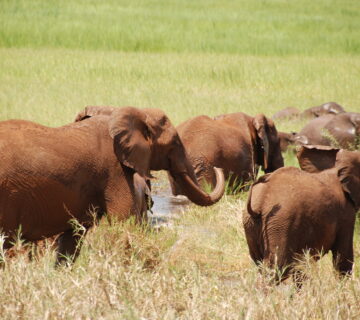
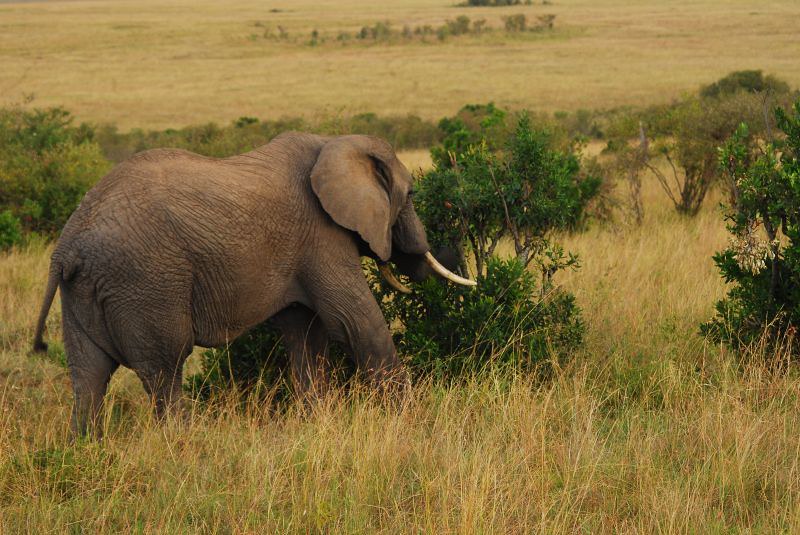
Elephants and Buffalo: Concentrate near rivers in dry months; in wet months, they spread across the savannah, offering opportunities for more natural behavior observation.
-
Hippos and Crocodiles: Active in rivers and channels year-round; higher water levels during wet months allow safe navigation for boat-based wildlife tours.
-
Birds: Resident birds are present year-round, while migratory species arrive or depart according to the wet and dry seasonal cycles, creating temporary peaks in diversity.
Regional Seasonal Insights
-
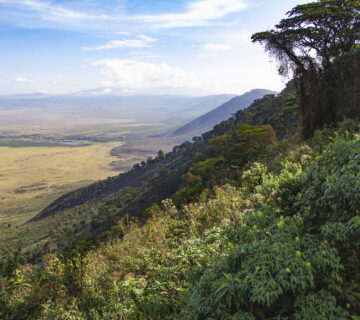
Bwindi Impenetrable Forest and Mgahinga Gorilla National Park: High altitude and misty conditions create cooler microclimates year-round. Trekking is physically easier in dry months, but wet months offer vibrant forest scenery.
-
Queen Elizabeth National Park: Dry season favors predator spotting and vehicle access to savannah areas, while wet months enhance birdwatching along the Kazinga Channel.
-
Murchison Falls National Park: Water levels rise during wet months, intensifying river-based wildlife activity and waterfall spectacle. Dry season provides better road access and concentration of game along rivers.
-
Kidepo Valley National Park: Remote roads are navigable mainly during dry months; wildlife viewing is at its peak as animals gather at seasonal water sources.
-
Lake Mburo and Semuliki National Parks: Smaller parks are accessible year-round, but wet months provide lush landscapes and excellent birdwatching opportunities.
Planning Your Safari According to Seasons
Choosing the best time depends on your priorities:
-
For Gorilla Trekking: Dry seasons offer comfort and accessibility.
-
For Birdwatching: Wet months provide the richest species diversity.
-
For Predator Viewing and Photography: Dry months allow concentrated game sightings and easier tracking.
-
For Scenic Photography and Lush Landscapes: Wet months deliver dramatic forest, waterfall, and wetland backdrops.
Multi-park itineraries can balance seasonal strengths, ensuring a comprehensive wildlife experience regardless of the month of travel.
Additional Considerations
-
Accommodation Availability: Peak seasons may require early bookings, particularly for gorilla trekking lodges.
-
Road Conditions: Wet months may necessitate 4×4 vehicles for remote parks.
-
Local Festivals and Events: Seasonal cultural activities can complement wildlife experiences, providing insight into Uganda’s communities.
-
Health Precautions: Wet seasons often coincide with increased mosquito activity; preventive measures are advised.
Conclusion: Experiencing Uganda’s Wildlife Year-Round
Uganda’s diverse wildlife is accessible throughout the year, but aligning your visit with seasonal highlights maximizes both the quantity and quality of sightings. Dry months provide optimal conditions for predator tracking, gorilla trekking, and photography, while wet months offer lush scenery, vibrant bird migrations, and quieter parks. By understanding Uganda’s seasonal rhythms, travelers can craft a safari itinerary that combines comfort, adventure, and exceptional wildlife encounters for a truly unforgettable experience