Uganda’s Wildlife Hotspots: From Forests to Savannas
Uganda is a wildlife lover’s paradise, offering a remarkable range of ecosystems that span dense forests, sprawling savannahs, wetlands, and rivers. Each habitat hosts a unique array of species, from primates and big cats to birds, reptiles, and aquatic wildlife. Exploring Uganda’s wildlife hotspots allows travelers to experience the full diversity of African fauna while enjoying immersive safari adventures and ecological learning.
Forested Habitats and Primate Diversity
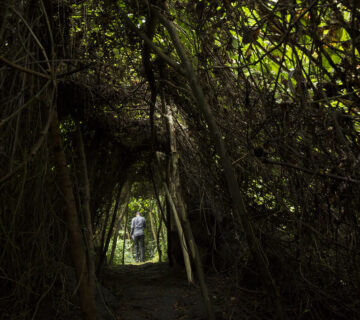
Uganda’s tropical forests are home to some of Africa’s most iconic primates. Bwindi Impenetrable Forest and Mgahinga Gorilla National Park host mountain gorillas, while Kibale Forest National Park is renowned for chimpanzees and over a dozen monkey species. These forests feature dense vegetation, bamboo thickets, and riverine gullies, creating ideal habitats for foraging, nesting, and social interaction. Guided treks through these habitats offer close encounters with primates, along with opportunities to observe smaller mammals, forest birds, and endemic amphibians.
Savannahs and Big Mammal Experiences
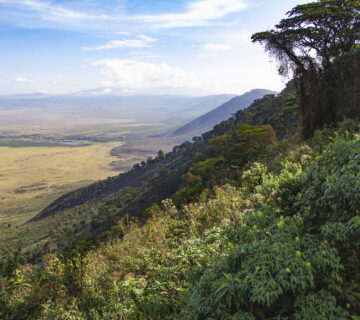
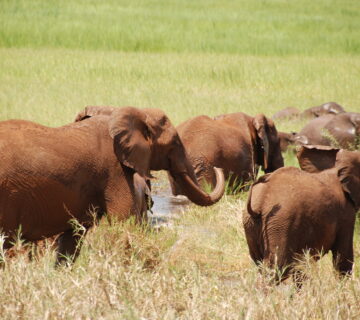
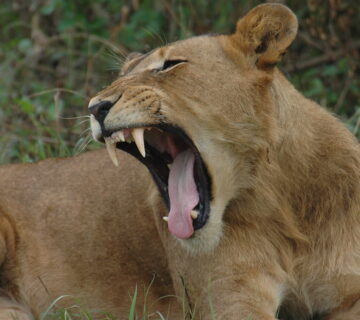
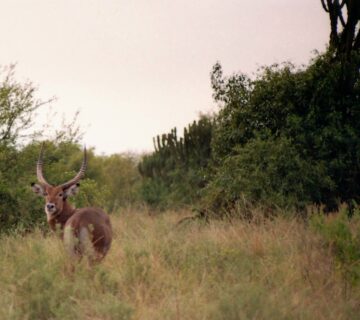
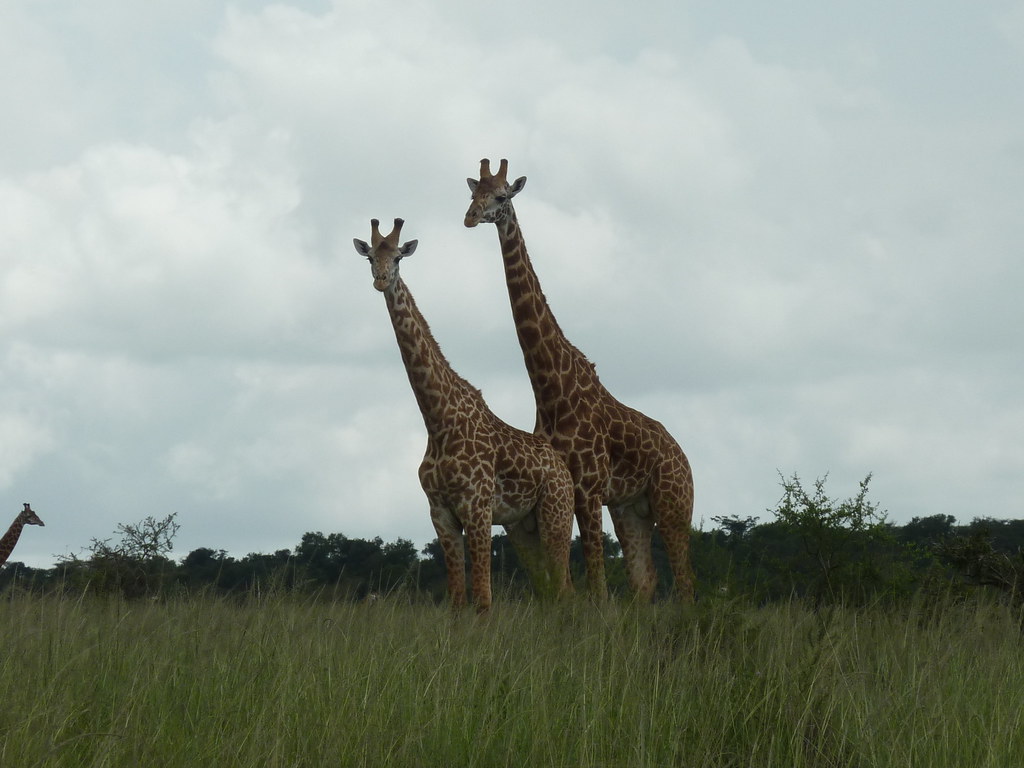
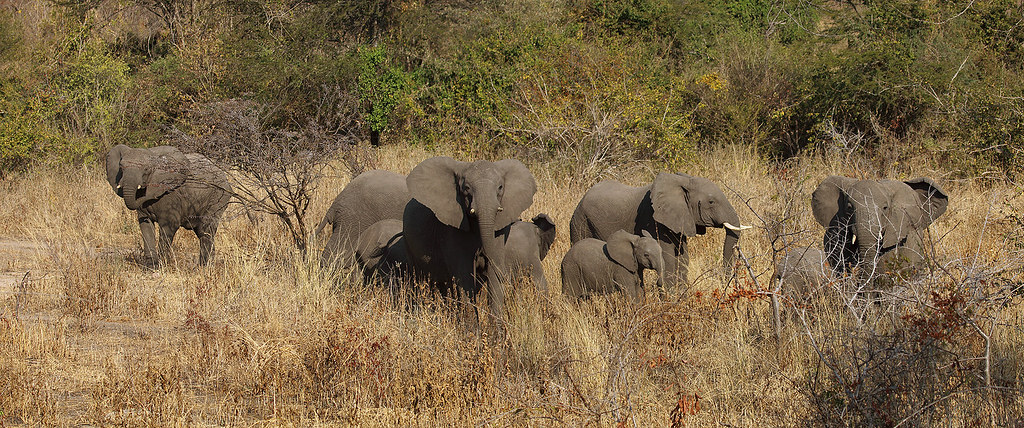
The savannahs of Uganda are perfect for spotting large mammals in open landscapes. Queen Elizabeth National Park, Kidepo Valley National Park, and Murchison Falls National Park showcase elephants, lions, leopards, buffalo, giraffes, zebras, and various antelope species. Rolling grasslands, acacia-dotted plains, and rocky kopjes provide visibility and dramatic scenery for game drives. The Ishasha sector of Queen Elizabeth is especially famous for its tree-climbing lions, while Kidepo Valley offers a remote and untouched wilderness experience.
Wetlands and Aquatic Wildlife
Uganda’s wetlands and rivers host diverse aquatic species and birdlife. The Kazinga Channel, connecting Lake Edward and Lake George, teems with hippos, crocodiles, elephants, and countless waterbirds. Wetlands such as Mabamba Swamp and Lutembe Bay are breeding grounds for rare birds, including the shoebill stork. Canoe trips, boat safaris, and guided walks allow visitors to explore these ecosystems while observing unique species in their natural habitats.
Montane and High-Altitude Regions
Uganda’s mountains provide specialized habitats for endemic and rare wildlife. The Rwenzori Mountains, Mount Elgon, and the Virunga volcanic region within Mgahinga support montane forests, bamboo zones, and alpine vegetation. These areas harbor species such as golden monkeys, forest antelopes, and unique bird species adapted to high altitudes. Trekking in these regions combines adventure with the chance to observe wildlife that is rarely seen elsewhere.
Biodiversity Hotspots and Birdwatching
Uganda is a world-class destination for birdwatching. Over 1,000 bird species inhabit the country, including the shoebill stork, African fish eagle, grey crowned crane, and various migratory species. Forest, savannah, and wetland habitats each offer different birding opportunities, making Uganda an ideal location for eco-tourists and photographers seeking diverse avian encounters.
Planning Visits to Uganda’s Wildlife Hotspots
When planning safaris, consider the habitat types, species of interest, and seasonal factors. Dry seasons, from December to February and June to September, provide optimal conditions for wildlife viewing in savannahs and forests, while wet seasons enhance forest lushness, water-based activities, and bird diversity. Combining multiple ecosystems in a single itinerary allows travelers to experience Uganda’s full wildlife spectrum, from primates in dense forests to elephants and lions roaming open savannahs.
Conservation and Ethical Tourism
Many of Uganda’s wildlife hotspots are protected by national parks, reserves, and community conservation programs. Ethical tourism ensures minimal disturbance to animals, supports anti-poaching efforts, and contributes to habitat preservation. Visitors are encouraged to follow ranger guidance, maintain safe distances, and respect local regulations, helping to sustain Uganda’s rich biodiversity for future generations.
Experiencing Uganda’s Wildlife Mosaic
Uganda’s forests, savannahs, wetlands, and mountains form a mosaic of habitats teeming with life. Exploring these wildlife hotspots provides visitors with encounters ranging from close-up primate observations to dramatic sightings of elephants, lions, and rare birds. By traveling responsibly and exploring diverse ecosystems, wildlife enthusiasts can fully appreciate the extraordinary natural heritage that makes Uganda a premier safari destination.