Uganda’s Wild Wetlands: Birdwatching and Eco-Tourism
Uganda’s wetlands are among the most ecologically rich landscapes in Africa, spanning lakes, rivers, swamps, floodplains, and marshes. These ecosystems are essential not only for sustaining diverse wildlife populations but also for supporting local communities through fishing, agriculture, and tourism. For eco-tourists and wildlife enthusiasts, Uganda’s wetlands provide extraordinary opportunities to observe rare birds, monitor seasonal migrations, and experience biodiversity up close in pristine natural habitats.
Birdwatching Highlights in Uganda’s Wetlands
Birdwatching is a central attraction in Uganda’s wetlands, which host over 1,000 recorded bird species. These habitats support both resident species and seasonal migrants, making Uganda a year-round birding destination. Notable species include the shoebill stork, African jacana, grey crowned crane, malachite kingfisher, and African fish eagle. The elusive shoebill stork, in particular, draws international birding enthusiasts, as it is found only in specific papyrus swamps such as Mabamba and Lutembe Bay.
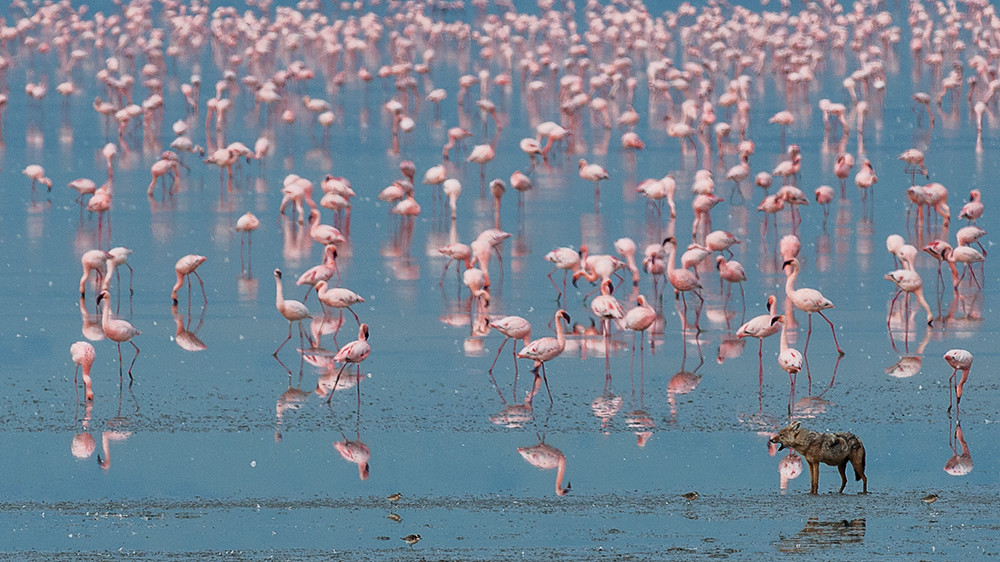
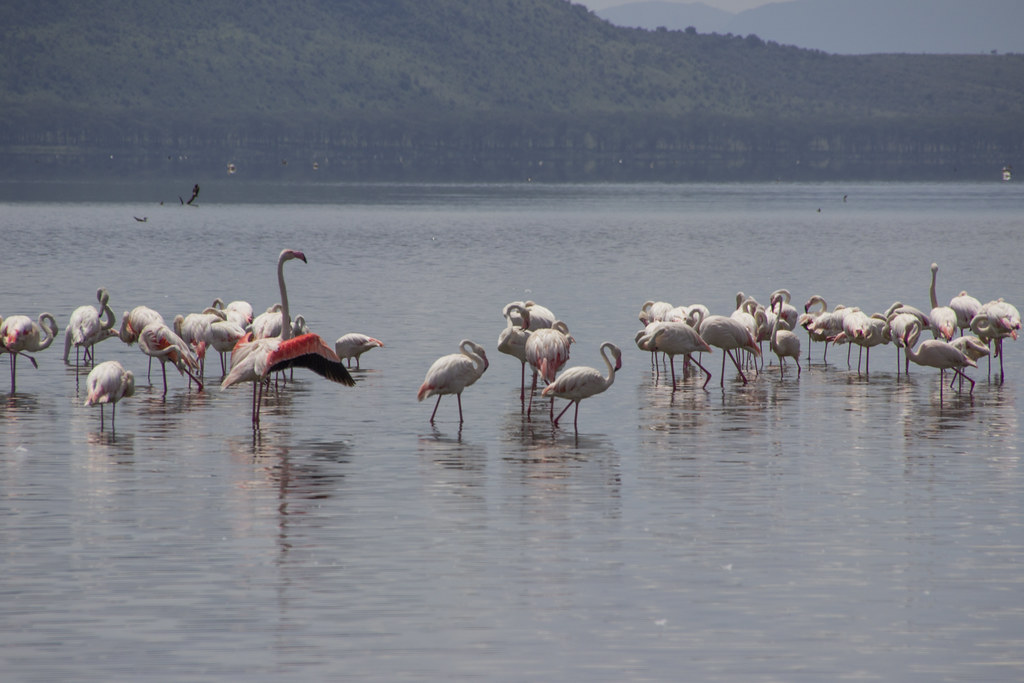
Migratory birds, arriving from Europe, Asia, and North Africa, use Uganda’s wetlands as resting and feeding grounds. Large congregations of waterfowl, waders, and raptors can be observed, especially during wet seasons, creating spectacular sights for bird photographers and nature lovers alike.
Iconic Wetlands for Eco-Tourism
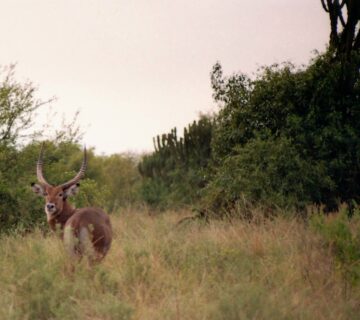
Mabamba Swamp is one of the most famous wetland birding sites in Uganda. Canoe tours through papyrus channels provide intimate views of the shoebill, jacanas, and various kingfishers, while expert local guides explain species behavior and ecological importance. Lutembe Bay along Lake Victoria hosts thousands of migratory birds, offering excellent observation and photographic opportunities. Lake Mburo National Park wetlands combine birding with terrestrial wildlife experiences, such as observing zebras, hippos, and antelopes along marshy lake edges. Rwenzori foothill wetlands are less visited but host unique montane forest bird species, providing a quiet and immersive birding experience.
Integrating Conservation and Community Engagement
Eco-tourism in Uganda’s wetlands emphasizes sustainability and local empowerment. Many tours are guided by community members who provide education about conservation and habitat protection. Visitors may support initiatives such as tree planting, wetland restoration, and anti-poaching awareness campaigns. These efforts not only protect bird populations and wetland ecosystems but also provide alternative livelihoods for communities that rely on natural resources, aligning tourism with long-term conservation goals.
Wildlife Beyond Birds
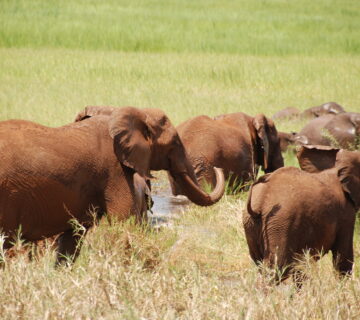
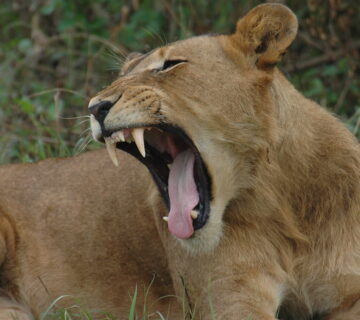
Wetlands are home to a rich diversity of other wildlife, enhancing the overall eco-tourism experience. Hippos dominate rivers and lakes, while crocodiles patrol channels and marshes. Amphibians and reptiles thrive in the moist environment, and small mammals inhabit surrounding grasslands and forest edges. Wetlands also serve as corridors for larger species such as elephants and buffalo, which may graze along floodplains and lakeshores. Observing this diverse range of species complements birdwatching and provides a holistic understanding of wetland ecosystems.
Best Times to Visit Uganda’s Wetlands
Seasonality affects accessibility and wildlife activity. Dry seasons, from December to February and June to September, allow easier canoeing and walking along swamp trails, while wet seasons, from March to May and October to November, bring lush scenery, higher bird densities, and increased nesting activity. Photographers benefit from the vivid greenery and reflections in flooded wetlands during wet months, while dry months provide better visibility and easier movement for guided tours.
Practical Tips for Wetland Eco-Tourism
Visitors should wear lightweight, moisture-wicking clothing and waterproof shoes suitable for muddy or damp conditions. Binoculars, spotting scopes, and cameras with zoom lenses are essential for close observation. Staying quiet, respecting wildlife, and following local guides’ instructions ensure minimal disturbance to animals. Booking guided tours with trained community members maximizes sightings and provides educational insights into wetland ecology, conservation challenges, and the importance of sustainable tourism.
Combining Wetland Experiences with Other Safari Activities
Uganda’s wetlands can be integrated into broader safari itineraries. Birdwatchers can combine visits to Mabamba Swamp or Lutembe Bay with safaris in Queen Elizabeth National Park, Murchison Falls, or Lake Mburo, observing both wetland and savannah wildlife. Eco-tourists may also pair wetland exploration with primate trekking in Bwindi or Mgahinga, creating a comprehensive wildlife and nature experience.
Uganda’s Wetlands as a Wildlife and Conservation Destination
Uganda’s wetlands offer unparalleled opportunities for birdwatching, wildlife observation, and eco-tourism, providing both adventure and educational experiences. By visiting these habitats responsibly, travelers contribute to conservation, support local communities, and experience the remarkable biodiversity that makes Uganda unique. From observing rare shoebills gliding through papyrus channels to spotting hippos in serene lakes, Uganda’s wetlands are a must-visit destination for anyone passionate about nature, wildlife, and sustainable tourism.