Uganda’s Traditional Dances and Music Experiences: Celebrating Culture and Heritage
Uganda is a land of rich cultural diversity, home to over 50 ethnic groups, each with its unique traditions, music, and dance forms. Traditional dances and music are central to Ugandan life, celebrating social events, spiritual beliefs, and communal identity. Engaging in these experiences allows travelers to witness the country’s vibrant heritage while connecting deeply with local communities.
The Significance of Music and Dance in Uganda
In Uganda, music and dance are more than entertainment—they are storytelling, history, and cultural expression. From the rhythmic drumming of the Baganda to the energetic movements of the Karamojong, each performance communicates stories of ancestry, daily life, and spiritual beliefs. Dance is often intertwined with rituals, agricultural cycles, celebrations, and rites of passage, reflecting the social and cultural fabric of the communities.
Music typically accompanies dance, featuring traditional instruments such as drums, xylophones, lyres, and rattles. Vocal harmonies and chanting complement percussive rhythms, creating immersive performances that engage both the audience and participants. For travelers, this offers a sensory-rich experience that is both educational and entertaining.
Regional Dance Traditions
Each region of Uganda has distinct dance styles reflecting its history and environment. In central Uganda, the Baganda perform royal and ceremonial dances, often accompanied by intricate drumming patterns and graceful hand movements. Western Uganda is known for energetic and acrobatic dances, including the Bakiga’s cow-themed dances and the Banyankole’s traditional drum dances.
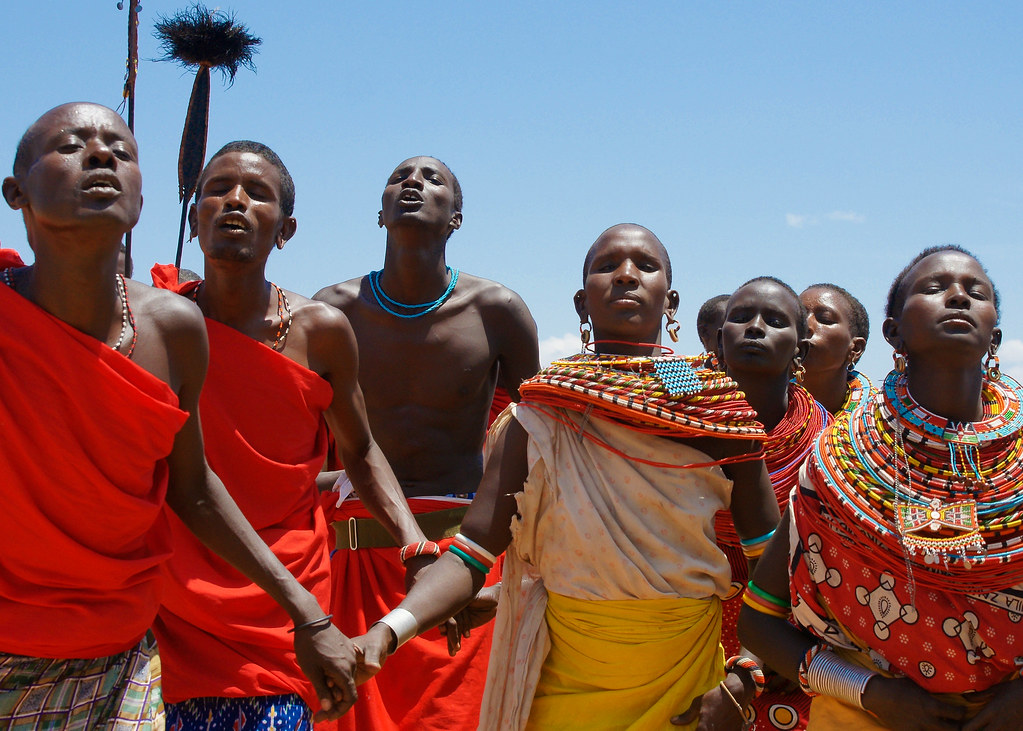
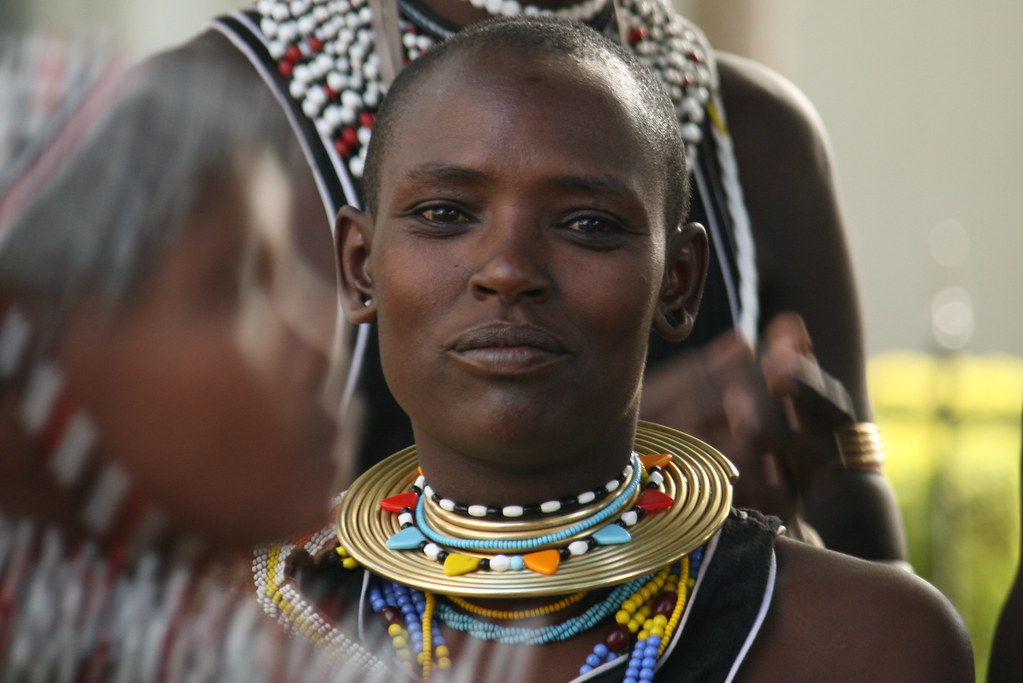
Northern Uganda offers vibrant Acholi and Lango dances, characterized by rhythmic stamping, leaping movements, and storytelling elements that depict local folklore and historical events. In the Karamoja region, Karamojong dances showcase warrior traditions, cattle celebrations, and communal festivities, often performed with elaborate beadwork and body adornments.
Participating in Dance and Music Experiences
Travelers can engage with Uganda’s traditional dances through guided cultural tours, festivals, and community performances. Many lodges, cultural centers, and tourism operators offer interactive experiences where visitors are invited to learn basic steps, clap to rhythms, and participate in communal singing. This hands-on involvement provides a more immersive understanding than passive observation.
Festivals and events provide exceptional opportunities to witness authentic performances. Annual cultural festivals, harvest celebrations, and kingdom ceremonies bring together multiple communities, offering travelers a comprehensive showcase of Uganda’s music, dance, and attire. Participating in these events deepens cultural appreciation and creates memorable experiences.
Instruments and Musical Craftsmanship
Traditional Ugandan music relies on a variety of handmade instruments. Drums of different sizes, xylophones, lyres, and thumb pianos create complex rhythms, while flutes and stringed instruments add melodic elements. Many communities also craft their instruments using local materials, showcasing ingenuity and cultural preservation. Travelers can often see artisans at work, gaining insight into the craftsmanship behind the music.
Cultural Learning and Storytelling
Uganda’s dances and music are rich in storytelling. Each movement, rhythm, and song often conveys historical narratives, moral lessons, or communal values. By participating in these performances, travelers not only enjoy the artistry but also learn about Uganda’s social structure, traditions, and history from local perspectives.
Sustainable and Responsible Engagement
Cultural experiences in Uganda prioritize sustainability and respect. Visitors are encouraged to observe local customs, seek permission before taking photos, and support community-based tourism initiatives. Payments for performances, workshops, and craft purchases often go directly to local communities, ensuring that cultural heritage is preserved and livelihoods are supported.
Best Time for Cultural Experiences
The dry seasons from December to February and June to September are ideal for cultural visits, offering comfortable weather for outdoor festivals and village tours. These months also coincide with major ceremonies and harvest celebrations, allowing travelers to experience music and dance in their full cultural context.
Uganda’s traditional dances and music offer travelers a window into the soul of the nation. From the drumbeats of the Baganda to the energetic Karamojong warrior dances, each performance reflects centuries of history, spirituality, and community life. Engaging with these experiences provides not only entertainment but also a deeper understanding of Uganda’s rich cultural heritage, making them an essential part of any immersive visit to the country.