Uganda’s Pristine Lakes and Aquatic Wildlife
Uganda’s freshwater landscapes form one of the most extensive and biologically important aquatic networks in Africa. Beyond their scenic beauty, the country’s lakes act as ecological engines that sustain wildlife, regulate climate, support human communities, and connect entire ecosystems. Exploring Uganda’s lakes reveals a quieter but deeply powerful side of its wildlife story, where water shapes life in subtle, continuous ways.
Uganda as East Africa’s Freshwater Heart
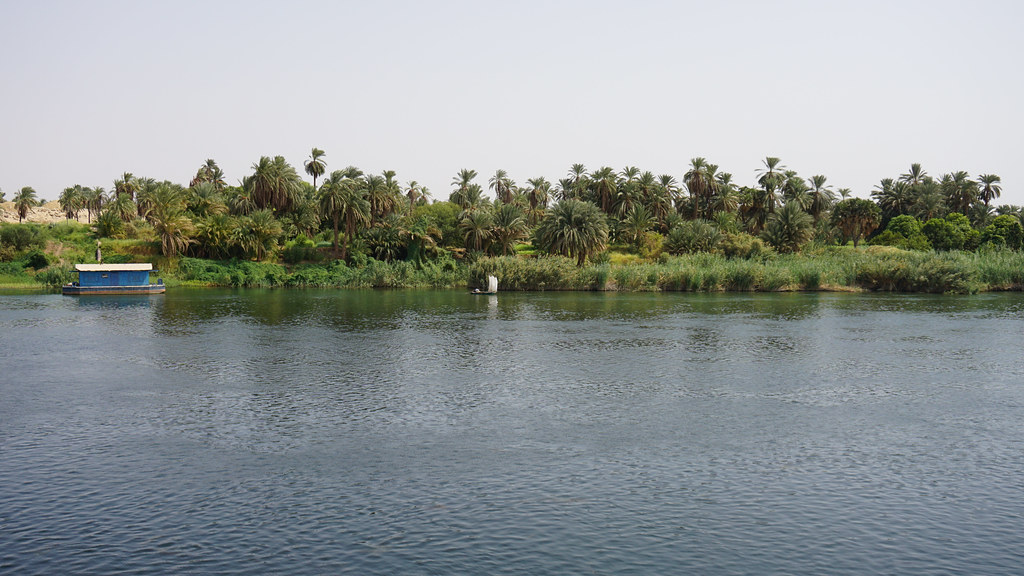
Uganda is often described as East Africa’s freshwater heart, with an extraordinary concentration of lakes, rivers, wetlands, and swamps. These water systems feed the Nile, support inland fisheries, and create permanent wildlife refuges even during prolonged dry seasons.
Unlike purely savanna-based destinations, Uganda’s safari experience is strongly influenced by water. Aquatic environments soften the landscape, attract dense wildlife populations, and support species that cannot survive in arid ecosystems. This abundance of water is a major reason Uganda supports such high biodiversity within a relatively small geographical area.
The Role of Lakes in Wildlife Movement and Survival
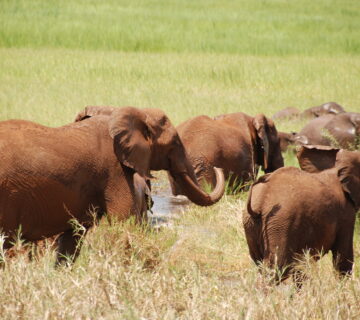
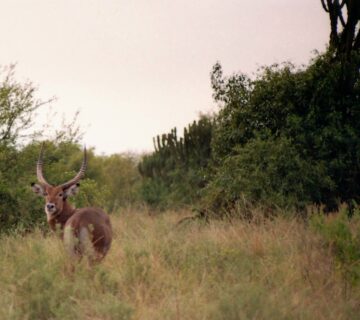
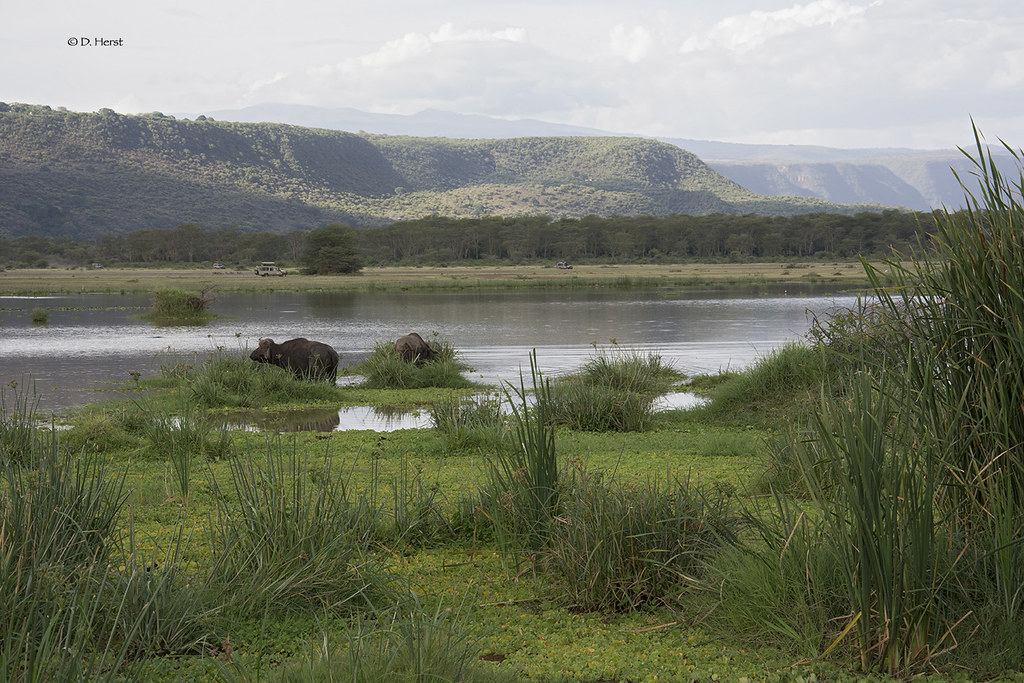
Uganda’s lakes function as natural wildlife magnets, drawing animals from surrounding savannas, forests, and grasslands. Elephants, buffalo, antelope, and predators regularly move toward lake shores and wetlands during dry periods, using these areas as critical survival zones.
Aquatic systems also act as corridors, linking habitats and enabling seasonal movement. Wetlands between lakes allow species to disperse safely, reducing pressure on any single ecosystem and supporting genetic diversity among animal populations.
Lake Victoria’s Wetlands and Island Ecosystems
Beyond its vast open waters, Lake Victoria is defined by its wetlands and islands, which form some of Uganda’s most important wildlife habitats. Papyrus swamps along the shoreline filter water naturally, prevent erosion, and provide breeding grounds for fish and birds.
Island ecosystems on Lake Victoria are particularly significant because isolation limits human disturbance. These islands support primates, reptiles, and rich bird colonies, while surrounding waters host fish species that sustain both wildlife and local fishing communities. The balance between conservation and traditional livelihoods is especially visible here.
The Kazinga Channel: Aquatic Wildlife Concentration
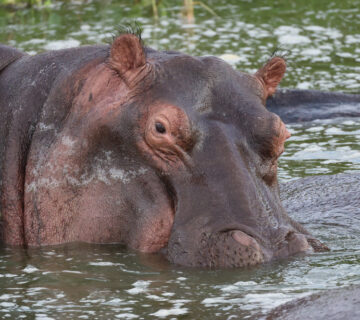
The Kazinga Channel represents one of the highest concentrations of aquatic wildlife in Africa. Connecting Lake George and Lake Edward, this natural waterway supports thousands of hippos, large crocodiles, and an extraordinary density of waterbirds.
The channel’s slow-moving, nutrient-rich waters create ideal feeding conditions, attracting elephants and buffalo to its banks throughout the day. This constant interaction between land and water species makes the Kazinga ecosystem one of Uganda’s most dynamic wildlife zones.
Aquatic Reptiles and Amphibians
Uganda’s lakes support a wide range of reptiles and amphibians that are essential to aquatic food chains. Nile crocodiles regulate fish populations and remove weak or sick animals, helping maintain ecological balance.
Frogs, toads, and other amphibians thrive in wetland environments, serving as indicators of ecosystem health. Their presence reflects clean water, intact vegetation, and stable breeding conditions, making them critical species for monitoring environmental change.
Fish Diversity and Its Impact on Wildlife
Uganda’s lakes host hundreds of fish species, many of which are endemic to specific water bodies. These fish form the foundation of aquatic food webs, supporting birds, reptiles, and mammals.
Fish migrations and spawning cycles influence wildlife behavior along lake shores. Birds time breeding to coincide with fish abundance, while predators patrol shallow waters during peak feeding periods. The health of fish populations directly determines the productivity of surrounding ecosystems.
Birds as the Most Visible Aquatic Wildlife
Birdlife is the most immediately noticeable form of aquatic wildlife in Uganda. Lakeshores and wetlands support an astonishing variety of species, from large waterbirds to delicate papyrus specialists.
Migratory birds from Europe and Asia join resident species seasonally, increasing diversity and creating periods of intense bird activity. These movements highlight Uganda’s global importance within international migratory flyways.
Cultural and Community Connections to Lakes
Uganda’s lakes are deeply woven into cultural and economic life. Fishing, small-scale agriculture, transport, and traditional practices all depend on healthy freshwater systems.
Many communities living near lakes participate in conservation through sustainable fishing, wetland protection, and eco-tourism initiatives. These community-led efforts are vital to balancing human needs with wildlife protection, ensuring long-term sustainability.
Threats to Uganda’s Aquatic Ecosystems
Despite their richness, Uganda’s lakes face increasing pressure. Pollution, invasive species, climate variability, overfishing, and wetland encroachment threaten water quality and wildlife habitats.
Conservation programs focus on wetland restoration, fisheries management, environmental education, and enforcement of protected zones. Long-term protection depends on recognizing lakes as living systems rather than unlimited resources.
Experiencing Uganda’s Lakes Beyond Wildlife Viewing
Uganda’s lakes offer immersive nature experiences that go beyond traditional safaris. Boat excursions, guided wetland walks, birding tours, and lakeside forest hikes allow visitors to engage slowly and respectfully with aquatic environments.
These experiences encourage observation of behavior, sound, and seasonal change, fostering deeper appreciation for ecosystems that often operate quietly but powerfully.
Uganda’s pristine lakes are foundational to the country’s identity, biodiversity, and ecological resilience. They sustain wildlife through droughts, connect habitats across vast landscapes, and support both ancient traditions and modern conservation efforts.
From the immense waters of Lake Victoria to the secluded beauty of crater lakes and wetlands, Uganda’s aquatic ecosystems reveal nature at its most balanced and life-giving. For travelers seeking depth, authenticity, and ecological understanding, Uganda’s lakes offer an essential and unforgettable dimension of the safari experience.