Uganda’s Primate Diversity: From Chimpanzees to Monkeys
Uganda stands out as one of Africa’s richest primate destinations, hosting an extraordinary range of species across its forests, savannas, wetlands, and mountainous regions. With over half of Africa’s primate species found within its borders, the country offers unmatched opportunities to observe chimpanzees, monkeys, and lesser-known primates in their natural habitats. This diversity is the result of Uganda’s unique geography, where Central African rainforests meet East African savannas, creating ideal conditions for primate evolution and survival.
Chimpanzees: Uganda’s Most Celebrated Primates
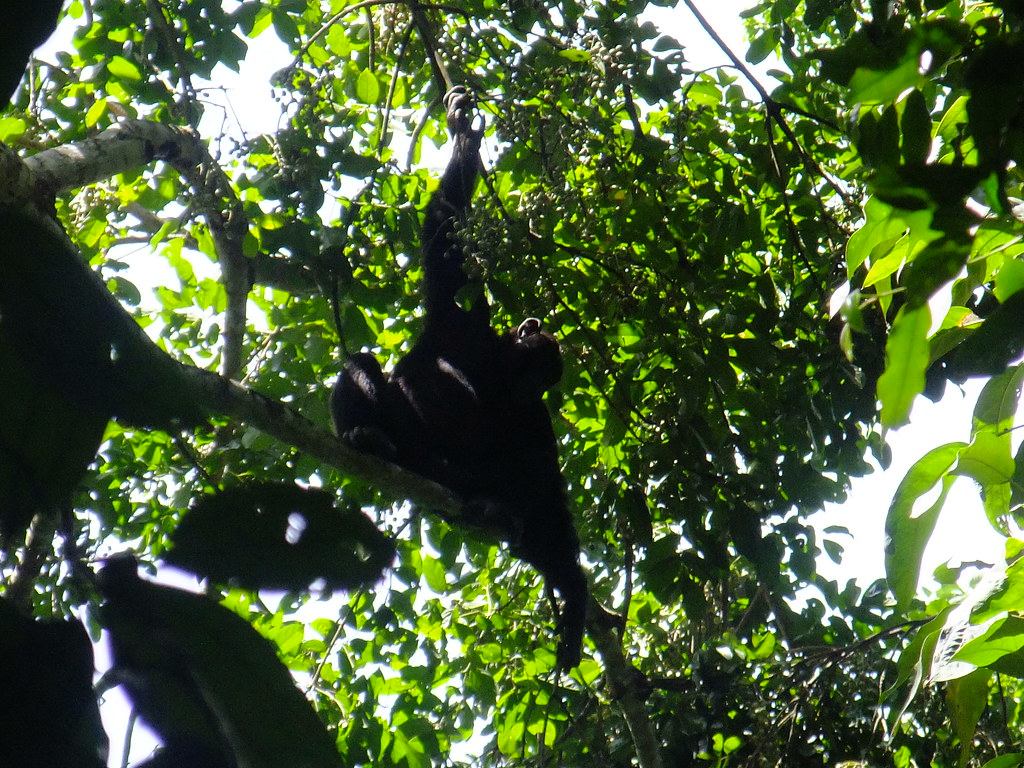
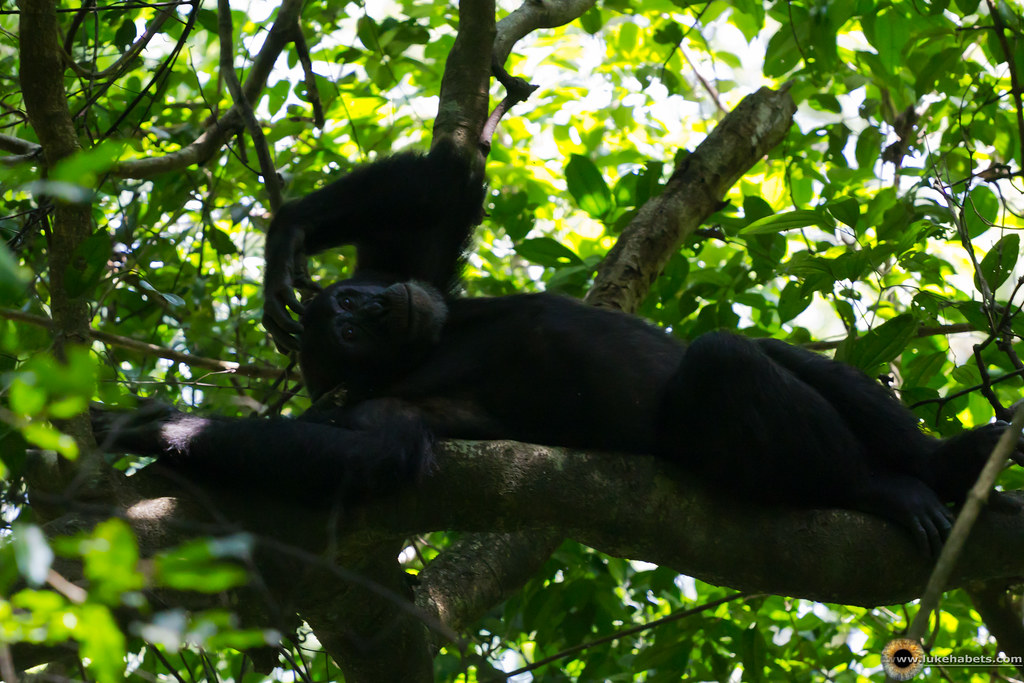
Chimpanzees represent the flagship of Uganda’s primate tourism, drawing researchers, conservationists, and travelers from around the world. These highly intelligent apes share a close genetic relationship with humans and display complex social behavior, tool use, and communication.
Kibale Forest National Park is the most renowned location for chimpanzee tracking, offering high success rates and well-established research programs. Budongo Forest and Kyambura Gorge also provide remarkable chimpanzee encounters, each offering distinct ecological settings. Watching chimpanzees move through the forest canopy, vocalize loudly, and interact socially provides deep insight into primate behavior and forest ecology.
Chimpanzee tourism plays a vital conservation role, funding forest protection, scientific research, and community development while promoting awareness of habitat preservation.
Black-and-White Colobus Monkeys and Forest Specialists
Uganda’s forests are home to striking black-and-white colobus monkeys, easily recognized by their long flowing tails and contrasting fur patterns. These monkeys are highly adapted to forest life, feeding primarily on leaves and moving gracefully through tall trees.
They are commonly seen in Kibale Forest, Queen Elizabeth National Park’s Kyambura Gorge, and Budongo Forest. Their calm demeanor and group behavior make them a favorite for wildlife photography and forest walks. Red colobus monkeys, though more endangered, also inhabit select forest regions, highlighting the importance of conservation-focused tourism.
Red-Tailed Monkeys and Blue Monkeys
Red-tailed monkeys are among Uganda’s most widespread primates, thriving in both dense forests and forest edges. Their adaptability allows them to live close to human settlements, though they depend heavily on intact forest ecosystems for long-term survival.
Blue monkeys, despite their name, display grayish-blue fur tones and are often found in montane and mid-altitude forests such as Bwindi Impenetrable Forest and Mgahinga Gorilla National Park. These monkeys are agile climbers and play a crucial role in seed dispersal, contributing to forest regeneration.
Golden Monkeys of the Virunga Region
Golden monkeys are one of Uganda’s most unique and visually striking primates, found only in the Virunga Mountains. Mgahinga Gorilla National Park is the sole location in Uganda where these endangered monkeys can be tracked.
Their vibrant golden-orange fur and energetic behavior make them a highlight for primate enthusiasts and photographers. Golden monkey tracking complements gorilla trekking experiences, offering insight into how multiple primate species coexist within the same montane ecosystem.
L’Hoest’s Monkeys and Other Rare Species
Uganda’s lesser-known primates add depth to its biodiversity profile. L’Hoest’s monkeys, also known as mountain monkeys, inhabit forested areas near water and are notable for their white beards and ground-foraging behavior. They are primarily found in western Uganda’s forest reserves and national parks.
Other species such as olive baboons and vervet monkeys are more commonly seen in savanna and woodland areas, including Lake Mburo National Park and Queen Elizabeth National Park. These adaptable primates demonstrate remarkable resilience and social complexity, often living in large troops with defined hierarchies.
Primate Habitats Across Uganda
Uganda’s primate diversity is closely linked to its varied habitats. Tropical rainforests like Kibale and Budongo support high species richness, while montane forests in Bwindi and Mgahinga host endemic and altitude-adapted primates. Riverine forests and woodland corridors allow species to move between ecosystems, maintaining genetic diversity and population stability.
Savanna parks with forest patches also support several monkey species, illustrating how primates adapt to mixed landscapes and seasonal changes.
Conservation and the Role of Primate Tourism
Primate conservation in Uganda relies heavily on responsible tourism. Permit-based tracking, strict visitor guidelines, and trained guides ensure minimal disturbance while generating funding for habitat protection and research. Community involvement through employment and revenue-sharing strengthens local support for conservation initiatives.
Challenges such as habitat loss, disease transmission, and human-wildlife conflict remain, but Uganda’s integrated conservation model has proven effective in protecting its primate populations.
The Primate Experience for Travelers
Experiencing Uganda’s primates goes beyond sightings. Forest walks reveal the intricate relationships between primates, plants, and other wildlife. Listening to chimpanzee calls echo through the forest or watching monkeys leap through the canopy creates a profound connection to nature that defines Uganda’s primate encounters.
Uganda’s primate diversity reflects the country’s ecological richness and conservation success. From the intelligence of chimpanzees to the agility of monkeys and the rarity of golden monkeys, Uganda offers one of the most comprehensive primate experiences in Africa. For travelers seeking meaningful wildlife encounters rooted in conservation and authenticity, Uganda remains a premier destination where primates truly thrive.