Uganda’s Big Mammals: Elephants, Hippos, and Buffalo
Uganda’s reputation as a premier safari destination is strongly tied to the presence of its largest land and water mammals. Elephants, hippopotamuses, and African buffalo are not only among the most visually impressive animals found in the country, but they are also keystone species whose daily movements shape landscapes, influence other wildlife, and sustain entire ecosystems. Encountering these giants in Uganda offers a deeper understanding of how African wilderness truly functions.
The Ecological Importance of Uganda’s Big Mammals
Uganda’s big mammals play a foundational role in maintaining ecological balance. Elephants alter vegetation structure, hippos fertilize waterways, and buffalo regulate grassland growth. Without these species, many of Uganda’s savanna and river ecosystems would change dramatically, affecting everything from birdlife to predator populations.
Their presence is a clear indicator of healthy habitats, sufficient water sources, and effective conservation management within Uganda’s national parks and wildlife reserves.
Elephant Migration and Social Behavior in Uganda
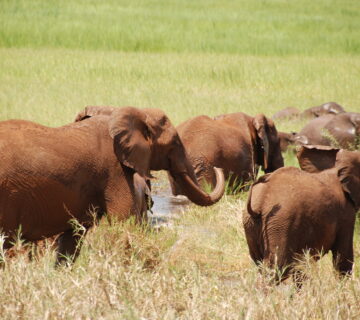
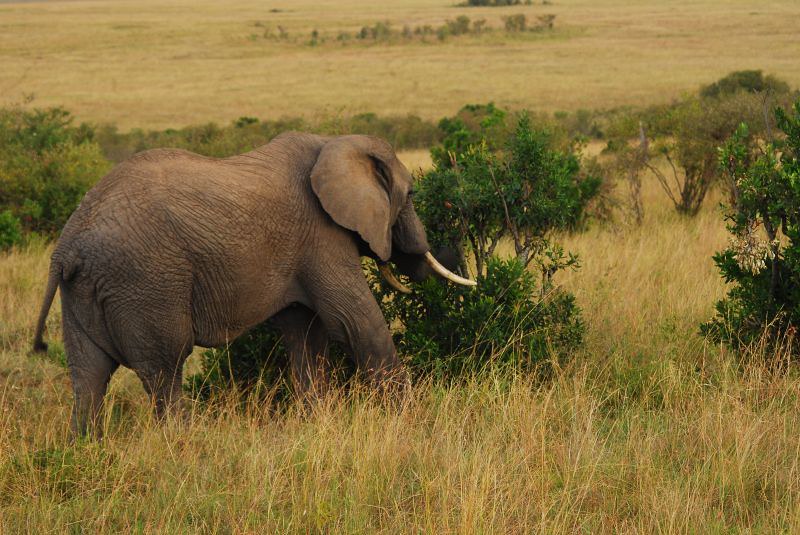
Elephants in Uganda are highly mobile and deeply social animals, moving across large landscapes in response to seasonal rainfall, vegetation growth, and water availability. In parks such as Queen Elizabeth and Murchison Falls, elephants often follow ancient migration routes that connect feeding grounds, river systems, and forest edges.
Family herds are led by matriarchs whose experience determines survival during dry seasons. Young elephants learn essential skills such as foraging, navigation, and social communication by observing older members. Bulls, on the other hand, may roam alone or form small bachelor groups, especially during mating periods.
These complex social structures make elephant sightings particularly engaging, as visitors often witness interactions such as greeting rituals, protective behavior toward calves, and coordinated group movement.
Hippos and the Life of Uganda’s Rivers
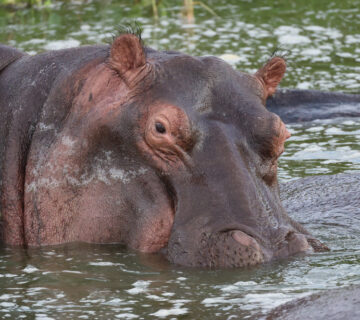
Uganda hosts one of the largest hippo populations in East Africa, with major concentrations along the Nile, Kazinga Channel, Lake George, and Lake Edward. Hippos spend daylight hours submerged to prevent dehydration and sunburn, often packed closely together in deep pools and channels.
At night, they travel several kilometers inland to graze, creating visible paths that link water bodies to grasslands. These trails influence plant growth and soil structure, while their dung enriches aquatic systems with nutrients that support fish, insects, and birdlife.
Hippos are also a critical food source within the ecosystem, supporting scavengers and predators indirectly through nutrient cycling. Despite their herbivorous diet, they are highly territorial in water, making respectful viewing from boats and riverbanks essential.
Buffalo Herd Dynamics and Predator Interactions
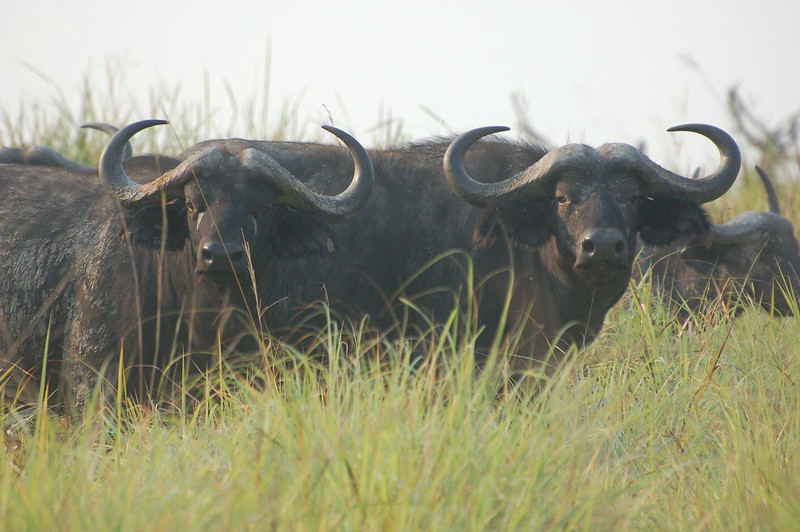
African buffalo in Uganda are known for their resilience, cooperation, and unpredictability. They form large herds for protection, sometimes merging into massive groups during dry seasons when water sources are limited.
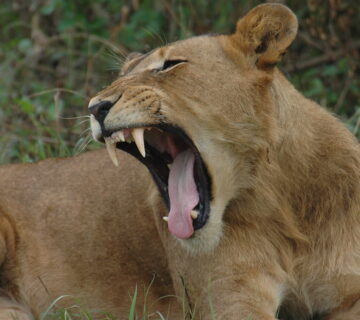
Buffalo are a primary prey species for lions, especially in Queen Elizabeth and Murchison Falls National Parks. However, unlike many herbivores, buffalo often stand their ground, forming defensive circles and actively counterattacking predators. These interactions create some of the most dramatic wildlife scenes in Uganda.
Older bulls that leave breeding herds often inhabit swampy or wooded areas, contributing to gene flow across landscapes and supporting vegetation control in less accessible habitats.
Seasonal Patterns and Big Mammal Sightings
Seasonality plays a significant role in how and where big mammals are seen in Uganda. During dry seasons, elephants, buffalo, and hippos concentrate around permanent water sources, making sightings more predictable and photography conditions ideal.
In wetter months, animals disperse widely as grass and water become abundant. While this can make sightings less concentrated, it offers opportunities to observe animals in lush landscapes, engaging in breeding behavior and nurturing young calves.
Understanding these seasonal patterns helps wildlife lovers appreciate the rhythms of Uganda’s ecosystems rather than focusing solely on density of sightings.
Human–Wildlife Coexistence and Conservation
As human populations grow, coexistence with large mammals becomes increasingly complex. Elephants may raid crops, hippos can damage farmland near waterways, and buffalo sometimes compete with livestock for grazing.
Uganda’s conservation strategy emphasizes community involvement, wildlife corridors, compensation mechanisms, and education programs. Tourism revenue supports these efforts by funding ranger patrols, research, and community development projects that reduce conflict and encourage local stewardship of wildlife.
Protected areas alone are not enough; the survival of big mammals depends on landscapes beyond park boundaries, where conservation and livelihoods must work together.
Experiencing Big Mammals Beyond Game Drives
Uganda offers multiple ways to experience its largest mammals, adding depth beyond traditional vehicle safaris. Boat cruises provide close yet safe encounters with hippos and elephants along rivers and channels. Walking safaris in select parks allow visitors to observe buffalo behavior from a controlled distance, guided by armed rangers and expert trackers.
These varied perspectives encourage slower, more thoughtful wildlife observation, helping visitors understand behavior, habitat use, and ecological relationships.
The Role of Big Mammals in Uganda’s Safari Identity
Elephants, hippos, and buffalo define the character of Uganda’s safari experience. Their presence reinforces the country’s image as a destination where wilderness still feels vast, raw, and interconnected. Unlike more commercialized safari circuits, Uganda offers encounters that feel intimate and unscripted, shaped by natural movement rather than fixed routes.
For wildlife lovers, these mammals represent strength, endurance, and the enduring power of nature, making every encounter meaningful rather than merely visual.
Uganda’s big mammals are living symbols of ecological balance and conservation success. Elephants reshape landscapes, hippos sustain aquatic life, and buffalo anchor savanna ecosystems through sheer resilience. Observing them in Uganda’s national parks is not just about ticking species off a list, but about witnessing the processes that keep nature alive.
For travelers seeking deeper wildlife understanding, Uganda offers a rare opportunity to experience Africa’s giants within functioning ecosystems where conservation, community, and wilderness remain closely intertwined.