
Uganda’s Big Cats: Lions, Leopards, and Their Habitats
Uganda is one of Africa’s most underrated destinations for big cat encounters. While the country is globally celebrated for mountain gorillas and chimpanzees, its lions and leopards thrive across diverse savanna and woodland ecosystems, offering exceptional wildlife viewing and photography opportunities. From tree-climbing lions in the southwest to elusive leopards stalking prey under cover of darkness, Uganda’s big cats reveal a fascinating story of adaptation, survival, and conservation.
Lions in Uganda’s Wilderness
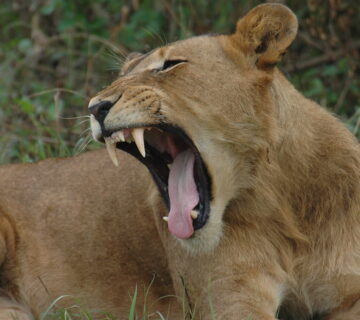
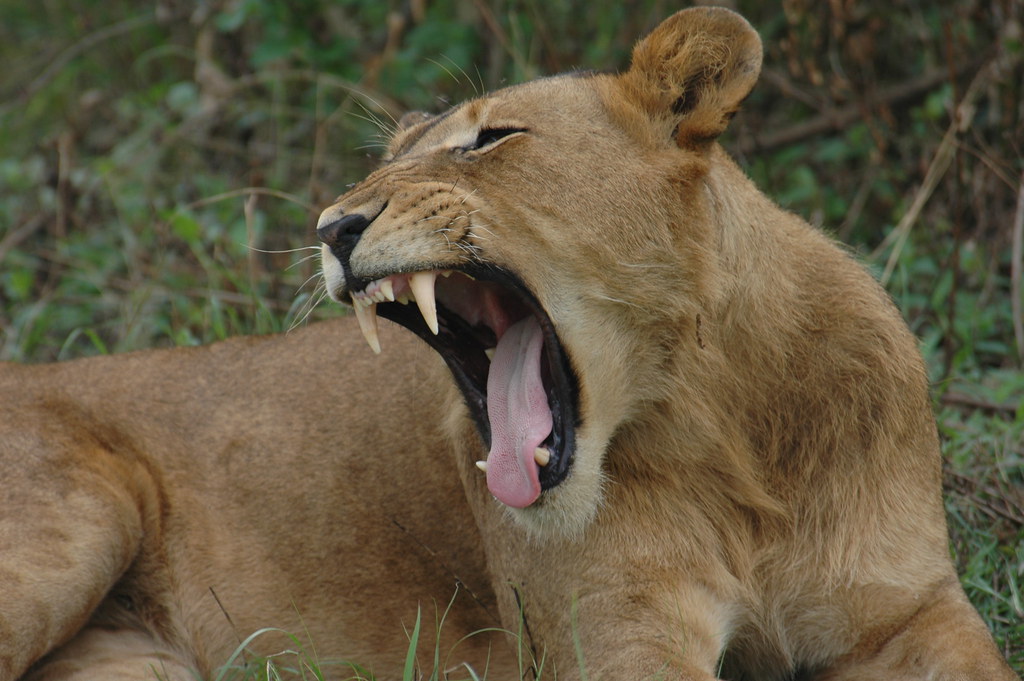
Lions in Uganda are uniquely adapted to varied landscapes, ranging from open savannas to acacia woodlands and floodplains. They are most famously found in Queen Elizabeth National Park, where the Ishasha sector hosts the iconic tree-climbing lions. These lions rest in fig and acacia trees during the day, a behavior believed to help them avoid insects, escape ground heat, and gain vantage points over prey.
In Murchison Falls National Park, lions roam vast grasslands north of the Nile, often seen resting near water sources or hunting Uganda kob, buffalo, and warthogs. Kidepo Valley National Park also supports a healthy lion population, with prides frequently observed against dramatic mountain backdrops, making it one of the most photogenic lion habitats in East Africa.
Lions in Uganda tend to be less habituated than those in more crowded safari destinations, resulting in more natural behavior and authentic sightings, especially during early morning and late afternoon game drives.
Leopards: Uganda’s Most Elusive Predators
Leopards are widespread but notoriously difficult to spot, earning them a reputation as the most secretive of Uganda’s big cats. Their adaptability allows them to survive in a wide range of habitats, including savannas, riverine forests, woodland edges, and even mountainous regions.
Queen Elizabeth National Park is one of the best places to see leopards, particularly around the Kasenyi Plains and Mweya Peninsula. Murchison Falls National Park also offers excellent leopard sightings, especially during night game drives when these nocturnal hunters are most active. In Kidepo Valley, leopards are present but highly elusive, often using rocky outcrops and dense vegetation as cover.
Leopards rely on stealth rather than strength, ambushing prey such as antelopes, monkeys, and birds. Their spotted coats provide perfect camouflage, blending seamlessly into dappled light and shadow, which makes each sighting a memorable achievement.
Key Habitats Supporting Uganda’s Big Cats
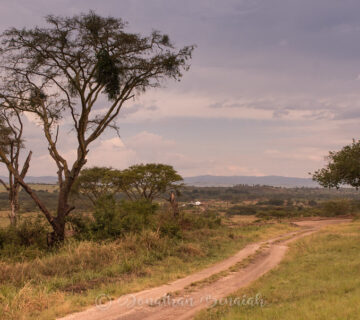
Savanna grasslands form the backbone of Uganda’s big cat territories, offering abundant prey and open visibility for hunting. Parks like Murchison Falls and Queen Elizabeth are dominated by these ecosystems, which support complex predator-prey relationships.
Woodlands and thickets provide essential cover for stalking and resting, particularly for leopards. Riverine forests along the Nile and Kazinga Channel attract prey species and offer shade, making them prime hunting grounds. In Kidepo Valley, rugged terrain and semi-arid landscapes create isolated habitats where big cats thrive with minimal human disturbance.
Seasonal wetlands also play a role, drawing herbivores during dry periods and indirectly supporting predator populations. These shifting environments influence hunting strategies and movement patterns throughout the year.
Best Time to See Lions and Leopards in Uganda
Dry seasons offer the best conditions for big cat sightings, typically from June to September and December to February. During these months, vegetation is thinner, animals congregate near water sources, and visibility improves significantly.
Early mornings and late afternoons are the most productive times, as lions and leopards are more active during cooler hours. Night game drives, where permitted, dramatically increase the chances of seeing leopards on the hunt.
Conservation Challenges and Protection Efforts
Uganda’s big cats face ongoing threats from habitat loss, human-wildlife conflict, and prey depletion. However, strong conservation initiatives led by Uganda Wildlife Authority and partner organizations have helped stabilize lion and leopard populations in key parks.
Community-based conservation programs play a crucial role, educating local populations and promoting coexistence through tourism benefits and compensation schemes. Responsible tourism directly supports these efforts by funding anti-poaching patrols and habitat protection.
Big Cats and Wildlife Photography
Uganda offers exceptional opportunities for ethical big cat photography. Lower vehicle density compared to other safari destinations allows photographers to capture natural behavior without crowd pressure. Golden-hour light, dramatic landscapes, and fewer obstructions make Uganda ideal for both amateur and professional photographers.
Patience is essential, especially for leopard photography, but the reward is often intimate, undisturbed encounters that tell powerful wildlife stories.
Uganda’s lions and leopards represent the wild heart of the country’s savannas and forests. From tree-climbing lions in Ishasha to shadowy leopards along the Nile, these big cats thrive in landscapes shaped by water, prey, and time. For travelers seeking authentic, uncrowded, and conservation-focused safari experiences, Uganda stands out as a remarkable destination to witness Africa’s iconic predators in their natural habitats.