Uganda Wildlife Facts Every Tourist Should Know
Uganda is renowned for its extraordinary biodiversity, hosting over 345 species of mammals, more than 1,000 bird species, and countless reptiles, amphibians, and insects. For tourists planning safaris, nature walks, or primate trekking adventures, understanding key wildlife facts enhances the experience and promotes responsible tourism. From iconic mountain gorillas to elusive big cats, Uganda offers unforgettable encounters across diverse ecosystems.
Mountain Gorillas: Uganda’s Iconic Primates
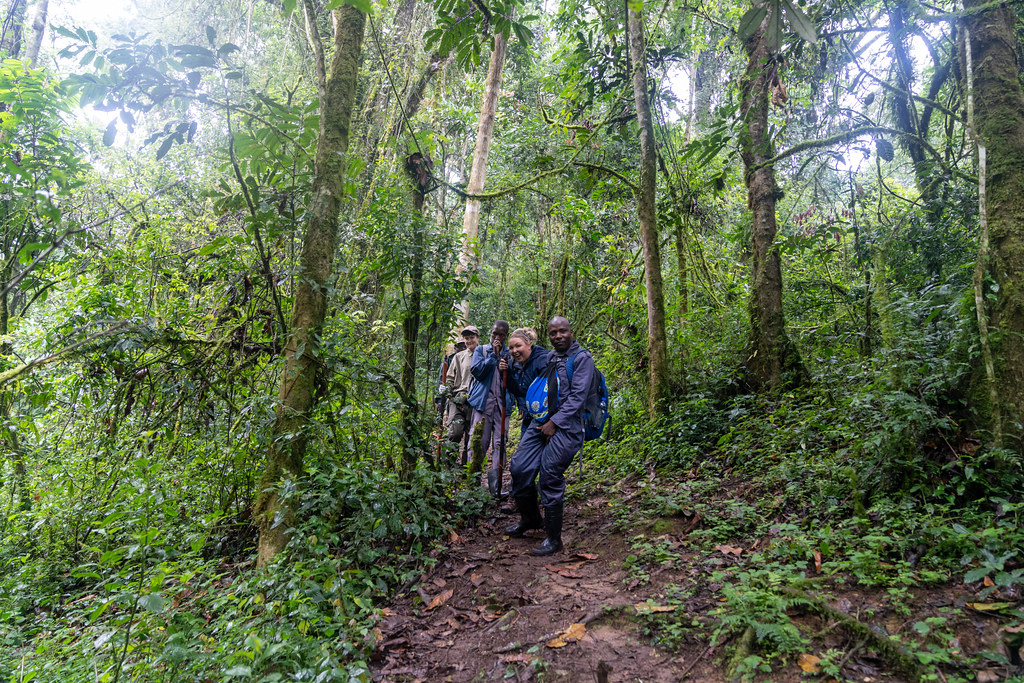
Uganda is home to approximately half of the world’s remaining mountain gorilla population, primarily found in Bwindi Impenetrable Forest and Mgahinga Gorilla National Park. These primates live in small family groups led by a dominant silverback, and each gorilla group has been habituated to human presence to allow safe trekking. Mountain gorillas are herbivorous, feeding on leaves, stems, and bamboo shoots, and spend much of the day foraging and resting. Trekking permits are required to visit them, and interactions are strictly regulated to protect their health and natural behavior.
Chimpanzees: Intelligent Forest Residents
Uganda hosts several habituated chimpanzee communities, especially in Kibale Forest National Park and Budongo Forest Reserve. Chimpanzees display remarkable intelligence, including tool use, social grooming, and vocal communication. They live in fission-fusion societies, where group sizes fluctuate daily. Visitors can observe them foraging, playing, and nesting while learning about conservation efforts that protect these endangered primates.

Big Five and Other Mammals
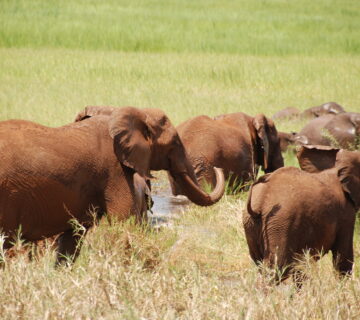
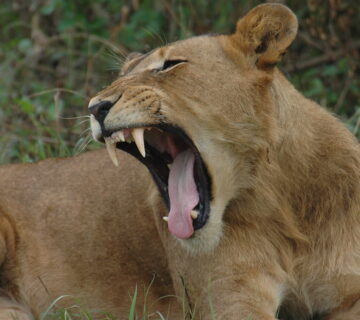
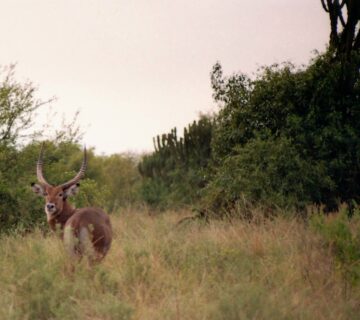
While Uganda does not have the full Big Five in the same sense as southern Africa, it still offers exceptional wildlife viewing. Lions, leopards, elephants, buffalo, and rhinoceros can be found in various national parks. Murchison Falls National Park is notable for elephants and lions, while Ziwa Rhino Sanctuary provides a safe haven for the country’s limited white rhino population. Lake Mburo, Queen Elizabeth, and Kidepo Valley National Parks offer sightings of giraffes, hippos, zebras, and diverse antelope species, often in picturesque savannah or wetland settings.
Birds and Wetland Wildlife
Uganda is a birdwatcher’s paradise, hosting over 1,000 species including the rare shoebill stork, African fish eagle, and grey crowned crane. Wetlands, such as Mabamba Swamp, Lutembe Bay, and the Kazinga Channel, support abundant waterbirds, hippos, and crocodiles. Bird migration peaks between October and April, providing opportunities to witness thousands of migratory species across lakes and floodplains.
Unique Species and Conservation Successes
Uganda is notable for rare and endemic species beyond primates and large mammals. Colobus monkeys, golden monkeys in Mgahinga, pangolins, servals, and various amphibians thrive in forested and montane ecosystems. Conservation projects, including anti-poaching patrols, habitat restoration, and community-based tourism, have helped stabilize populations of gorillas, rhinos, and elephants, making Uganda a model for sustainable wildlife protection.
Habitat Diversity
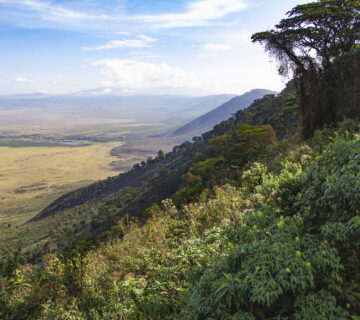
Uganda’s wildlife is spread across diverse habitats: montane forests in Bwindi and Mgahinga, tropical rainforests in Kibale, savannah and floodplains in Queen Elizabeth, and remote wilderness in Kidepo Valley. Each habitat supports distinct species and ecosystems, creating varied experiences for visitors. Understanding where species are most likely to be found helps tourists plan their safari itineraries effectively.
Safety and Ethical Guidelines
Tourists should always observe wildlife safely and responsibly. Key guidelines include maintaining distance, following ranger instructions, avoiding loud noises or sudden movements, not feeding animals, and using masks when required during primate encounters. These measures protect both visitors and wildlife and ensure sustainable tourism practices.
Fun Facts for Tourists
Mountain gorillas can weigh over 200 kilograms, and silverbacks can live up to 35–40 years in the wild. Chimpanzees share about 98% of their DNA with humans, displaying behaviors reminiscent of human social structures. Uganda’s shoebill stork is one of the world’s most prehistoric-looking birds, often standing motionless for hours while hunting. Hippos, abundant in rivers and lakes, are among Africa’s most dangerous mammals due to territorial behavior, despite their docile appearance.
Enhancing Your Uganda Safari Experience
Knowing key wildlife facts enhances every safari or trekking adventure in Uganda. Awareness of species’ habits, habitats, and conservation status allows tourists to engage responsibly, appreciate the ecological significance of Uganda’s biodiversity, and maximize memorable wildlife encounters. From primates and big mammals to rare birds and wetland inhabitants, Uganda offers a rich tapestry of life waiting to be explored ethically and safely.