Uganda National Parks: Best Spots for Wildlife Photography
Uganda, famously called the Pearl of Africa, offers some of the most spectacular wildlife photography opportunities in Africa. Its national parks feature a diverse range of ecosystems—tropical rainforests, savannas, wetlands, mountains, and lakeshores—allowing photographers to capture everything from mountain gorillas and chimpanzees to the Big Five and rare bird species. The country’s unique combination of biodiversity, conservation efforts, and scenic landscapes makes it a premier destination for wildlife enthusiasts and professional photographers alike.
Queen Elizabeth National Park
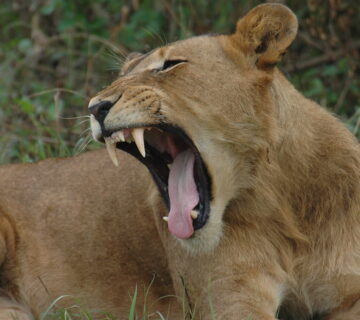
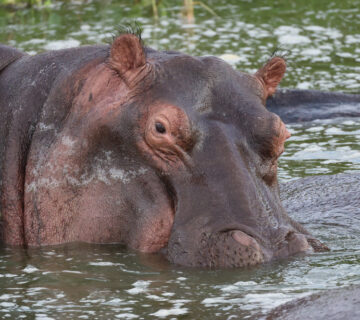
Queen Elizabeth National Park is ideal for capturing both savanna and riverine wildlife. Lions, leopards, elephants, buffalo, and antelopes roam the savannas, while the Kazinga Channel hosts hippos, crocodiles, and hundreds of bird species. The park’s Ishasha sector, famous for its tree-climbing lions, offers rare photographic moments. Visitors can also photograph stunning sunsets over the savanna and the Kazinga Channel, adding depth and color to wildlife shots.
Photography Tips
-
Early morning and late afternoon drives offer optimal lighting and increased wildlife activity.
-
Telephoto lenses are crucial for photographing predators and distant animals safely.
-
Boat safaris along the Kazinga Channel provide unique river perspectives and opportunities to capture waterbirds in flight.
Bwindi Impenetrable Forest
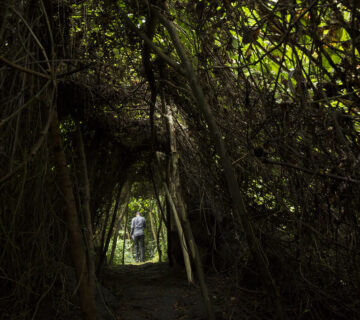
Bwindi is a prime destination for primate photography, particularly mountain gorillas. Its dense, misty forests provide natural frames for gorilla portraits, capturing intimate interactions such as grooming, playing, and family bonding. In addition, the forest hosts over 350 bird species, offering opportunities for colorful bird photography alongside primates.
Photography Tips
-
Use fast lenses with wide apertures to handle low-light conditions under the canopy.
-
Maintain a safe distance from gorillas, following guides’ instructions, while capturing expressive shots.
-
Include environmental elements such as mist, forest trails, and ferns to provide context and scale.
Murchison Falls National Park
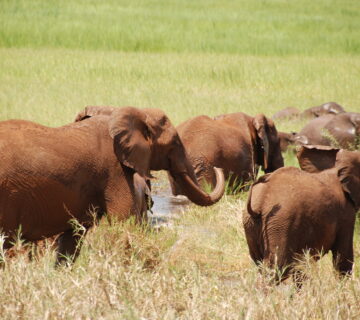
Murchison Falls combines dramatic landscapes with abundant wildlife, including elephants, lions, buffalo, giraffes, and crocodiles. The Nile River and its falls create a spectacular backdrop for wildlife photography, providing opportunities for both wide-angle scenic shots and close-up animal portraits.
Photography Tips
-
Golden hours (sunrise and sunset) enhance color saturation and create dramatic shadows.
-
Include water reflections to add artistic depth to wildlife shots.
-
Wide-angle lenses work well for capturing expansive landscapes and herds in open plains.
Kidepo Valley National Park
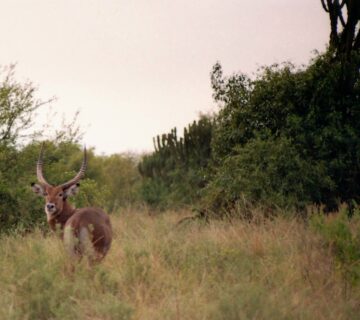
Kidepo Valley offers a remote, rugged landscape with minimal human interference, ideal for photographing lions, elephants, buffalo, and elusive leopards. Walking safaris allow photographers to explore up-close perspectives of smaller mammals, birds, and natural behaviors that are often missed on vehicle drives.
Photography Tips
-
Patience is key for photographing shy or nocturnal species.
-
Telephoto lenses help capture wildlife from safe distances in open savannas.
-
Low-angle shots can emphasize the vastness of the plains and provide dynamic compositions.
Mgahinga Gorilla National Park
Mgahinga offers opportunities to photograph mountain gorillas and golden monkeys in scenic montane forests against the backdrop of the Virunga Volcanoes. Trails through mossy forests and volcanic slopes provide unique settings for capturing primates in action.
Photography Tips
-
Fast shutter speeds are essential for photographing golden monkeys in motion.
-
Include volcanic peaks and misty valleys to contextualize wildlife shots.
-
Focus on interactions within gorilla families to capture expressive, intimate moments.
Additional Prime Locations
-
Mabamba Swamp: Ideal for photographing the rare shoebill stork, along with kingfishers, herons, and marsh birds.
-
Lake Mburo National Park: Wetlands and savannas attract egrets, African jacanas, and other waterbirds, perfect for avian photography.
-
Rwenzori Mountains: High-altitude birdwatching combined with mountain scenery allows capturing endemic species like Rwenzori turaco in dramatic settings.
-
Budongo Forest Reserve: Dense rainforest offers opportunities to photograph chimpanzees and rare forest birds.
Photography Gear Essentials
-
Telephoto and wide-angle lenses for versatility.
-
Tripod for stability during low-light forest or sunrise/sunset shots.
-
Binoculars for spotting distant wildlife.
-
Rain covers and waterproof gear for tropical forest conditions.
-
Extra batteries and memory cards for extended fieldwork.
Ethical Wildlife Photography
-
Maintain safe distances from all animals to avoid disturbing them.
-
Avoid using flash, particularly with primates and nocturnal species.
-
Respect park regulations and wildlife behavior to ensure both personal safety and conservation compliance.
Tips for Maximizing Your Wildlife Photography Experience
-
Plan visits during dry seasons (June–August, December–February) for easier access and clearer visibility.
-
Hire experienced local guides for insights into animal behavior and the best photo locations.
-
Combine wildlife photography with cultural and ecological tours to capture diverse aspects of Uganda’s natural heritage.
-
Consider multi-day safaris to increase the likelihood of observing rare and elusive species.
Uganda’s national parks provide a diverse and unparalleled wildlife photography experience. From intimate gorilla encounters in Bwindi and Mgahinga to Big Five sightings in Queen Elizabeth and Murchison Falls, photographers can capture both iconic and rare species in stunning natural landscapes. With preparation, ethical practices, and the right equipment, Uganda is a photographer’s paradise, offering every opportunity to document the extraordinary beauty and biodiversity of the Pearl of Africa.