Uganda for First-Time Safari Visitors: Wildlife Essentials
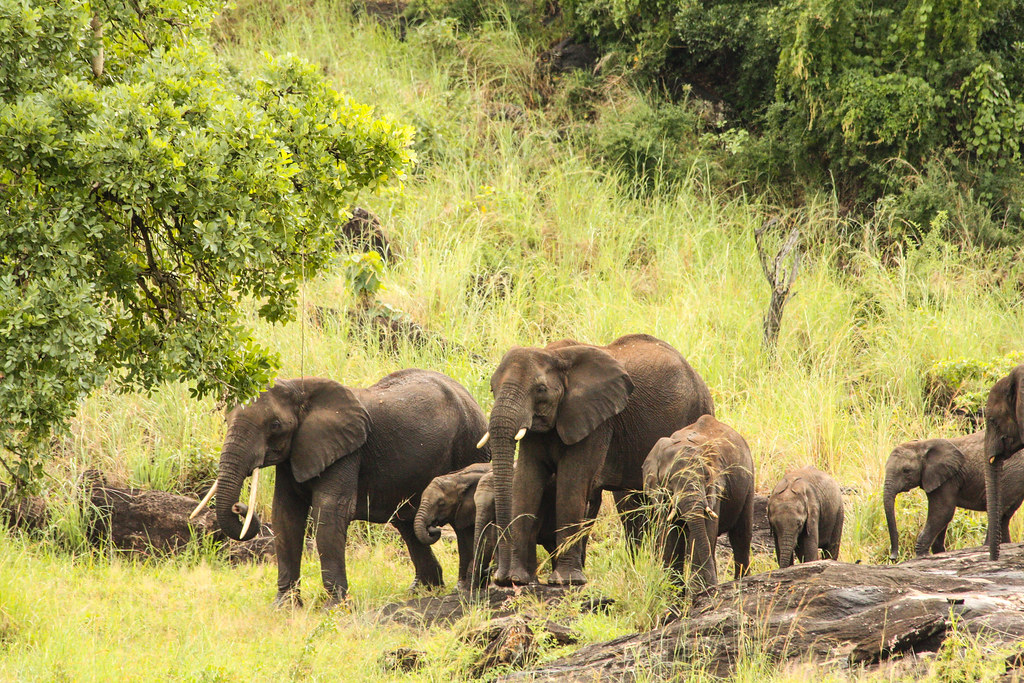
Uganda is a premier safari destination, offering first-time visitors an unparalleled introduction to Africa’s wildlife. With its diverse landscapes, abundant national parks, and iconic species—from mountain gorillas and chimpanzees to lions and elephants—the country provides a variety of wildlife experiences suitable for both seasoned travelers and newcomers. Understanding the essentials of a Ugandan safari ensures that your first trip is safe, comfortable, and maximizes opportunities to witness the country’s rich biodiversity.
Choosing the Right National Parks
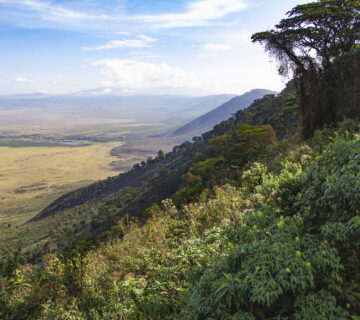
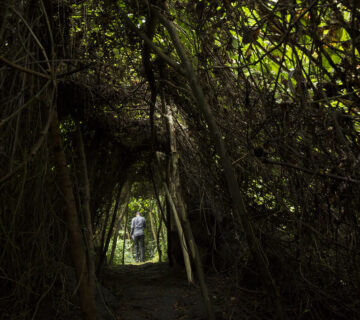
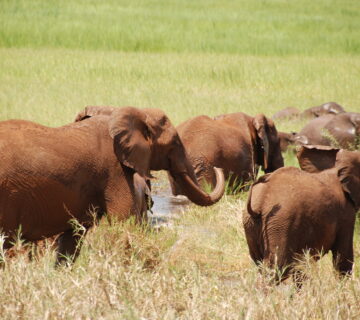
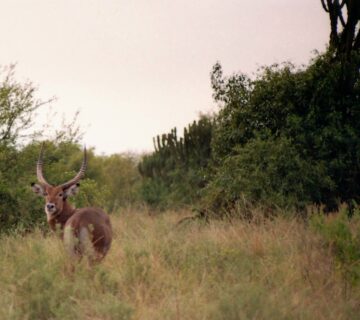
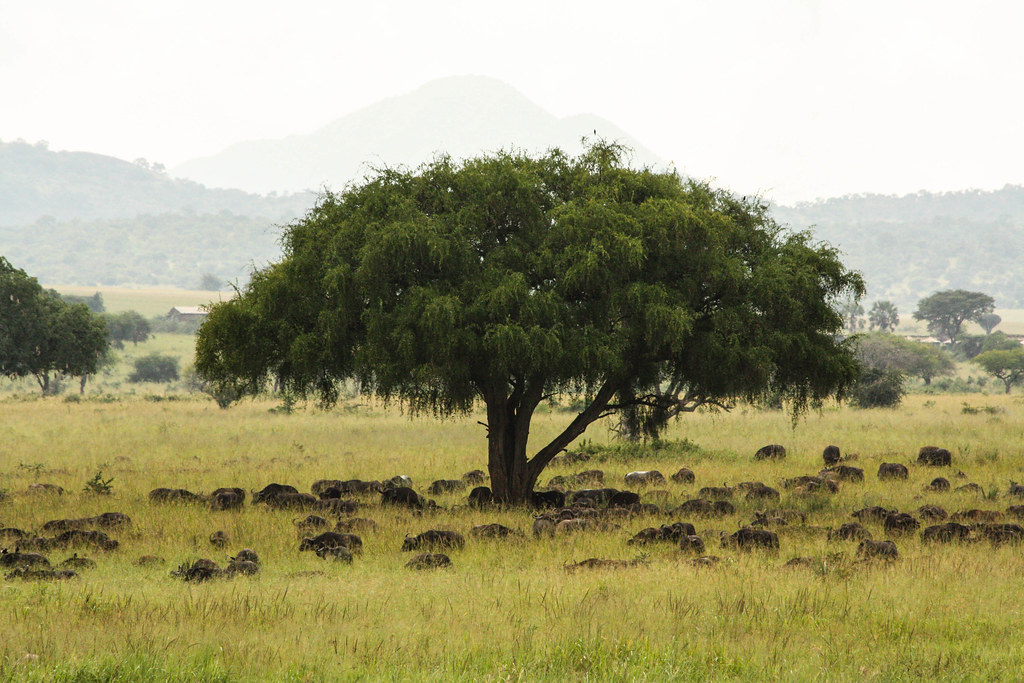
Selecting the right national parks is crucial for first-time visitors, as each park offers unique wildlife experiences. Bwindi Impenetrable Forest and Mgahinga Gorilla National Park provide unforgettable gorilla trekking adventures, while Queen Elizabeth National Park and Murchison Falls National Park showcase big game, including lions, elephants, and buffalo. Kidepo Valley National Park, though more remote, offers untamed wilderness and opportunities to see cheetahs and leopards. For first-timers, combining a mix of forest, savannah, and wetland experiences ensures exposure to Uganda’s full spectrum of wildlife.
Understanding Wildlife Viewing Seasons
Timing your safari affects the type and abundance of wildlife you will see. Uganda has two primary dry seasons—from December to February and June to September—when animals are easier to spot as they congregate around water sources. Wet seasons, while lush and green, can make some trails muddy but offer excellent birdwatching opportunities and active primate behavior. Being aware of seasonal patterns allows first-time visitors to plan excursions that maximize sightings while minimizing travel challenges.
Essential Safari Gear and Preparation
Proper gear enhances both safety and enjoyment during your Uganda safari. Lightweight, neutral-colored clothing helps you blend into the environment, while sturdy boots are essential for forest treks and uneven savannah terrain. Binoculars, a quality camera, and insect repellent improve wildlife observation, while sunscreen, hats, and water bottles ensure comfort during long game drives. First-time safari-goers should also consider travel insurance and necessary vaccinations, especially for tropical regions, to ensure a smooth and worry-free trip.
Understanding Animal Behavior
Learning basic wildlife behavior enhances your safari experience, particularly for first-time visitors unfamiliar with African predators or primates. Observing animals from a safe distance, remaining quiet, and following guides’ instructions ensures both your safety and the animals’ well-being. Knowing when to expect activity—for example, lions at dawn and dusk, gorillas during daylight treks, or hippos emerging in early evening—enables better planning for optimal viewing and photography opportunities.
Guided Experiences for First-Timers
Professional guides are invaluable for first-time safari visitors, offering expertise in tracking, wildlife identification, and park navigation. Guides interpret animal behavior, explain ecological relationships, and ensure visitors stay within safe zones while maximizing encounters. Whether on foot, in vehicles, or by boat, guided experiences provide structure, context, and safety, making wildlife observation more meaningful and educational.
Combining Wildlife Viewing with Cultural Experiences
Integrating cultural encounters enriches a first-time safari, connecting visitors to Uganda’s human communities and traditional ways of life alongside wildlife exploration. Visiting local villages, engaging in community-led conservation projects, or experiencing cultural performances alongside safaris adds depth and perspective to your trip. Understanding the interdependence between wildlife and local communities highlights the importance of conservation and sustainable tourism practices in Uganda.
Preparing for Your First Safari in Uganda
First-time safari visitors in Uganda are rewarded with an extraordinary blend of wildlife, landscapes, and cultural richness, provided they plan thoughtfully and prioritize essential preparation. From choosing the right parks and understanding seasonal patterns to packing suitable gear and engaging professional guides, these essentials ensure a safe, immersive, and unforgettable safari. By approaching Uganda with curiosity, respect, and readiness, newcomers can experience the full spectrum of the country’s natural wonders and leave with memories that last a lifetime.