
Uganda Food Tourism Experiences: A Deep Dive into the Pearl of Africa’s Culinary Heritage
Uganda’s culinary landscape is as diverse and vibrant as its cultures, landscapes, and people. Food tourism in Uganda offers travelers an immersive journey into local flavors, cooking traditions, and cultural practices, allowing a deep understanding of how food connects communities, celebrates heritage, and sustains livelihoods. From traditional village kitchens to bustling urban markets, from lakeside fish feasts to pastoralist meat specialties, Uganda’s cuisine tells a story of history, environment, and identity.
Traditional Ugandan Staples
Staple foods form the backbone of Ugandan cuisine, with regional variations reflecting climate, agriculture, and culture.
Matoke, steamed green bananas, is perhaps the most iconic dish, prepared in a variety of ways. In central Uganda, it is often steamed, mashed, and cooked with peanuts, beans, beef, or a groundnut sauce, creating a hearty and nutritious meal. In western Uganda, matoke is sometimes wrapped in banana leaves and slow-cooked, a method that preserves aroma and flavor.
Posho, a maize or cornmeal porridge, is another staple. Often served with beans, meat stews, or vegetables, it is a versatile accompaniment found across Uganda. In the northern regions, millet and sorghum are used for porridge and traditional breads, while cassava and sweet potatoes dominate in the east, reflecting regional agricultural practices.
Luwombo: Uganda’s Signature Stew
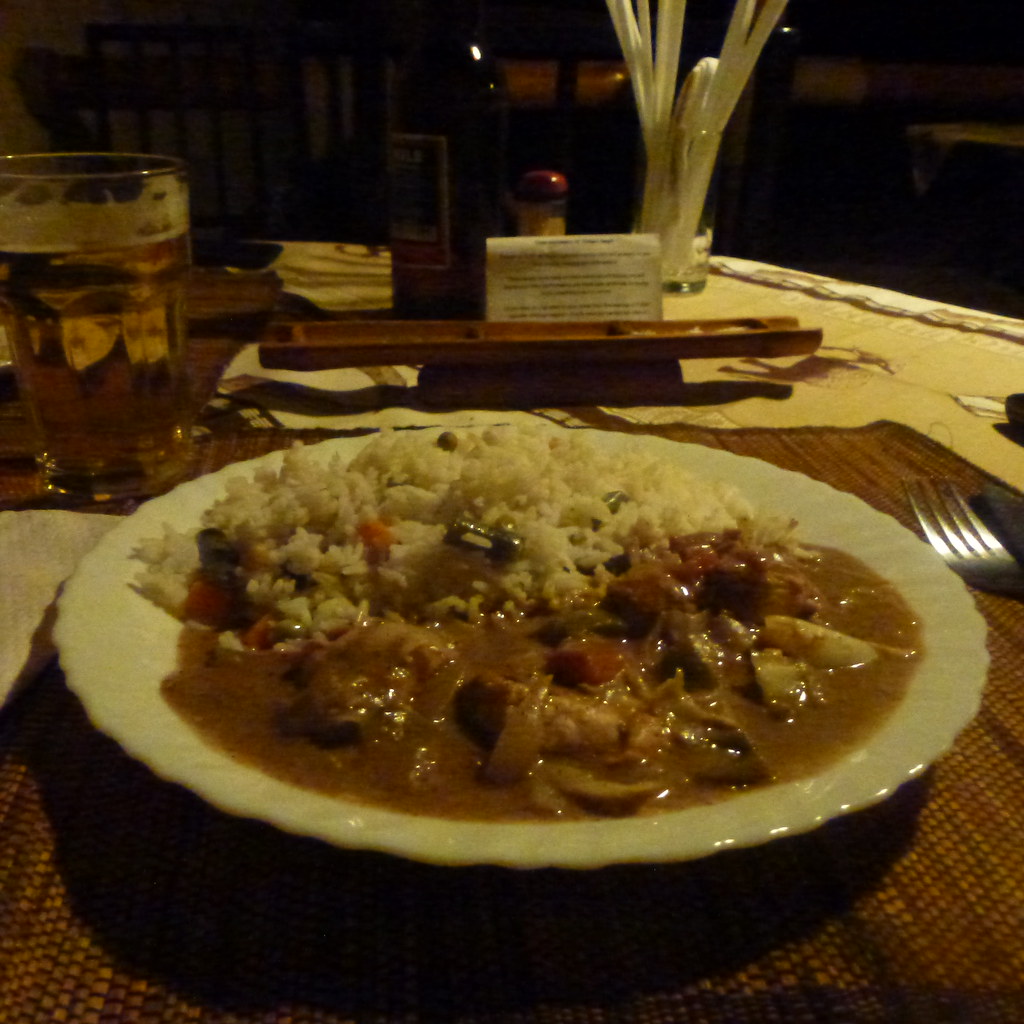
Luwombo is a quintessential Ugandan dish that showcases the art of traditional cooking. Meat, chicken, or vegetables are wrapped in banana leaves and steamed, often with a peanut or groundnut sauce. The steaming method allows the flavors to infuse naturally, creating a rich and aromatic dish. Participating in a luwombo cooking session in a village setting allows travelers to learn traditional wrapping techniques, fire management for steaming, and the communal approach to preparing large meals.
Meat and Pastoralist Specialties
Meat is central to many Ugandan cuisines, particularly in pastoralist regions. Karamoja and Ankole are famous for grilled goat meat (nyama choma) and beef stews, often accompanied by local sauces and starchy staples like posho or cassava. Travelers can visit cattle-keeping communities to witness the herding, slaughtering, and preparation practices, gaining insight into the symbolic and nutritional significance of meat in these societies.
Other meat-based dishes include chicken stews, spiced beef with vegetables, and regional specialties such as Nyama na Kikomando, which pairs beans and fried chapati for a protein-rich meal. Some areas also offer seasonal delicacies like fried termites (nswaa) and grasshoppers (nsenene), which are high in protein and considered a delicacy during harvest seasons.
Fish and Lakeside Culinary Traditions
Uganda’s abundant lakes provide some of the freshest and most flavorful fish in East Africa. Nile perch, tilapia, catfish, and lungfish are staples in lakeside communities. Common preparations include grilling over open flames, frying with local spices, or cooking in banana leaf-wrapped stews. Lakeside towns around Lake Victoria, Lake Bunyonyi, and Lake Albert often offer communal fish feasts, where travelers can participate in preparation, learn local cleaning and filleting techniques, and enjoy meals with traditional accompaniments such as cassava, sweet potatoes, or steamed greens.
Street Food and Urban Flavors
Urban centers in Uganda, particularly Kampala, Entebbe, and Jinja, feature lively street food cultures. Travelers can enjoy freshly grilled maize, rolex (chapati rolled with eggs and vegetables), samosas, fried cassava, and fried sweet potatoes. Snacks like roasted groundnuts, boiled eggs, and fresh fruit juices are common, offering affordable, flavorful, and authentic bites that reflect daily Ugandan life. Street food is not just about sustenance—it is a cultural experience that reveals local tastes, ingenuity, and communal engagement.
Tropical Fruits and Farm-to-Table Experiences
Uganda’s fertile soils produce a bounty of tropical fruits, including mangoes, papayas, pineapples, passion fruits, guavas, and jackfruit. Farm-to-table experiences allow travelers to visit plantations, harvest fruit, and prepare fresh meals or juices. These experiences highlight the link between agriculture, nutrition, and culture, and provide insight into sustainable farming methods that support local communities. Visitors can also explore coffee and tea plantations in western Uganda, learning about production, harvesting, roasting, and brewing techniques while sampling freshly brewed beverages.
Culinary Tourism Experiences
Food tourism in Uganda goes beyond eating—it is interactive and educational. Travelers can participate in village cooking sessions, learn how to prepare staple dishes, and understand the symbolism of food in ceremonies and communal gatherings. Traditional meals are often accompanied by music, dance, and storytelling, emphasizing the cultural significance of sharing food. In urban settings, modern restaurants reinterpret traditional dishes, fusing heritage flavors with contemporary culinary techniques to create gourmet experiences.
Festivals and Culinary Events
Uganda hosts numerous festivals celebrating its culinary heritage. The Kampala Food and Wine Festival, regional harvest festivals, and cultural events showcase local ingredients, traditional cooking methods, and seasonal specialties. Visitors can watch cooking demonstrations, attend workshops, and taste rare delicacies, such as luwombo variations, fish stews, or seasonal insects, providing a full-spectrum culinary experience.
Tips for Food Tourism in Uganda
To enjoy Uganda’s culinary experiences fully: try dishes from different regions, participate in cooking workshops, explore local markets, and taste seasonal specialties. Engage with local chefs and artisans to understand the cultural and historical context of each dish. Respect local dining customs, hygiene practices, and sustainable sourcing methods to ensure ethical and immersive experiences.
Uganda’s food tourism is a window into the nation’s culture, history, and daily life. From traditional staples like matoke, posho, and luwombo to meat specialties, lakeside fish, street food, and tropical fruits, every meal tells a story of community, environment, and creativity. Culinary experiences in Uganda are immersive, educational, and deeply rewarding, offering travelers not just taste but a meaningful connection to the people, traditions, and heritage of the Pearl of Africa.