Traveling During Festivals in Rwanda
How Celebrations Transform the Travel Experience
Traveling during festivals in Rwanda offers visitors a deeper, more human connection to the country. Festivals here are not staged performances for tourists. They are living expressions of identity, unity, conservation, and community pride. When you time your visit to coincide with festivals, Rwanda feels more vibrant, social, and emotionally engaging.
Rather than disrupting travel, festivals often enhance it, adding context and meaning to wildlife safaris, cultural visits, and city stays.
Why Festival Travel Works So Well in Rwanda
Rwanda’s festivals are well organized, safe, and inclusive. Public events follow clear schedules, security remains visible but relaxed, and visitors are welcomed rather than separated. This structure allows travelers to participate comfortably without confusion or risk.
Because Rwanda is compact, festival attendance rarely interferes with safari logistics. You can attend a cultural event in the morning and still reach a national park or lakeside retreat the same day.
Most festival journeys begin in Kigali, where major national events take place.
Kwita Izina – Traveling During the Gorilla Naming Ceremony
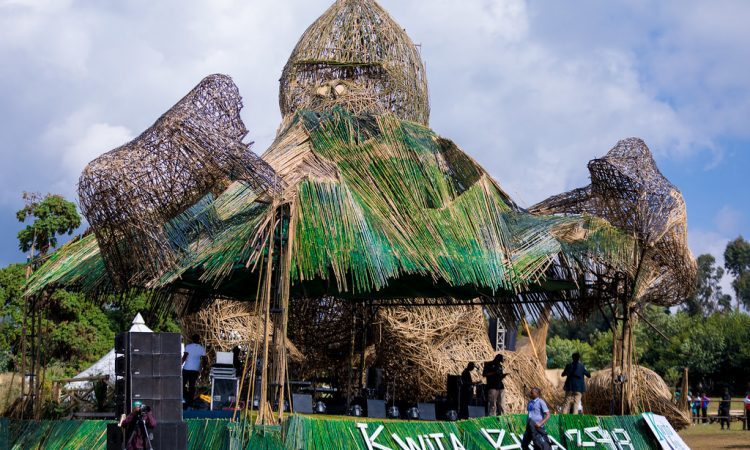
The most internationally recognized Rwandan festival is Kwita Izina, held annually near Volcanoes National Park. This conservation-focused celebration names newborn mountain gorillas and honors the communities and rangers who protect them.
Traveling during Kwita Izina adds emotional depth to gorilla trekking. Visitors gain insight into conservation success, community involvement, and Rwanda’s long-term vision for wildlife protection. The atmosphere feels celebratory yet respectful, blending tradition with global conservation dialogue.
Accommodation near Volcanoes National Park fills quickly during this period, so early planning matters.
Cultural Festivals and Traditional Celebrations
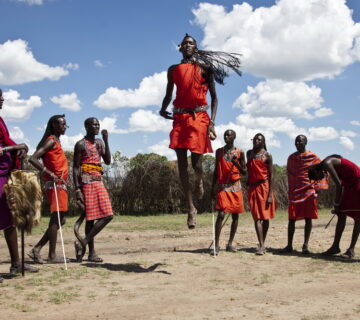
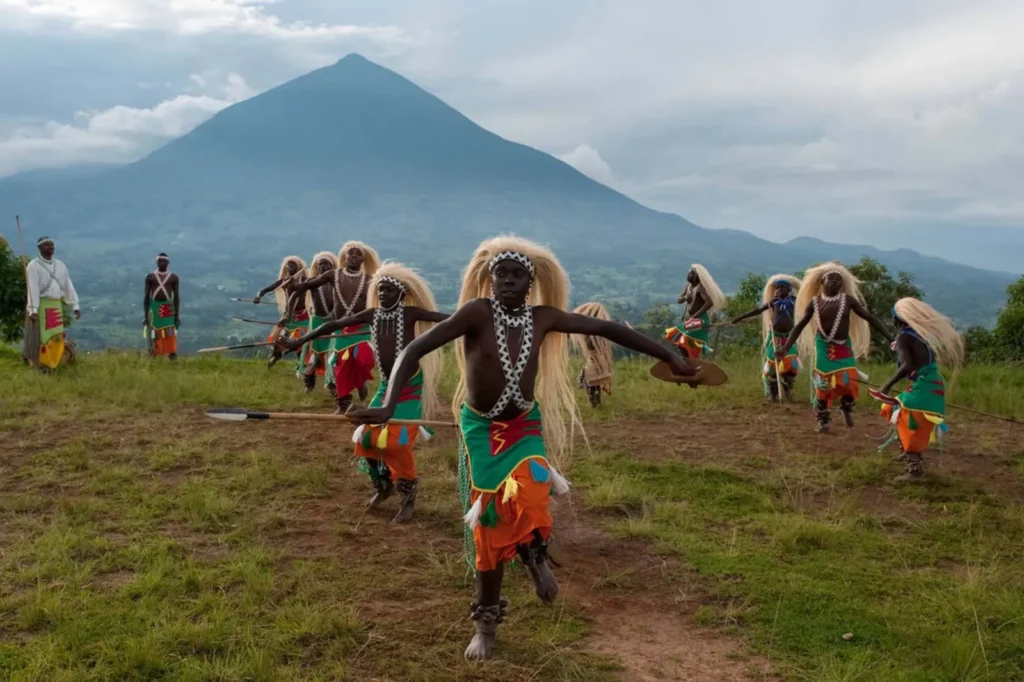
Throughout the year, Rwanda hosts cultural festivals that highlight music, dance, storytelling, and craftsmanship. These events often feature Intore dancers, drumming ensembles, and performances rooted in pre-colonial traditions.
Travelers attending cultural festivals experience Rwanda beyond sightseeing. They witness how history, art, and identity continue to shape modern life. These events often occur in city venues, cultural centers, or community spaces and welcome respectful participation.
Photography and observation are encouraged, but asking permission and following local guidance remains important.
Community and Regional Festivals
Smaller community festivals take place across the country, particularly in rural areas and around lakeside towns such as Lake Kivu. These celebrations may mark harvests, community achievements, or local heritage days.
Traveling during these events offers rare insight into daily life and local pride. The pace feels slower and more personal than large national festivals. Travelers who approach with humility often find themselves invited to observe, share meals, or learn dances.
These moments often become the most memorable parts of a trip.
Festivals and Safari Planning
Festival travel pairs well with safaris when planned intentionally. Major festivals do not close national parks or limit wildlife activities. Gorilla trekking, game drives, and forest walks continue as usual.
In some cases, festivals increase demand for accommodation and transport, especially in Kigali and Musanze. Booking lodges and guides in advance ensures smooth movement during peak periods.
Safari regions like Akagera National Park and Nyungwe Forest National Park often feel quieter during city-based festivals, which can benefit wildlife viewing.
What to Expect as a Visitor During Festivals
Festivals in Rwanda feel organized and respectful. Events follow schedules, crowds remain controlled, and public behavior stays calm. Visitors rarely feel overwhelmed or unsafe.
Dress modestly and comfortably. Cultural attire is appreciated but not required. Observing before participating helps travelers understand boundaries and expectations.
Photography is generally welcome, but always ask before photographing individuals or intimate moments.
Costs and Practical Considerations
Traveling during festivals may slightly increase accommodation prices in popular areas. Transport services remain reliable, though some routes may feel busier near major venues.
Festival entry fees, when applicable, remain reasonable. Many events are free and open to the public, reflecting Rwanda’s inclusive approach to celebration.
Best Time of Year for Festival Travel
Festival dates vary, but major events often occur between May and September. Kwita Izina usually takes place in early autumn. Cultural festivals appear throughout the year, with smaller community events occurring unpredictably.
Flexible travelers benefit most, as spontaneous festivals sometimes emerge around national holidays or local milestones.
Cultural Sensitivity During Festivals
Festivals celebrate unity, heritage, and progress. Visitors should avoid political commentary, insensitive jokes, or intrusive behavior. Listening, observing, and appreciating carry more value than questioning or critiquing.
Participation is welcome when invited. Respect is expected always.
Why Festivals Deepen the Rwanda Experience
Traveling during festivals transforms Rwanda from a destination into a shared experience. It allows visitors to witness pride, resilience, and joy in motion rather than in museums or narratives.
For travelers who want to feel Rwanda rather than simply see it, festivals provide context that no itinerary can replace.
A Journey Timed With Celebration
Traveling during festivals in Rwanda offers color, rhythm, and connection. Whether attending a global conservation ceremony or a small community celebration, visitors experience Rwanda at its most open and expressive.
When travel aligns with celebration, Rwanda reveals not only its landscapes and wildlife, but its heart.