Travel Insurance for Rwanda Safari Goers: What You Must Know Before You Travel
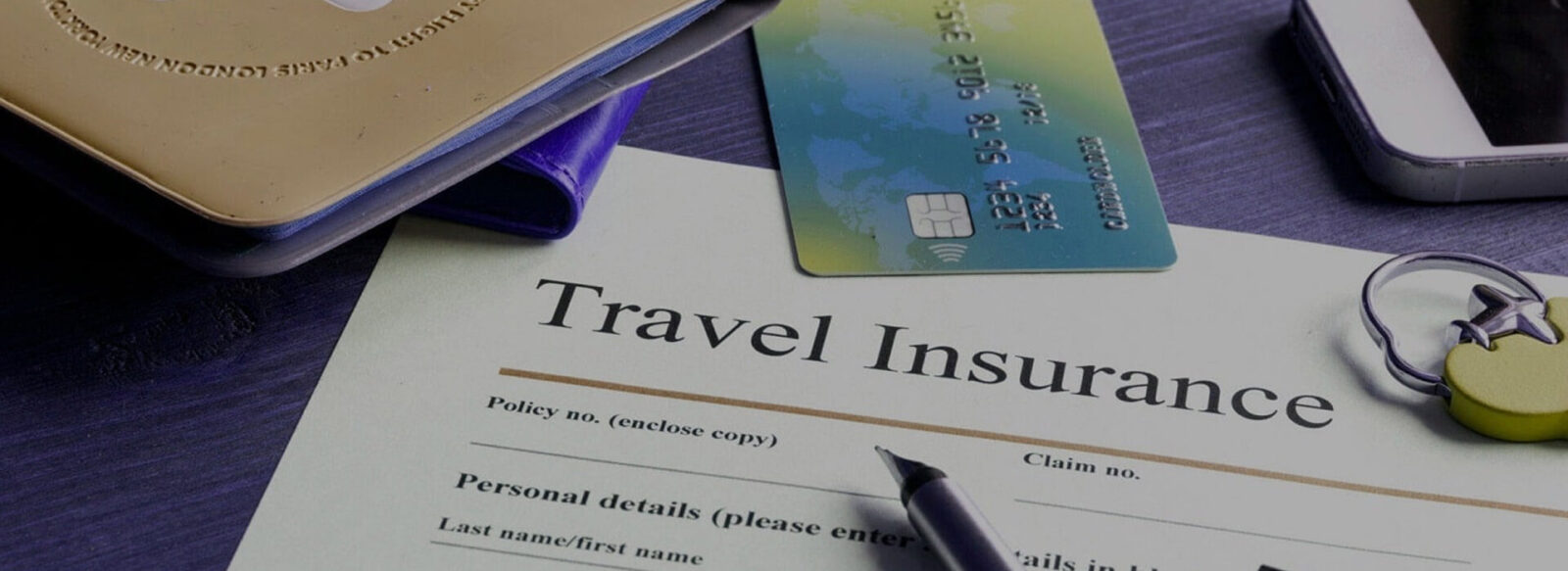
Travel insurance is not optional when planning a safari in Rwanda. Safaris involve remote landscapes, wildlife activities, and strict booking conditions that require proper financial and medical protection. This guide explains why travel insurance matters, what it should cover, and how to choose the right policy for a Rwanda safari.
Why Travel Insurance Is Essential for Rwanda Safaris
Rwanda safaris often take travelers far from major cities into national parks and mountainous terrain. Gorilla trekking, chimpanzee tracking, and game drives require reliable medical and evacuation coverage. Travel insurance protects you against unexpected medical emergencies, trip disruptions, and financial losses. Many tour operators and lodges expect travelers to hold valid insurance before participating in high-risk activities.
Does Rwanda Require Travel Insurance?
Rwanda does not legally require proof of travel insurance for entry. However, safari operators strongly recommend it, and some activities may require confirmation of coverage. Given the cost of safari permits and remote travel locations, visiting Rwanda without insurance exposes travelers to significant financial risk.
What Medical Coverage Should My Policy Include?
Your travel insurance should include comprehensive medical coverage. This coverage must handle hospital treatment, emergency medical evacuation, and repatriation. Gorilla trekking takes place in mountainous forest areas where evacuation may require helicopters or long-distance transfers. Adequate coverage ensures immediate response without personal financial burden.
Is Emergency Evacuation Important in Rwanda?
Emergency evacuation coverage is critical for Rwanda safaris. While Kigali has well-equipped hospitals, national parks are located far from advanced medical facilities. Evacuation coverage allows transfer to Kigali or neighboring countries if necessary. This aspect of insurance is one of the most important components of safari travel protection.
Does Travel Insurance Cover Gorilla Trekking?
Not all travel insurance policies automatically cover gorilla trekking. Travelers must confirm that their policy covers trekking activities at altitude and in remote environments. Some insurers classify gorilla trekking as adventure travel, which may require an additional premium. Always confirm coverage before purchasing a policy.
What About Trip Cancellation and Gorilla Permits?
Gorilla trekking permits are expensive and often non-refundable. Travel insurance with trip cancellation and interruption coverage protects your investment if illness, injury, or serious emergencies prevent travel. This coverage can reimburse prepaid safari costs, including permits, accommodation, and transport, depending on policy terms.
Should Insurance Cover Baggage and Equipment?
Safari travel often involves cameras, lenses, and outdoor equipment. Travel insurance should cover loss, theft, or damage to baggage and personal items. Photographers in particular should check coverage limits for high-value equipment. Delays in baggage delivery can also disrupt safari schedules, making coverage important.
Is Travel Insurance Important for Self-Drive Safaris?
Travelers planning self-drive safaris in Rwanda need insurance that covers vehicle-related incidents and personal liability. Standard travel insurance may not cover driving in foreign countries without specific provisions. Confirm that your policy includes driving coverage or arrange separate vehicle insurance through your rental provider.
Does Travel Insurance Cover COVID-19 or Illness Abroad?
Many modern travel insurance policies include coverage for COVID-19-related medical treatment and trip disruptions. Travelers should confirm whether quarantine, testing, and treatment are included. General illness coverage is equally important, as even minor health issues can affect safari schedules.
How Much Does Travel Insurance for Rwanda Safaris Cost?
Travel insurance costs depend on trip length, traveler age, coverage level, and activities included. On average, comprehensive safari travel insurance costs a small percentage of total trip expenses. Compared to the cost of gorilla permits and safari packages, insurance offers high value for minimal additional cost.
When Should I Buy Travel Insurance?
Travelers should purchase travel insurance immediately after confirming safari bookings. Early purchase ensures trip cancellation coverage applies from the booking date. Waiting too long can leave travelers unprotected if unexpected issues arise before departure.
Choosing the Right Travel Insurance Provider
Choose an insurer with experience covering adventure and safari travel. Policies should clearly state coverage for trekking, wildlife activities, and medical evacuation. Reading policy details and exclusions carefully avoids problems during claims. A reputable provider offers 24-hour emergency assistance and clear claims procedures.
Final Advice for Rwanda Safari Goers
Travel insurance protects both your health and your financial investment. Rwanda safaris involve unique experiences that deserve proper preparation. With the right insurance, you enjoy your journey with peace of mind, knowing help is available when needed.