Travel During the Rainy Season in Rwanda
Why the Green Season Is One of Rwanda’s Best-Kept Travel Secrets
Traveling during the rainy season in Rwanda surprises many visitors in the best possible way. Often misunderstood and unfairly avoided, the rainy season reveals Rwanda at its most lush, dramatic, and intimate. Forests glow green, waterfalls swell, wildlife disperses naturally, and crowds thin out across national parks and cities.
Rather than limiting travel, Rwanda’s rainy season reshapes the experience. With the right expectations and planning, it delivers excellent value, powerful scenery, and deeply rewarding encounters.
Understanding Rwanda’s Rainy Seasons
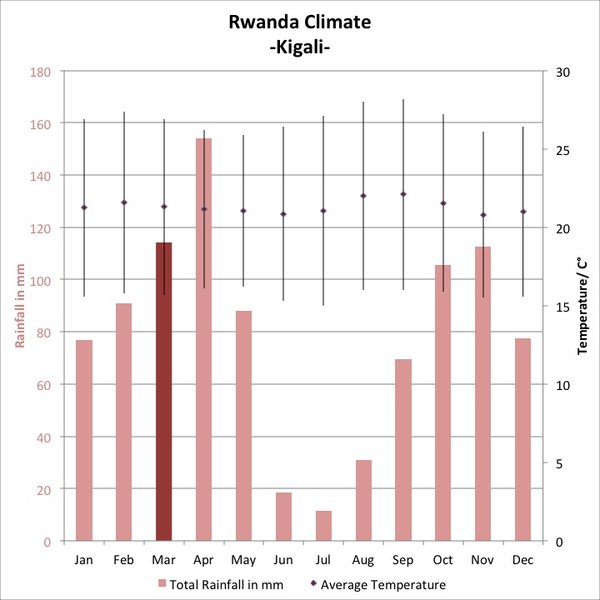
Rwanda experiences two main rainy seasons rather than constant rainfall. The long rains typically run from March to May, while the short rains usually fall between October and November. Rainfall comes in bursts rather than all-day downpours, often arriving in the afternoon or overnight.
Mornings frequently remain clear, making it easy to schedule activities early in the day. Because Rwanda sits at high altitude, temperatures stay comfortable even during wetter months.
What Rwanda Looks Like During the Rainy Season
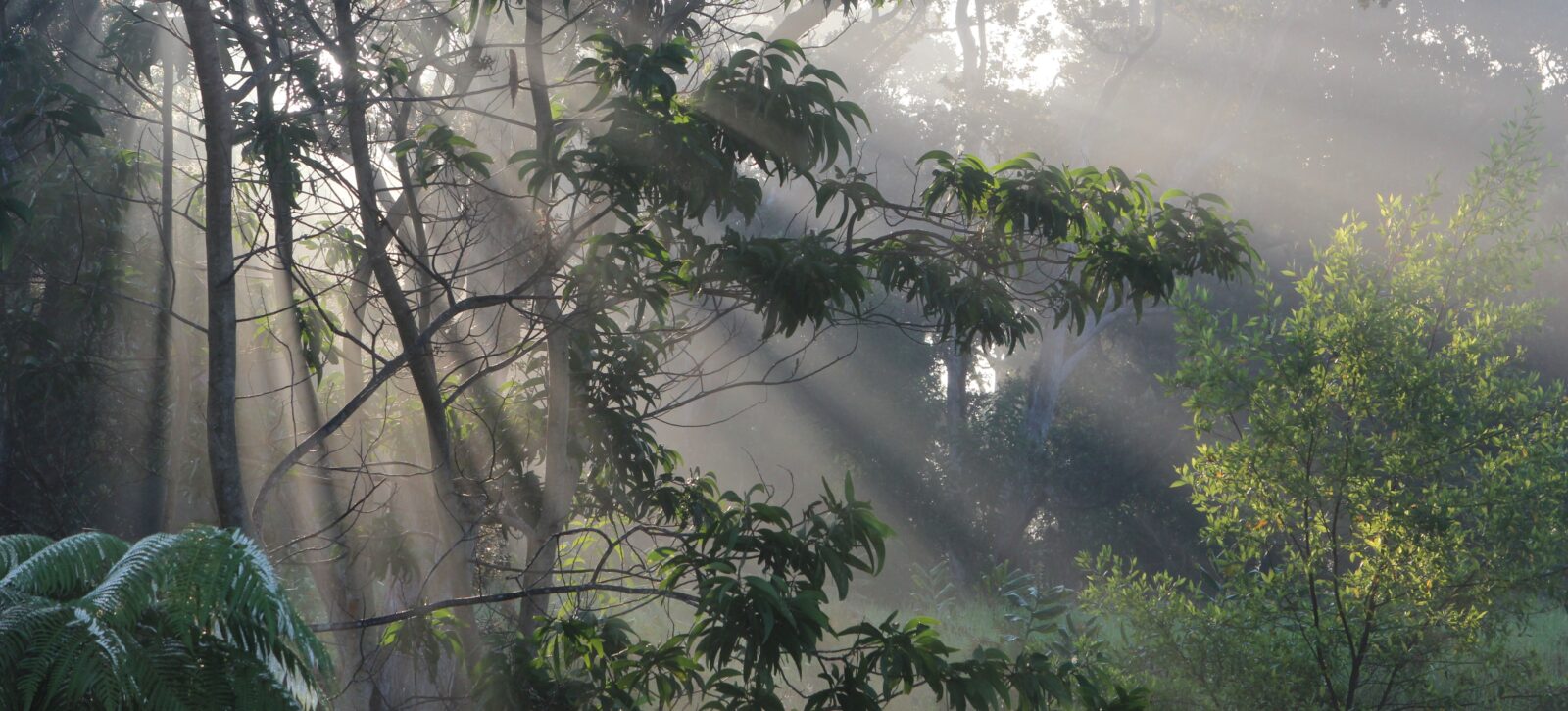
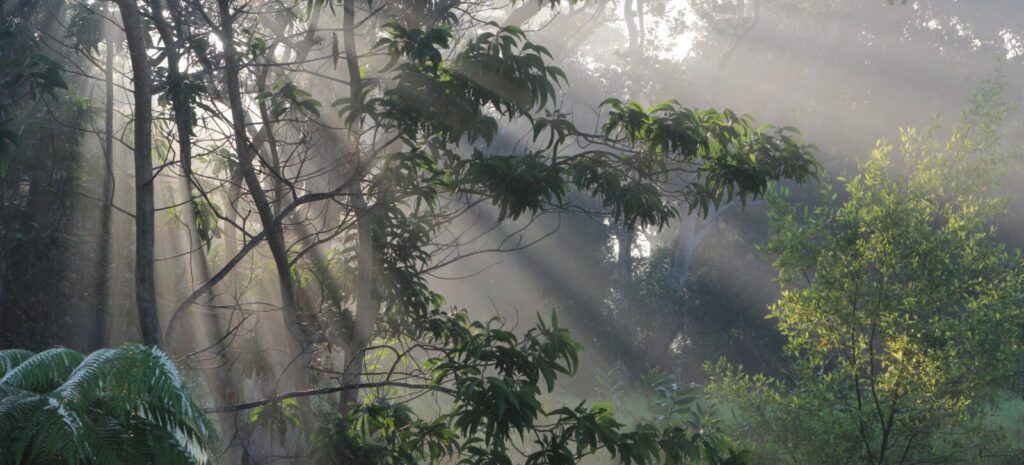
Rain transforms Rwanda’s landscapes. Hills turn intensely green, terraced farms stand out sharply, and mist rolls through forests and valleys, creating cinematic scenery.
In places like Volcanoes National Park, misty conditions add atmosphere to gorilla trekking, making forest encounters feel intimate and otherworldly. In Nyungwe Forest National Park, rainfall enhances the rainforest’s depth, sound, and biodiversity.
Photographers often prefer the rainy season for richer colors, dramatic skies, and softer light.
Gorilla Trekking During the Rainy Season
Gorilla trekking remains excellent year-round. During rainy months, gorillas tend to stay at lower elevations where food is abundant, often shortening trek distances. Trails may feel muddy, but guides adapt pacing and routes accordingly.
The reduced number of visitors during these months creates quieter trekking groups and more personal experiences. Permits remain the same price, but availability improves, especially for travelers booking closer to travel dates.
Rain gear matters, but the reward often outweighs the inconvenience.
Wildlife Safaris in Akagera During the Green Season
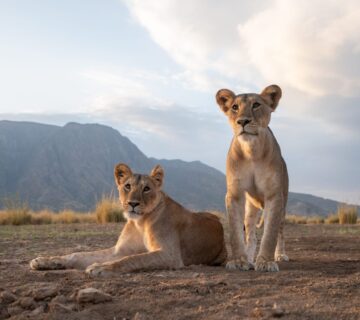
In Akagera National Park, the rainy season brings fresh grass, newborn animals, and excellent birdlife. While wildlife disperses more widely due to available water, sightings remain rewarding.
Predators remain active, landscapes feel open and colorful, and safari drives feel quieter without peak-season crowds. Birdwatchers especially benefit, as migratory species arrive and breeding activity increases.
Game drives continue smoothly, as roads in Akagera remain well maintained even during rains.
Rainy Season Travel in Nyungwe Forest
Nyungwe Forest thrives during the rainy season. Waterfalls become powerful, vegetation thickens, and forest sounds intensify. Chimpanzee trekking continues year-round, though movement can feel faster due to wet conditions.
Canopy walks remain open unless weather becomes extreme, which is rare. For travelers seeking rainforest immersion rather than dry convenience, Nyungwe during the rains feels alive and authentic.
Lake Kivu During the Rainy Season
Lake Kivu remains calm and welcoming during rainy months. Rain often falls briefly and clears quickly, leaving fresh air and dramatic skies.
Lakeside relaxation, swimming, and boat trips continue as usual, with fewer visitors and better accommodation deals. Evenings feel cooler and peaceful, making Lake Kivu an ideal recovery stop between more active safari regions.
Kigali and City Travel in the Rainy Season
Urban travel in Kigali works exceptionally well during the rainy season. Roads drain efficiently, traffic remains manageable, and the city’s cleanliness stands out even more.
Cafés, restaurants, cultural spaces, and markets remain active. Rain rarely disrupts city plans, and travelers enjoy a slower, less crowded urban rhythm.
Costs and Value During the Rainy Season
One of the strongest advantages of rainy season travel is value. Many lodges offer discounted rates, especially outside peak holiday periods. Availability improves across accommodations and transport.
While gorilla permits remain fixed in price, overall safari costs often drop due to lower accommodation and logistical expenses. Travelers who prioritize experience over seasonality often find the rainy season offers the best return on investment.
What to Pack for Rainy Season Travel
Packing for the rainy season requires preparation rather than excess. A lightweight waterproof jacket, sturdy hiking shoes, and quick-drying clothing make a significant difference. Waterproof covers for cameras and backpacks protect equipment.
Layering helps manage temperature changes between rain, sun, and altitude.
Common Myths About Rainy Season Travel
Many assume the rainy season means constant rain and poor visibility. In reality, rainfall is intermittent, landscapes remain open, and activities continue as scheduled.
Another myth suggests travel becomes difficult. Rwanda’s infrastructure handles rain well, and roads to major safari destinations remain reliable.
The biggest difference lies in atmosphere, not access.
Who Should Travel During the Rainy Season
Rainy season travel suits photographers, slow travelers, budget-conscious visitors, repeat Africa travelers, and anyone seeking quieter, more immersive experiences.
It also works well for travelers flexible with schedules who value nature at its most vibrant.
The Green Season Advantage
Traveling during the rainy season in Rwanda reveals a side of the country many never see. It feels fresher, calmer, and more intimate. Wildlife encounters remain strong, cultural interactions deepen, and landscapes feel alive rather than curated.
For travelers willing to embrace a little rain, Rwanda offers something rare: beauty without crowds, depth without noise, and value without compromise.