Tracking Uganda’s Rare Cats: Cheetahs and Servals
While Uganda is famed for gorillas and elephants, it also offers rare and elusive sightings of smaller feline species, notably cheetahs and servals. Tracking these cats provides a thrilling dimension to wildlife safaris, appealing to adventure seekers, photographers, and wildlife enthusiasts eager to witness predators in action. Unlike lions or leopards, these felines are less commonly encountered, making each sighting a rewarding and memorable experience.
Cheetahs in Kidepo Valley National Park
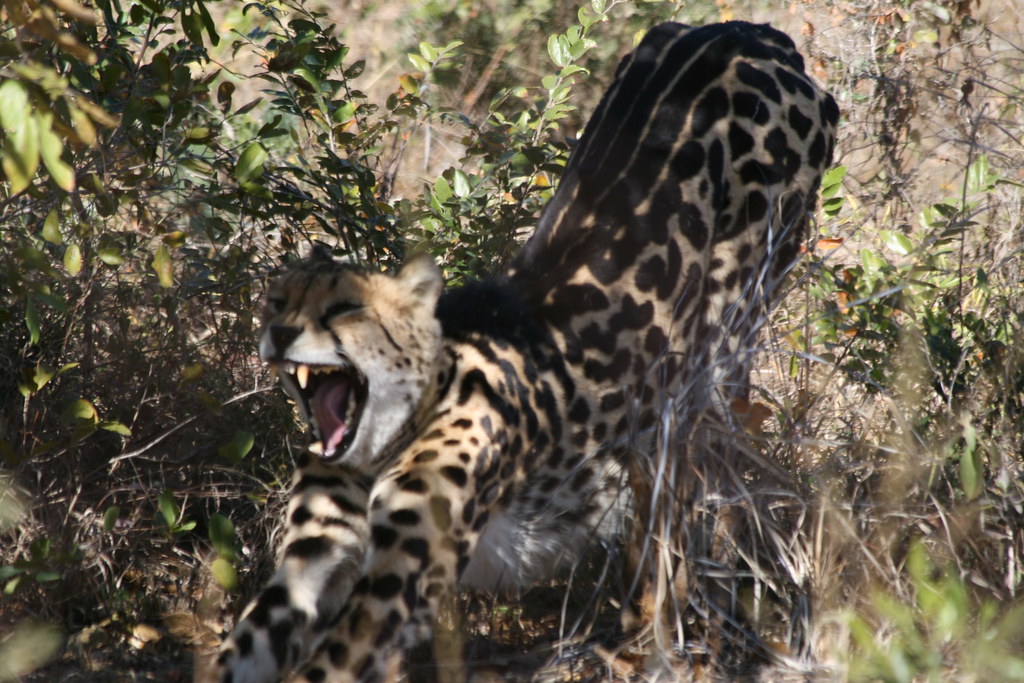
Kidepo Valley National Park is Uganda’s best location for cheetah sightings, due to its expansive savannahs and open plains that support hunting and territorial behavior. Cheetahs here can be observed sprinting across open fields, stalking prey, or resting under acacia trees. Early morning and late afternoon drives increase the chances of spotting these agile predators, as they are most active during cooler hours. Guides utilize their extensive knowledge of cheetah behavior, spoor, and seasonal movement patterns to track individuals while maintaining safe distances and minimizing disturbance.
Servals: The Elusive Savannah Cat
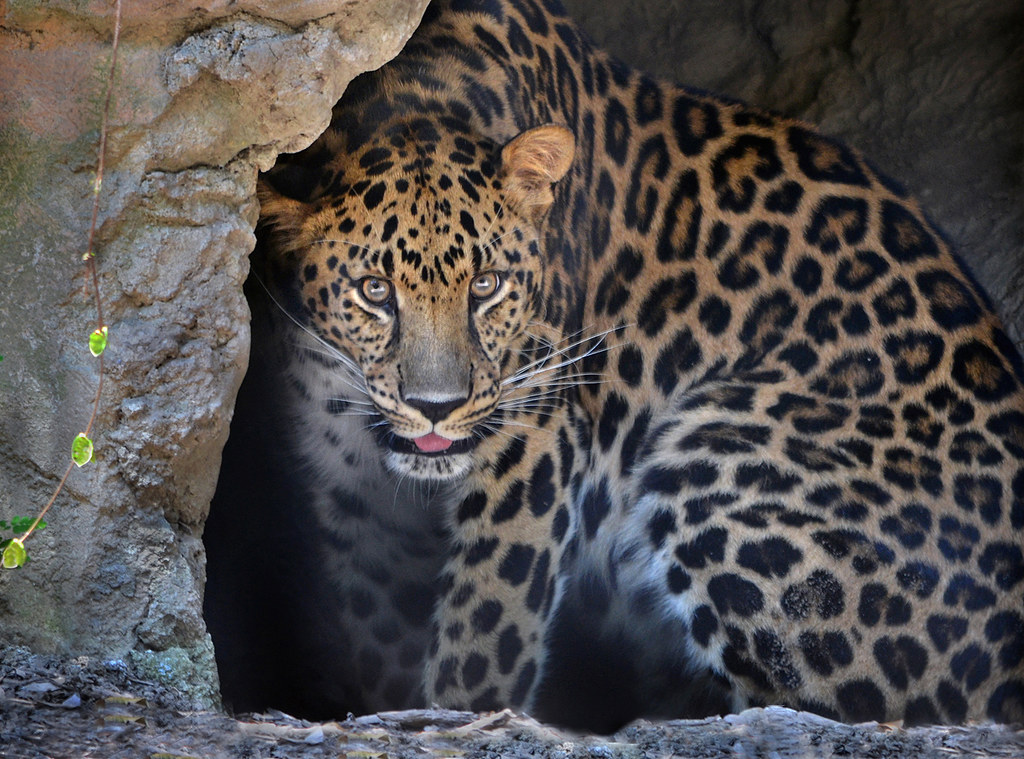
Servals, smaller and more secretive than cheetahs, inhabit wetlands and grasslands across Uganda, including parts of Murchison Falls, Queen Elizabeth, and Kidepo Valley National Parks. Known for their striking spotted coats, long legs, and exceptional leaping ability, servals are masters of stealth and primarily nocturnal. Observing them requires patience and keen tracking skills. Guided night drives and early morning safaris improve the likelihood of encounters, offering rare opportunities for photographers to capture these elegant cats in natural light or twilight conditions.
Tracking Techniques and Safari Strategies
Locating rare cats in the wild requires skill and experience. Guides look for signs such as paw prints, scratch marks, hunting remains, and behavioral cues from other animals. Observing the landscape for vantage points where cheetahs or servals may hunt, rest, or drink is also essential. Patience and quiet observation are critical, as sudden movements or noise can easily spook these sensitive predators. Using binoculars and telephoto lenses allows travelers to enjoy close-up observations without disturbing natural behavior.
Photography Considerations for Rare Cats
Capturing images of cheetahs and servals demands preparation and technique. Fast shutter speeds help freeze the motion of sprinting cheetahs, while long lenses and high ISO settings enable shooting in low-light conditions when observing servals. Early mornings and late afternoons provide soft, warm lighting ideal for highlighting the cats’ distinctive markings. Ethical photography also involves respecting distance and avoiding behaviors that could stress or alter the animals’ natural routines.
Conservation Significance
Observing Uganda’s rare cats highlights the importance of conservation efforts, as both cheetahs and servals face threats from habitat loss, human-wildlife conflict, and declining prey populations. Tourism that emphasizes ethical observation and sustainable practices supports anti-poaching initiatives, habitat protection, and ecological research. By participating in guided tracking safaris, visitors contribute to the broader effort of protecting Uganda’s predator populations for future generations.
Why Rare Cat Tracking Enhances Ugandan Safaris
Tracking cheetahs and servals adds a dynamic and adventurous element to traditional safaris, showcasing species that are often overlooked but integral to Uganda’s ecological balance. These encounters combine education, excitement, and photographic opportunities, giving travelers a deeper appreciation for the subtle complexities of predator behavior and ecosystem interactions. Rare cat tracking also complements more commonly observed wildlife, offering a richer, more varied safari experience.
The Thrill of Observing Uganda’s Elusive Predators
Uganda’s cheetahs and servals offer unforgettable wildlife encounters, from high-speed chases across open plains to quiet, stealthy observations in grasslands and wetlands. Incorporating rare cat tracking into a safari itinerary not only provides adrenaline and photographic rewards but also emphasizes the importance of ethical and conservation-minded wildlife tourism. For those seeking adventure and the chance to witness nature’s more secretive predators, Uganda delivers experiences that are as rare as the cats themselves.