Sustainable Safari Lodges Elevating Eco‑Friendly Travel in Uganda
Sustainability in safari lodging goes beyond aesthetics; it reflects a commitment to environmental stewardship, wildlife protection, cultural preservation, and community empowerment. Uganda’s eco‑friendly lodges are intentionally designed and managed to minimise ecological impact, reduce carbon footprints, and support local economies. These lodges often use renewable energy systems like solar power, implement water conservation and waste reduction practices, source food locally, and contribute directly to conservation and community projects. Choosing sustainable accommodation ensures that your safari experience enriches both nature and people while preserving the places you visit for future generations.
Chobe Safari Lodge: Solar Commitment on the Nile
Chobe Safari Lodge, located near the heart of Murchison Falls National Park, is one of Uganda’s premier sustainable safari lodges. The lodge is extensively powered by solar energy, drastically reducing reliance on fossil fuels and keeping ambient noise and air pollution to a minimum. Water is conserved through efficient systems, and organic gardens supply much of the kitchen’s produce, linking the lodge’s operations directly to environmental health. The lodge also supports wildlife protection initiatives, making it ideal for travellers seeking a luxury safari experience that respects Uganda’s natural heritage.
Nile Safari Lodge: Carbon‑Neutral Elegance
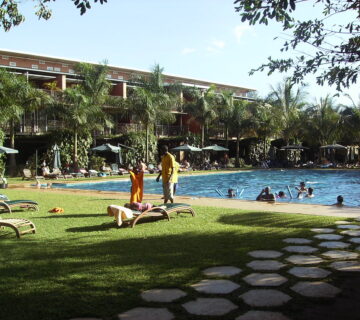
Nile Safari Lodge combines luxury with sustainability. It operates with extensive solar power, a natural filtration system for its infinity pool, and comprehensive waste management, including greywater recycling and composting. The lodge also engages deeply with local culture and biodiversity conservation, employing local staff and supporting youth anti‑poaching programmes that benefit Murchison Falls National Park. Organic ingredients sourced on-site further reduce the lodge’s ecological footprint.
Mahogany Springs: Bwindi’s Low‑Impact Gorilla Lodge
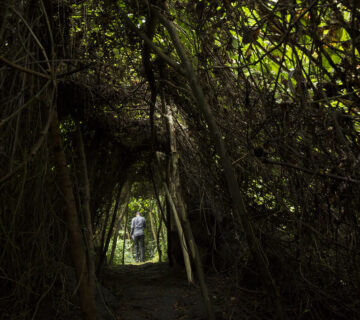
In the forests near Bwindi Impenetrable National Park, Mahogany Springs is a model of responsible tourism geared toward sustainable gorilla trekking. Built with locally sourced materials, the lodge operates a zero‑waste kitchen using compostable materials and organic produce. Approximately 90 percent of staff come from nearby communities, providing employment and livelihood opportunities. These integrated sustainability practices help conserve both the surrounding forest and the cultural fabric of local villages while offering guests a comfortable, eco‑aware stay.
Clouds Mountain Gorilla Lodge: Forest‑Friendly Comfort
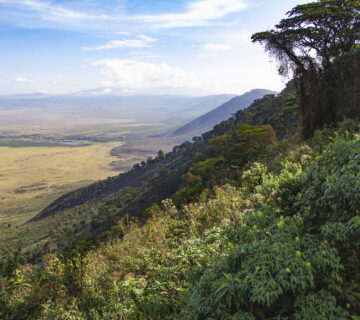
Clouds Mountain Gorilla Lodge demonstrates how sustainable practices can coexist with elevated comfort. The lodge implements solar heating and energy‑efficient lighting, rainwater harvesting, and organic garden production. It works closely with conservation groups and local clinics and schools, reinvesting tourism revenue directly into community wellbeing and environmental initiatives. Its position above the forest canopy also offers remarkable views and wildlife observation opportunities.
Ishasha Wilderness Camp: Community‑Driven Eco Safari
Situated in Queen Elizabeth National Park, Ishasha Wilderness Camp operates largely on solar energy, minimising reliance on generators. Tented camps are lightweight and blend into natural landscapes, preserving the surrounding ecology. Tourism revenue supports local conservation programmes and community projects, making Ishasha an attractive option for travellers seeking authentic, low‑impact safari experiences with direct community engagement.
Mihingo Lodge: Solar‑Powered Plains Safari
Perched on rocky outcrops overlooking Lake Mburo National Park, Mihingo Lodge is fully solar powered and places strong emphasis on water recycling and sustainable resource use. Local employment, sourcing food from nearby farms, and support for anti-poaching units protect the park’s wildlife corridors and biodiversity. Outdoor activities such as horseback safaris offer low-impact alternatives to traditional game drives, aligning wildlife viewing with responsible travel principles.
Jacana Safari Lodge: Forest Edge Sustainability
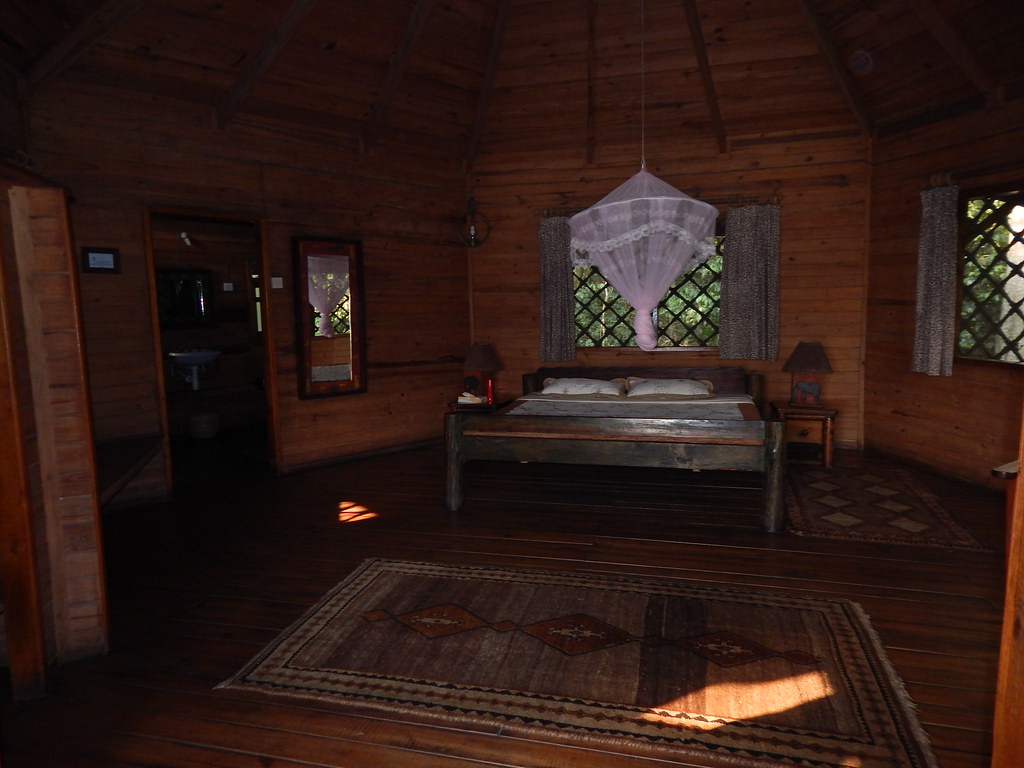
Jacana Safari Lodge in Queen Elizabeth National Park is another eco‑centric option. Built from local timber and thatch, the lodge embraces solar energy and supports conservation education with local communities, including sustainable fishing practices. Its forest setting and minimalist design allow for close interaction with nature without causing disruption, making it a serene base for those who want eco-conscious accommodation near wildlife habitats.
Kyaninga Lodge and Other Community-Centred Retreats
Alternatives such as Kyaninga Lodge near Fort Portal and community-operated properties like Rwakobo Rock near Lake Mburo reflect broader trends in eco-tourism across Uganda. These lodges use rainwater harvesting, solar renewable systems, and sustainable building materials and often support social initiatives such as child development centres, eco-education programmes, and indigenous cultural projects.
Defining Sustainability in Uganda’s Eco‑Lodges
Across these lodges, several common themes signal genuine sustainability. Renewable energy use — often solar power — significantly cuts carbon emissions and preserves quiet natural soundscapes. Water is managed through harvesting, low‑flow systems, and recycling. Waste reduction strategies focus on composting, recycling, and eliminating single-use plastics. Many lodges maintain organic gardens, provide locally sourced meals, and offer interpretive programming that educates guests on wildlife conservation and local ecosystems. Community involvement — through staffing, training, and revenue sharing — underpins much of the sustainable ethos, ensuring tourism directly benefits neighbouring villages and conservation projects.
Responsible Safari Travel in Uganda
Sustainable safari lodges in Uganda show that luxury, wildlife immersion, and environmental responsibility are not mutually exclusive. From solar-powered luxury on the Nile to community-run camps in forested wilderness, these accommodations offer meaningful stays that respect ecosystems and strengthen local livelihoods. Travelling sustainably in Uganda means choosing lodges that protect landscapes, empower people, and deliver authentic experiences that honour both nature and culture.