
Supporting Local Communities Through Travel: How Tourism Can Create Real Impact
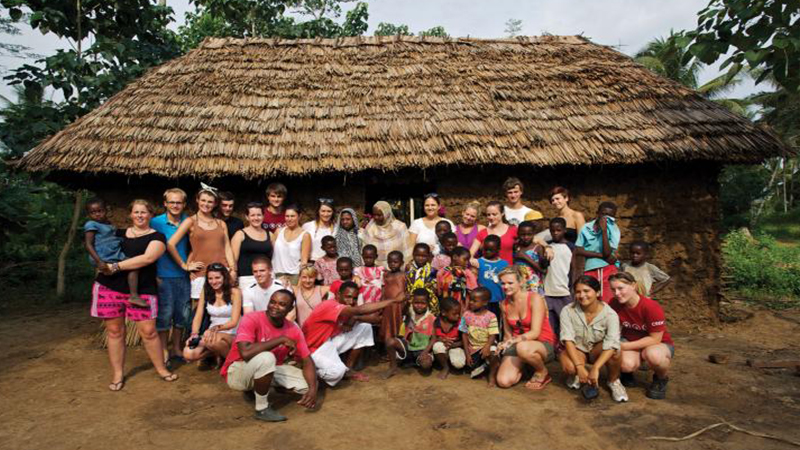
Travel has the power to change lives far beyond the traveler’s own experience. When done thoughtfully, tourism becomes a direct source of income, dignity, education, and opportunity for local communities. Supporting local communities through travel is not about charity or sympathy. It is about fairness, respect, and choosing travel experiences that allow destinations to benefit from the visitors they host.
How Travel Directly Impacts Local Communities
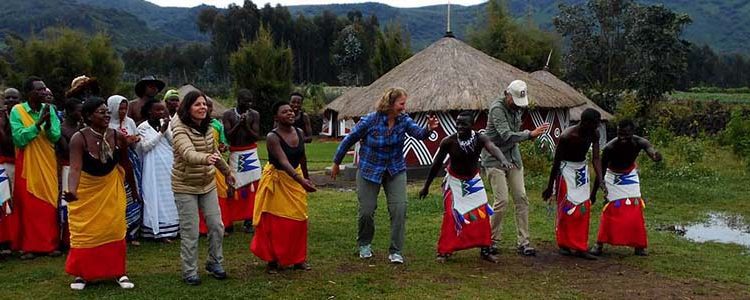
Every travel decision affects local people in some way. Where you sleep, who guides you, where you eat, and what activities you choose all determine where your money goes. In many destinations, tourism can either strengthen local economies or bypass them entirely. Supporting local communities means ensuring that tourism income stays within the destination rather than flowing out through foreign-owned businesses.
When communities benefit financially from tourism, they gain stronger incentives to protect their environment, preserve culture, and invest in education and healthcare. Tourism becomes a long-term development tool rather than a short-term transaction.
Why Local Ownership Matters in Tourism
Locally owned lodges, guesthouses, transport services, and guiding companies play a critical role in community development. These businesses create jobs, build skills, and keep profits circulating locally. When travelers choose locally owned services, they support families directly rather than distant shareholders.
Local ownership also leads to more authentic experiences. Guides share personal knowledge, stories, and cultural context that cannot be replicated by external operators. This creates deeper connection and understanding for travelers while strengthening community pride.
Community-Based Tourism as a Sustainable Model
Community-based tourism allows communities to actively shape how tourism develops in their area. Instead of being passive recipients, local people design experiences, manage resources, and decide how tourism revenue is used. This model ensures that tourism aligns with local values and long-term priorities.
Community tourism often supports schools, health centers, clean water projects, and conservation initiatives. Travelers who participate in these experiences contribute directly to projects that improve daily life while gaining insight into local realities.
Cultural Respect as a Form of Support
Supporting communities goes beyond spending money. Respectful behavior plays an equally important role. Learning local customs, dressing appropriately, asking permission before photography, and engaging with people politely all show respect.
Culture is not a product to consume. It is a living system shaped by history, belief, and identity. Travelers who approach culture with humility and curiosity help preserve its value rather than reducing it to entertainment.
Employment and Skills Development Through Tourism
Tourism creates employment across many levels, from guiding and hospitality to craft production and transport. These jobs often provide stable income in regions where alternatives are limited. More importantly, tourism builds transferable skills such as language, management, customer service, and environmental stewardship.
When tourism focuses on training and local employment, communities gain long-term capacity rather than dependency. Travelers support this process by choosing operators that invest in local staff development.
How Supporting Communities Protects the Environment
Communities that benefit from tourism are more likely to protect natural resources. Wildlife conservation, forest protection, and sustainable land use become shared interests when tourism revenue depends on healthy ecosystems.
In many regions, community-supported tourism has reduced poaching, deforestation, and illegal resource use. Travel that supports communities therefore contributes indirectly to environmental protection.
Responsible Purchasing and Local Economies
Buying locally made crafts, art, and products supports traditional skills and small-scale entrepreneurs. These purchases carry cultural value and economic importance far beyond souvenirs. Travelers should value quality and authenticity over cheap mass-produced items.
Eating at local restaurants and using local services further strengthens the local economy. These everyday choices create consistent income streams that sustain families year-round.
Avoiding Harmful Forms of Tourism
Not all tourism supports communities. Experiences that exploit people, stage culture without consent, or displace communities cause long-term harm. Responsible travelers avoid activities that treat local people as attractions or rely on unpaid labor disguised as volunteering.
Supporting communities means choosing ethical operators, asking questions about impact, and avoiding experiences that feel uncomfortable or disrespectful.
The Role of Travelers in Shaping Tourism’s Future
Travelers influence tourism more than they realize. Demand shapes supply. When travelers choose community-focused experiences, the tourism industry responds by investing more in local partnerships and sustainable practices.
Supporting local communities through travel sends a clear message that tourism should benefit hosts as much as guests. This pressure encourages better standards across the industry.
Long-Term Benefits of Community-Supported Travel
Community-supported tourism builds resilience. It helps communities adapt to economic change, climate pressure, and global uncertainty. Education improves, conservation strengthens, and cultural identity gains value rather than erodes.
For travelers, these benefits translate into richer, more meaningful journeys. Experiences feel real, connections feel genuine, and travel becomes something more than consumption.
Final Thoughts on Supporting Local Communities Through Travel
Supporting local communities through travel is one of the most powerful choices a traveler can make. It turns tourism into a partnership rather than an extraction. When travelers choose local ownership, respect culture, and spend consciously, they help create destinations that thrive long after the journey ends.
Travel becomes a shared exchange, where visitors gain insight and inspiration while communities gain opportunity, dignity, and a stronger future.