Shopping & Souvenirs in Rwanda
Shopping in Rwanda goes beyond buying souvenirs. It offers a chance to support local artisans, women’s cooperatives, and community livelihoods while taking home items that carry cultural meaning. Rwanda’s crafts reflect identity, history, and everyday life, and shopping here feels intentional rather than commercial.
From vibrant city markets in Kigali to lakeside craft stalls and cooperative workshops, Rwanda offers souvenirs that tell stories rather than fill shelves.
What Makes Shopping in Rwanda Special
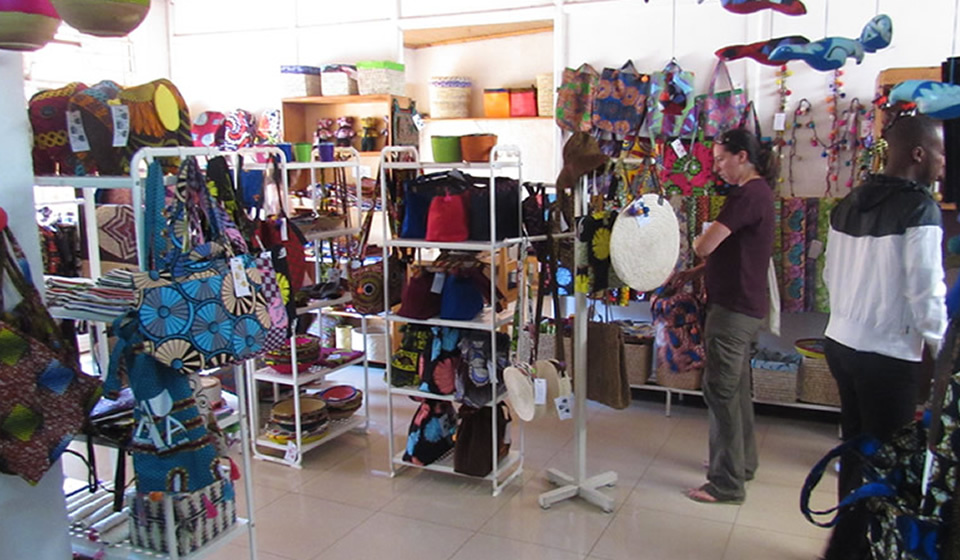
Rwanda’s souvenir culture centers on craftsmanship, sustainability, and community empowerment. Many items are handmade using traditional techniques passed down through generations. Tourism revenue often flows directly to cooperatives, helping fund education, healthcare, and household stability.
Shopping experiences feel calm and respectful. Vendors welcome conversation, authentic interest, and fair exchange rather than aggressive sales tactics. This creates an environment where buying feels personal and rewarding.
Most shopping experiences begin in Kigali, but meaningful souvenirs appear across the country.
Traditional Rwandan Crafts to Look For
One of Rwanda’s most iconic souvenirs is the Agaseke basket. These handwoven baskets symbolize peace, unity, and hospitality. Artisans create them from natural fibers dyed with earthy tones, and each design carries symbolic patterns. Agaseke baskets range from decorative pieces to functional storage items, making them both beautiful and practical.
Imigongo art offers another distinctive Rwandan craft. Originating from eastern Rwanda, this geometric art form uses natural cow dung mixed with ash and earth pigments to create bold, textured patterns. Modern artists have adapted Imigongo into contemporary wall art while preserving its traditional roots.
Wood carvings, beadwork, and textiles also feature prominently. These items often reflect rural life, wildlife, and traditional symbols, making them meaningful reminders of Rwanda’s landscapes and culture.
Shopping at Local Markets in Kigali
Kigali’s markets provide the most diverse shopping experience in Rwanda. The Kimironko Market stands out as the city’s largest and most vibrant market. Here, travelers find fresh produce, fabrics, household goods, and small craft stalls.
Shopping at local markets offers insight into daily life. Interactions feel genuine, and vendors often explain the origin or use of items. Bargaining exists but remains polite and friendly. Fair pricing matters more than negotiating aggressively.
Smaller neighborhood markets also sell handmade jewelry, baskets, and locally produced goods, often at cooperative-run stalls.
Craft Cooperatives and Ethical Souvenirs
Rwanda places strong emphasis on cooperative-based production. Women’s groups and artisan cooperatives produce many of the country’s best souvenirs. Buying directly from these groups ensures that income supports families and community projects.
Cooperative shops often explain how items are made and who benefits from sales. This transparency adds emotional value to purchases, transforming souvenirs into symbols of connection rather than objects.
These cooperatives appear in Kigali, around Volcanoes National Park, along Lake Kivu, and near cultural villages.
Coffee and Tea as Take-Home Gifts
Rwanda produces some of Africa’s finest coffee and tea, making them excellent souvenirs. Coffee beans from high-altitude regions offer bright acidity and complex flavors, while Rwandan tea delivers smooth, full-bodied character.
Packaged coffee and tea are easy to transport and widely available in specialty shops, cooperatives, and airports. Buying directly from producers or certified sellers supports sustainable agriculture and local farmers.
These items make practical gifts that allow travelers to relive their Rwanda experience long after returning home.
Shopping Around Safari Destinations
Safari regions also offer unique shopping opportunities. Near Volcanoes National Park, visitors find crafts made by communities living around the park, including baskets, carvings, and cultural items linked to conservation efforts.
In Akagera National Park, souvenirs often reflect wildlife themes, such as animal carvings and paintings inspired by savannah landscapes.
Shopping in these regions directly supports conservation-linked livelihoods, reinforcing the connection between tourism and protection.
Prices, Bargaining, and Payment Tips
Prices in Rwanda remain fair and transparent. Bargaining is acceptable in markets but should stay respectful. Vendors appreciate friendly negotiation rather than pressure tactics.
Cash remains useful in markets and small shops, while hotels and larger stores accept cards. Local currency works best, though some tourist-oriented shops accept major foreign currencies.
Avoid purchasing items made from endangered wildlife or restricted materials. Ethical shopping aligns naturally with Rwanda’s conservation values.
What to Avoid Buying
Travelers should avoid souvenirs made from animal skins, ivory, or protected species. Rwanda enforces strong wildlife protection laws, and such items carry legal and ethical consequences.
Mass-produced imports marketed as “local” may appear in some areas. Asking about origin and craftsmanship helps ensure authenticity.
Shopping Etiquette and Cultural Respect
Polite greetings matter before browsing or buying. Taking time to engage with sellers creates positive interactions. Asking permission before photographing people or stalls remains important.
Shopping in Rwanda rewards patience and curiosity rather than speed.
Taking Home More Than Objects
Shopping and souvenirs in Rwanda offer more than physical reminders. They represent shared moments, cultural exchange, and support for local communities. Each basket, artwork, or bag of coffee carries a story of resilience, creativity, and pride.
For travelers who value meaning over mass consumption, Rwanda delivers souvenirs that endure both materially and emotionally.