
Self-Drive Safaris in Kenya: Routes, Tips & Safety
A self-drive safari in Kenya offers freedom, flexibility, and a strong sense of adventure. Instead of following fixed schedules, you control your pace, choose where to stop, and decide how long to stay with wildlife sightings. Kenya’s road network, diverse parks, and availability of 4×4 vehicles make self-driving possible, but success depends on preparation, realistic expectations, and respect for local conditions.
This guide explains where self-drive safaris work best in Kenya, how to plan your routes, and how to stay safe throughout your journey.
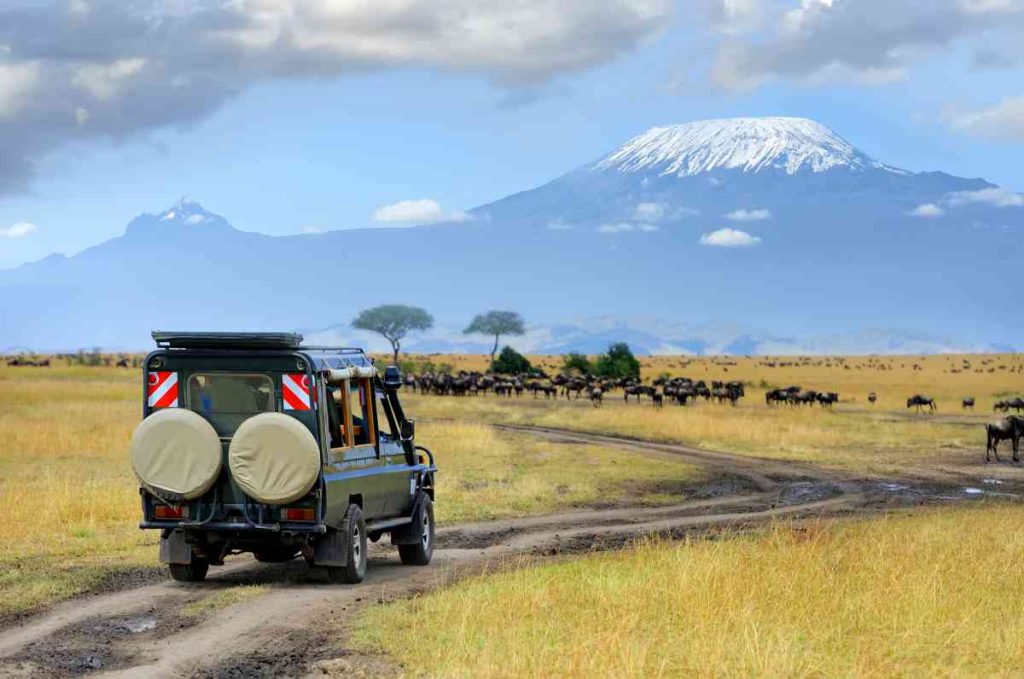
Is Kenya Suitable for a Self-Drive Safari?
Kenya allows self-drive safaris, but it differs from destinations like South Africa or Namibia. Wildlife densities remain high, but road signage inside parks can be limited, and some routes become challenging during rainy seasons. A self-drive safari suits confident drivers who enjoy navigation, patience, and independence.
First-time safari travelers can still self-drive in Kenya, but they should start with accessible parks and avoid overly ambitious itineraries.
Best Parks for Self-Drive Safaris in Kenya
Maasai Mara National Reserve
The Maasai Mara attracts many self-drive travelers, especially during the dry season. Main tracks remain navigable, and wildlife sightings occur close to roads. During migration months, traffic increases, and off-road driving remains prohibited, so patience and rule awareness matter.
Amboseli National Park
Amboseli is one of the easiest parks for self-drive safaris. Flat terrain, open visibility, and well-used tracks make navigation manageable. Wildlife often appears close to roads, reducing the need for extensive driving.
Tsavo National Park
Tsavo East and Tsavo West suit experienced self-drivers seeking space and solitude. Distances are long, and wildlife sightings require patience, but the sense of wilderness is rewarding. Good planning and fuel management are essential here.
Lake Nakuru National Park
Lake Nakuru works well for short self-drive safaris. The park is compact, well-patrolled, and rich in rhino and birdlife. Road conditions remain reasonable for much of the year.
Popular Self-Drive Routes in Kenya
Most self-drive safaris begin in Nairobi, Kenya’s main transport hub. From Nairobi, travelers often head northwest to Lake Nakuru before continuing to the Maasai Mara. Another common route runs southeast toward Amboseli and onward to Tsavo East or West.
Northern routes toward Samburu exist but require stronger navigation skills, good vehicle clearance, and extra caution due to remoteness and road conditions.
Choosing the Right Vehicle
A reliable 4×4 vehicle is essential for any self-drive safari in Kenya. High ground clearance helps on rough tracks, while a sturdy suspension improves comfort on long drives. Vehicles such as Land Cruisers or well-prepared Hilux models perform best.
Ensure your vehicle includes two spare tires, recovery equipment, a jack, and a functioning GPS or offline navigation app. Fuel planning matters, as petrol stations are scarce near parks.
Navigation and Route Planning
Paper maps still matter in Kenya, even with digital tools. Inside parks, signage can be inconsistent, and mobile signal may drop. Download offline maps and mark ranger posts, lodges, and exit gates in advance.
Plan daily driving distances conservatively. Kenyan roads may look short on maps but take longer due to traffic, livestock, and changing road conditions.
Safety Tips for Self-Drive Safaris
Driving during daylight hours reduces risk and improves wildlife visibility. Avoid night driving outside towns, especially in rural areas. Inside parks, follow speed limits and remain inside your vehicle unless at designated picnic areas.
Respect wildlife at all times. Do not approach animals closely or block their movement. Rangers enforce park rules, and fines apply for violations.
Seasonal Considerations for Self-Drive Travel
Dry months from June to October offer the best conditions for self-drive safaris. Roads stay firm, and wildlife congregates around water sources. During the long rains from March to May, some tracks become muddy and impassable, especially in the Maasai Mara and Tsavo.
Short rains in November usually cause fewer disruptions, but caution remains necessary.
Self-Drive vs Guided Safari in Kenya
Self-drive safaris provide independence and lower costs, but guided safaris offer deeper wildlife insight, tracking skills, and stress-free logistics. Many travelers choose a hybrid approach, self-driving between parks and booking guided game drives within reserves.
This balance combines flexibility with expert knowledge.
Final Thoughts on Self-Drive Safaris in Kenya
A self-drive safari in Kenya rewards preparation, patience, and respect for the environment. When planned carefully, it delivers freedom and unforgettable wildlife encounters. For travelers who enjoy adventure and independence, Kenya’s parks offer a challenging but deeply satisfying self-drive experience.