Seasonal Safari Experiences in Uganda: Tailoring Your Adventure to Nature’s Rhythm
Uganda, the Pearl of Africa, offers diverse safari experiences that shift with the seasons, creating unique opportunities for wildlife viewing, photography, and cultural exploration. Understanding how the rainy and dry seasons influence wildlife behavior, vegetation, and accessibility is key to planning a safari that aligns with your interests. From gorilla trekking in misty forests to big game drives across savannas and birdwatching in lush wetlands, each season offers distinct advantages for an immersive experience.
The Dry Seasons: December to February and June to August
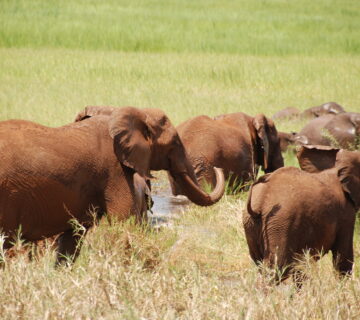
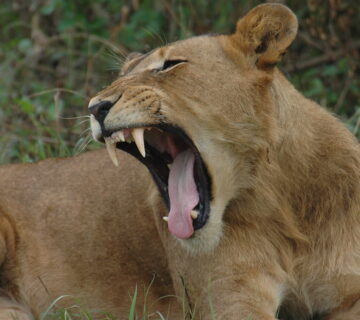
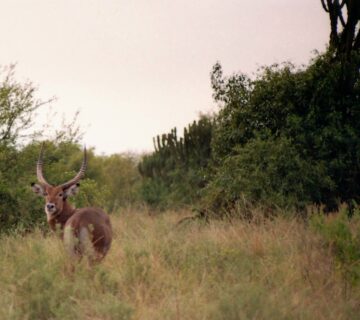
Uganda’s dry seasons are considered the prime time for most safari activities. Trails in Bwindi Impenetrable Forest and Mgahinga Gorilla National Park are less muddy, making gorilla trekking more manageable and photography easier. In savanna parks like Queen Elizabeth, Murchison Falls, and Lake Mburo, wildlife concentrates around water sources, improving sightings of elephants, lions, buffalo, giraffes, and antelope.
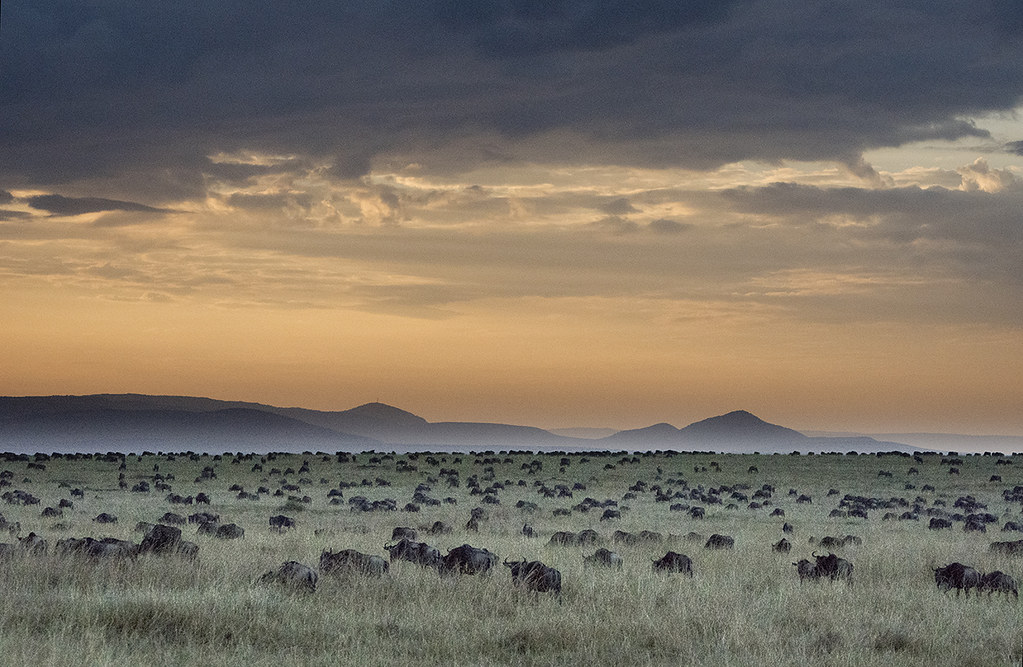
Birdwatchers also benefit from dry conditions, as open landscapes allow easier spotting and access to wetlands and rivers. Early morning and late afternoon drives provide optimal lighting for photography, and roads are generally more reliable, making inter-park transfers smoother. Dry seasons are popular for festive holiday travel, offering clear skies and vibrant sunsets that enhance the overall safari experience.
The Wet Seasons: March to May and September to November
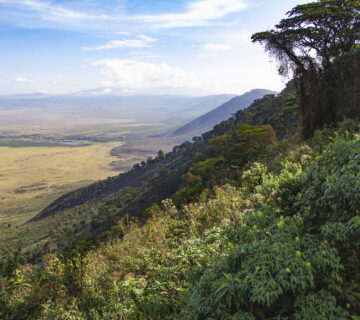
While the wet seasons present some challenges, they offer unique rewards for adventurous travelers. The forests and savannas become lush and green, creating striking photographic backdrops. Water levels in rivers, lakes, and wetlands rise, attracting diverse birdlife and increasing opportunities to photograph aquatic species.
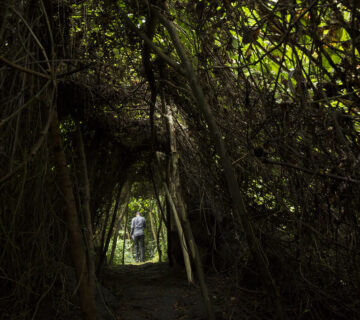
Gorilla trekking remains possible, although trails may be slippery, requiring more effort. Rainfall transforms the landscape, creating mist-laden valleys, cascading waterfalls, and vibrant forest floors. Less tourist traffic during these months allows for a more intimate experience, with fewer crowds at lodges and parks. Bird photographers especially find the wet season ideal for capturing rare species and nesting behaviors.
Wildlife Behavior Across Seasons
Seasonal changes influence animal movement and behavior. In the dry season, animals gather around limited water sources, making them easier to locate. Predators often follow prey, offering higher chances for big cat sightings. During the wet season, food is abundant, and wildlife disperses, sometimes making tracking more challenging but offering unique opportunities to observe animals in their natural, widespread habitats.
Gorilla activity may also vary slightly with the season, with feeding and nesting patterns influenced by rainfall. Photographers can adapt by planning longer treks or multiple encounters to capture the most dynamic moments.
Birding and Migration Patterns
Uganda’s birdlife is highly seasonal. Migratory species, such as certain raptors and waterbirds, arrive during specific months, enriching the avian diversity. The dry season offers easier access to birding sites, while the wet season provides vibrant forest habitats and active breeding behaviors. Mabamba Bay, Bwindi, and Queen Elizabeth National Park are particularly rewarding locations for seasonal bird photography.
Planning Seasonal Safaris
Choosing the right season for your safari depends on your priorities. The dry season suits travelers focused on gorilla trekking, big game drives, and convenient travel logistics. The wet season appeals to those seeking lush landscapes, intimate wildlife encounters, and abundant birdlife. Shoulder months between wet and dry seasons offer a balance, combining accessible roads, moderate crowds, and vivid scenery.
Booking in advance is especially important during peak dry months for gorilla trekking permits and lodge availability. Selecting a knowledgeable guide or tour operator ensures safe and enjoyable travel regardless of the season, while allowing flexibility to adapt to daily weather and wildlife activity.
Experiencing Uganda Through the Seasons
Uganda’s seasonal variations provide distinct safari experiences that cater to different interests and adventure levels. Dry seasons favor accessibility, concentrated wildlife, and vibrant photography, while wet seasons showcase lush landscapes, abundant birdlife, and quieter, more immersive encounters. Understanding these seasonal dynamics enables travelers to craft personalized safari itineraries that maximize wildlife sightings, photographic opportunities, and the overall richness of their journey in the Pearl of Africa.