
Samburu National Reserve Safari Guide: Rare Species & Culture
Samburu National Reserve offers a safari experience that feels raw, distinctive, and deeply connected to northern Kenya’s culture. Set in a semi-arid landscape along the life-giving Ewaso Ng’iro River, Samburu rewards travelers with rare wildlife species, fewer crowds, and strong cultural identity. This reserve suits travelers who want something different from Kenya’s southern savannahs.
Located in northern Kenya, Samburu National Reserve delivers a safari that blends wildlife, scenery, and culture in a way few parks can match.
Why Samburu Feels Different from Other Kenya Safaris
Samburu sits within a dry, rugged region where survival depends on scarce water and resilience. Acacia trees, rocky hills, and open riverbanks dominate the landscape. Wildlife concentrates along the river, which creates reliable sightings even during dry months.
Visitor numbers remain lower than in southern parks, which creates a calmer safari atmosphere. Game drives feel unhurried, and sightings often happen without crowds.
Rare Wildlife Species in Samburu
Samburu is famous for species rarely seen elsewhere in Kenya. These animals have adapted to arid conditions and define the reserve’s identity. The region is best known for the “Samburu Special Five,” which include Grevy’s zebra, reticulated giraffe, Beisa oryx, Somali ostrich, and gerenuk.
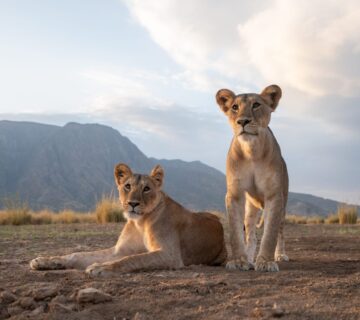
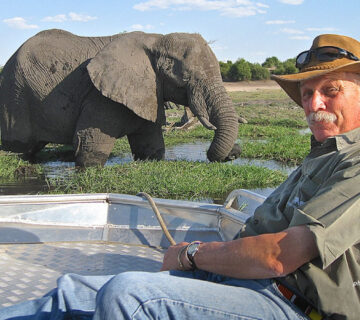
Elephants move regularly along the river corridor, often appearing in large family groups. Lions, leopards, and cheetahs thrive here as well, though predator sightings feel more intimate and less predictable than in busier reserves.
Birdlife is rich and varied, especially around the river. Kingfishers, bee-eaters, and raptors add constant activity to the reserve.
The Role of the Ewaso Ng’iro River
The Ewaso Ng’iro River forms the lifeline of Samburu. Even during harsh dry seasons, the river attracts wildlife from across the region. Elephants dig into sandy banks to access water, while crocodiles and hippos dominate deeper sections.
Game drives often follow the river course, which increases the chances of sightings and allows long, relaxed viewing sessions.
Best Time to Visit Samburu National Reserve
Dry months from June to October offer the best wildlife concentration and easier road conditions. Animals gather along the river, and visibility improves due to sparse vegetation. These months suit photographers and first-time Samburu visitors.
The green season from November to May transforms the landscape. Short rains bring fresh grass and vibrant colors, while longer rains make the reserve quieter and more scenic. Wildlife remains present year-round due to the permanent river, making Samburu a reliable destination in all seasons.
Cultural Encounters in Samburu
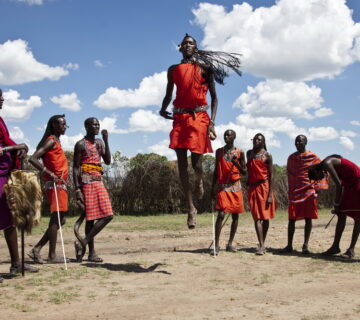
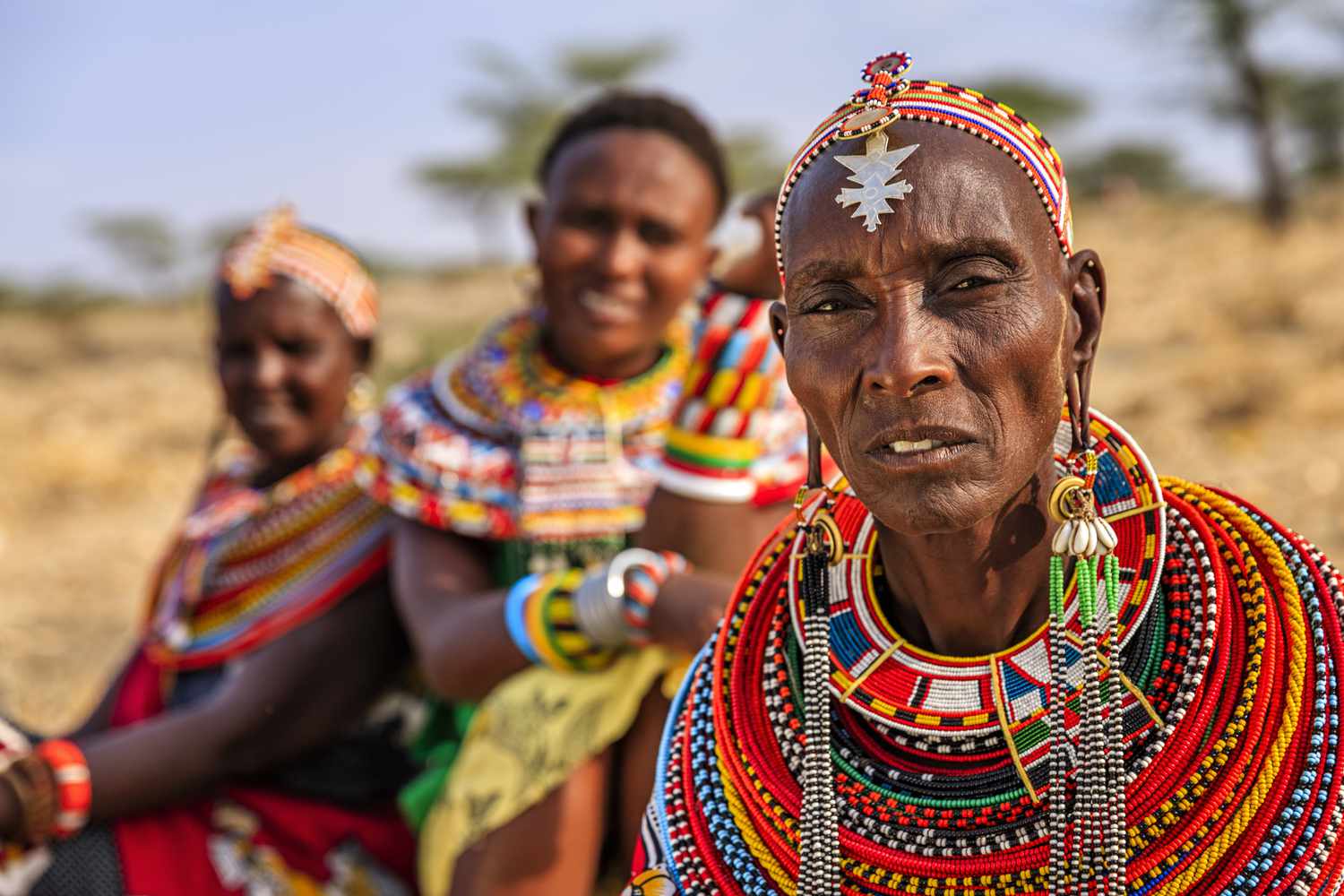
Samburu culture forms a core part of the safari experience. The local pastoral communities maintain strong traditions, colorful attire, and a close relationship with their land and livestock. Cultural visits offer insight into daily life, customs, and survival in a challenging environment.
When arranged responsibly, these visits add depth to the safari and support local livelihoods without disrupting traditional ways of life.
Safari Activities in Samburu
Game drives remain the primary activity, focusing on river corridors and open plains. Walking safaris operate in selected areas with trained guides, offering a deeper connection to tracks, plants, and smaller wildlife.
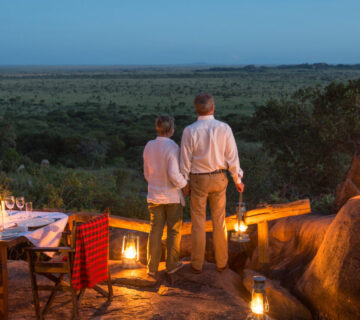
Sundowners overlooking the river and surrounding hills are a highlight, especially as wildlife moves toward water in the late afternoon.
Accommodation Options in Samburu
Samburu offers high-quality lodges and camps that blend well with the environment.
Luxury travelers often choose properties such as Saruni Samburu and Elephant Bedroom Camp, which offer elevated views, strong guiding, and intimate safari experiences.
Mid-range options like Samburu Sopa Lodge and Ashnil Samburu Camp provide comfort, good access to wildlife areas, and reliable service.
Budget camps around the reserve offer clean accommodation and guided game drives, making Samburu accessible to a wider range of travelers without losing its wilderness feel.
Getting to Samburu National Reserve
Most travelers reach Samburu by road from Nairobi, passing through central Kenya’s highlands and rural landscapes. The journey takes time but offers scenic variety.
Fly-in safaris operate from Nairobi’s Wilson Airport to nearby airstrips, significantly reducing travel time and increasing comfort. This option works well for travelers combining Samburu with other distant parks.
Responsible Tourism in Samburu
Tourism supports conservation and community development in northern Kenya. Park fees help protect wildlife corridors and fund ranger operations. Many lodges partner with local communities to support education, healthcare, and conservation awareness.
Choosing responsible operators ensures your visit contributes positively to both wildlife protection and cultural preservation.
Final Thoughts on a Samburu Safari
A Samburu safari delivers rarity, authenticity, and space. The reserve’s unique species, dramatic landscapes, and living culture create an experience that feels deeply connected to place. For travelers seeking a safari beyond the usual routes, Samburu offers one of Kenya’s most rewarding alternatives.