Rwanda’s Royal History Explained
Rwanda’s royal history reveals a deeply organized and symbolic monarchy that shaped the country’s identity long before colonial influence. Rooted in tradition, leadership, and cultural cohesion, the Rwandan Kingdom played a central role in governance, land management, social order, and spiritual life across Rwanda.
Origins of the Rwandan Kingdom
The Kingdom of Rwanda emerged several centuries ago, growing from small clan-based societies into a centralized monarchy. Early kings, known as Mwami, unified territories through diplomacy, strategic alliances, and shared cultural systems rather than constant warfare.
The monarchy established Rwanda as one of the most structured pre-colonial states in Africa, with defined leadership roles and governance systems.
The Role of the Mwami (King)
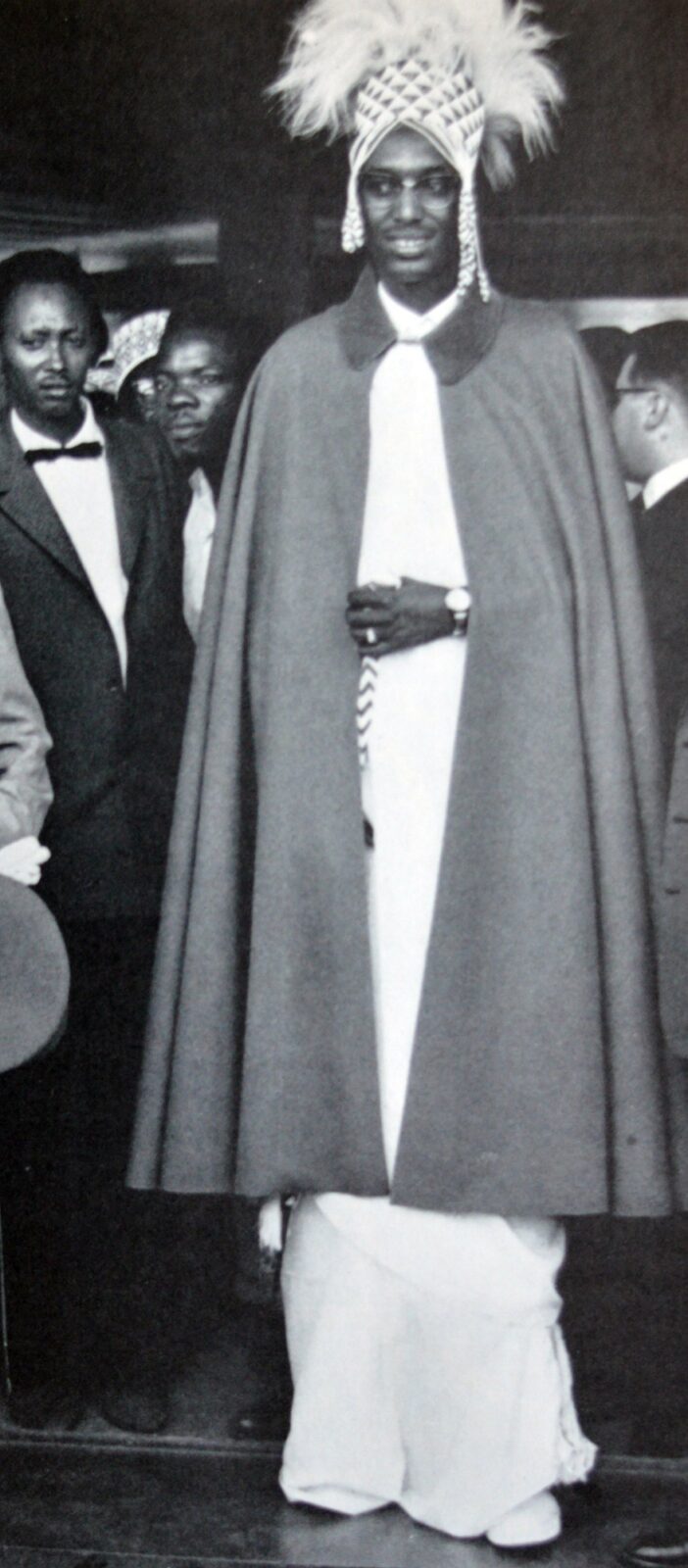
The Mwami was more than a political ruler. He served as the spiritual, cultural, and symbolic head of the kingdom. The king was believed to embody the nation’s well-being, fertility of the land, and harmony among people.
Royal authority was exercised through councils, chiefs, and ritual specialists, creating a layered governance system that balanced power and responsibility.
Royal Court and Governance Structure
Rwanda’s royal court operated with remarkable organization. The kingdom was divided into administrative regions governed by chiefs responsible for land, cattle, and military affairs. This system ensured order, food security, and social stability.
Cattle held immense cultural value, symbolizing wealth, status, and connection to the monarchy. Royal herds were carefully managed and used in ceremonial exchanges that reinforced loyalty.
Royal Rituals, Symbols, and Traditions
Rituals played a vital role in legitimizing royal authority. Sacred drums, especially the royal drum Kalinga, symbolized the continuity of kingship and national unity. Coronations, harvest ceremonies, and royal blessings reinforced the spiritual bond between the Mwami, the land, and the people.
Poetry, music, and oral storytelling preserved royal history and moral values, ensuring continuity across generations.
The Royal Capital at Nyanza
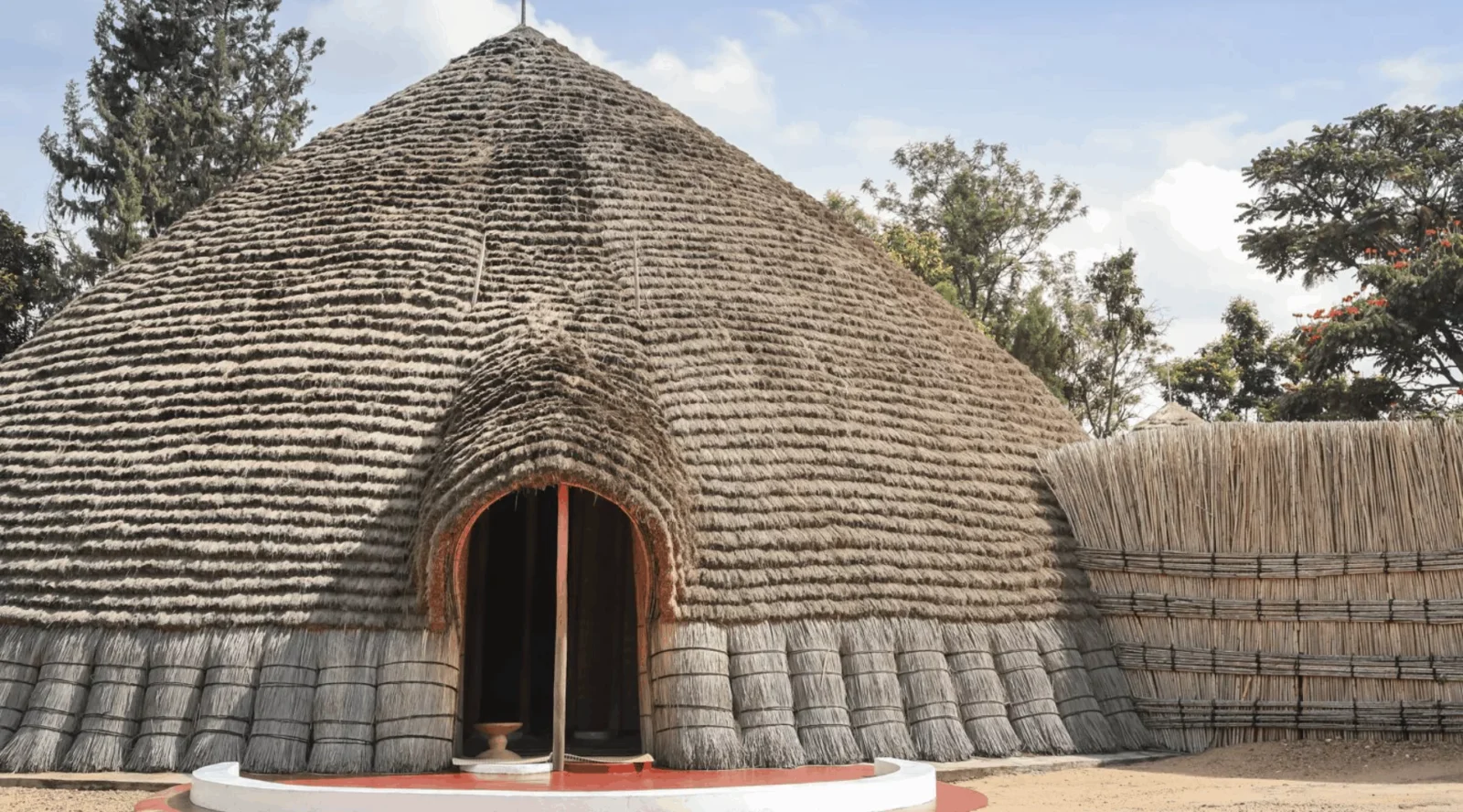
The historic seat of the Rwandan monarchy was located in Nyanza, where kings maintained royal residences and conducted state affairs. Today, this legacy is preserved at the King’s Palace Museum, which offers insight into royal life, architecture, and traditions.
Visitors can explore reconstructed palaces, royal cattle enclosures, and ceremonial spaces that bring Rwanda’s royal past to life.
Colonial Disruption and the End of the Monarchy
Colonial rule introduced new power structures that weakened traditional governance systems. Over time, the monarchy lost authority, and in 1961 Rwanda transitioned from a kingdom to a republic, formally ending centuries of royal rule.
Despite this shift, royal traditions and cultural values remained deeply embedded in Rwandan society.
Legacy of the Monarchy in Modern Rwanda
Today, Rwanda’s royal history is preserved through museums, cultural education, dance, music, and storytelling. Royal values such as unity, discipline, respect, and collective responsibility continue to influence national identity and governance philosophy.
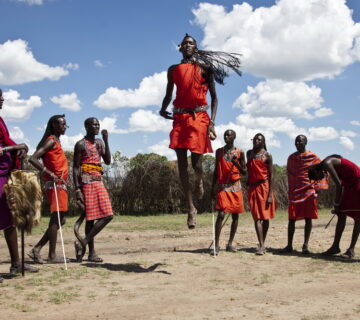
Cultural tourism experiences often draw upon royal symbolism, especially traditional dances like Intore, which originated in the royal courts.
Experiencing Rwanda’s Royal History Today
Travelers can engage with Rwanda’s royal heritage through visits to Nyanza, cultural villages, museums, and traditional performances. These experiences offer context to Rwanda’s customs, leadership traditions, and resilience as a nation.
Royal history also adds depth to cultural tourism around Volcanoes National Park and other heritage-focused regions.
Final Insight
Rwanda’s royal history explains the foundations of unity, order, and cultural pride that continue to shape the country today. From sacred kingship and royal rituals to modern preservation of heritage, Rwanda’s monarchy remains a powerful thread in the nation’s story—one that enriches every cultural encounter for visitors seeking deeper understanding.