
Rwandan Traditional Dance & Music
Rwandan traditional dance and music express the soul of Rwanda, reflecting centuries of history, values, and community identity. Rooted in storytelling, celebration, and social harmony, these performances play a central role in cultural life and remain an essential part of Rwanda’s living heritage.
The Cultural Meaning of Dance and Music in Rwanda
In Rwanda, dance and music go beyond entertainment. They communicate history, honor leadership, celebrate harvests, mark life events, and reinforce unity within communities. Every movement, rhythm, and costume carries symbolic meaning tied to bravery, resilience, elegance, and respect.
Traditional performances often accompany ceremonies, community gatherings, and cultural tourism experiences across the country.
Intore Dance – Rwanda’s Most Iconic Performance
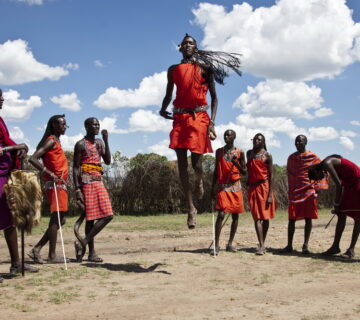
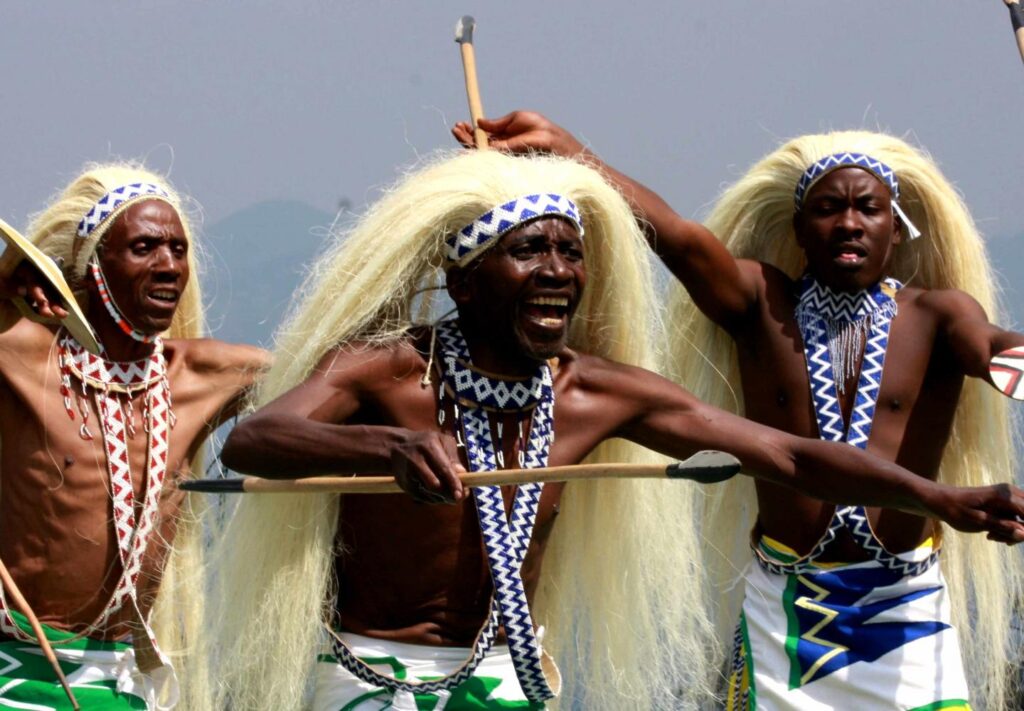
The Intore dance is Rwanda’s most famous traditional dance form. Historically performed for royal courts and warriors, Intore dancers wear elaborate costumes featuring grass wigs, bells, and spears. Their high jumps, precise footwork, and proud posture symbolize courage, strength, and discipline.
Intore performances are commonly seen at cultural villages, national celebrations, and around Volcanoes National Park, where they enrich visitor experiences with powerful visual storytelling.
Traditional Drumming and Rhythm
Drumming forms the heartbeat of Rwandan traditional music. Large wooden drums, played in synchronized rhythms, set the pace for dancers and singers. Drumming patterns vary depending on the occasion, from energetic celebrations to solemn ceremonies.
Drummers often perform in ensembles, creating layered rhythms that guide dancers and draw audiences into the performance.
Vocal Music and Storytelling
Traditional Rwandan songs are rich in poetry and narrative. Sung in groups or call-and-response styles, lyrics recount historical events, praise leadership, express gratitude, and share moral lessons. Music becomes a way of preserving oral history and passing knowledge between generations.
These vocal traditions remain strong in rural communities and cultural centers throughout Rwanda.
Costumes and Visual Expression
Traditional attire plays a key role in dance performances. Dancers wear flowing garments, beaded accessories, and symbolic headpieces that enhance movement and visual impact. Colors and materials often reflect regional identity, social status, and performance type.
Costumes transform performances into vivid expressions of cultural pride.
Where to Experience Rwandan Traditional Dance & Music
Visitors encounter traditional dance and music across Rwanda. Cultural villages such as Gorilla Guardians Village and Iby’Iwacu Cultural Village offer immersive performances led by local communities.
Hotels, festivals, community centers, and national events also feature traditional performances, making cultural experiences accessible throughout the country.
Role of Dance and Music in Modern Rwanda
Traditional dance and music continue to evolve while preserving their roots. Schools, cultural groups, and community initiatives teach younger generations, ensuring continuity. Cultural tourism has further strengthened appreciation for these traditions by creating platforms for performance and cultural exchange.
Who Rwandan Traditional Dance & Music Appeals To
These cultural expressions appeal to travelers seeking authenticity, photographers capturing movement and color, educators exploring heritage, and visitors who want to connect with Rwanda beyond wildlife experiences.
Final Insight
Rwandan traditional dance and music capture the rhythm of a nation shaped by history, unity, and resilience. Through powerful movement, layered rhythms, and storytelling songs, Rwanda shares its identity with the world—inviting visitors to witness culture that is alive, proud, and deeply meaningful.