
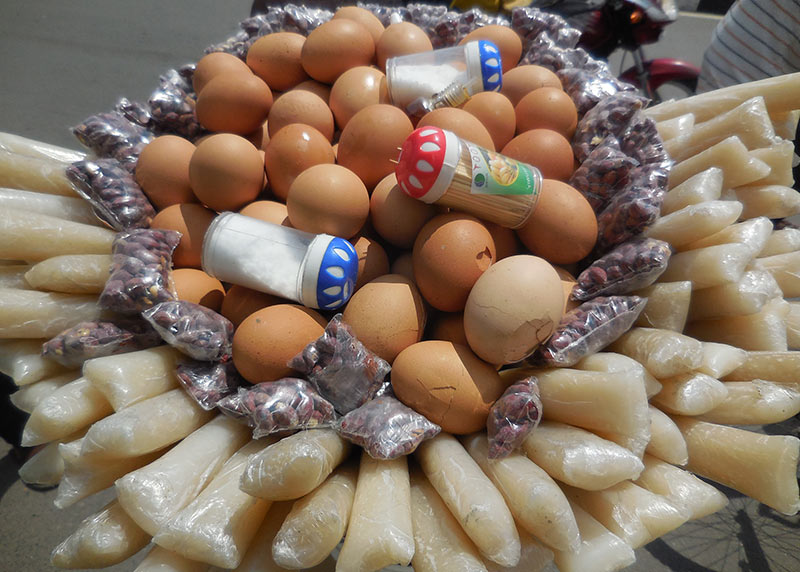
Rwandan Food & Culinary Experiences
Rwandan food and culinary experiences offer travelers a flavorful introduction to everyday life in Rwanda. Rooted in agriculture, community, and simplicity, Rwandan cuisine reflects the country’s landscapes and traditions, with meals centered around fresh local ingredients, shared dining, and cultural connection.
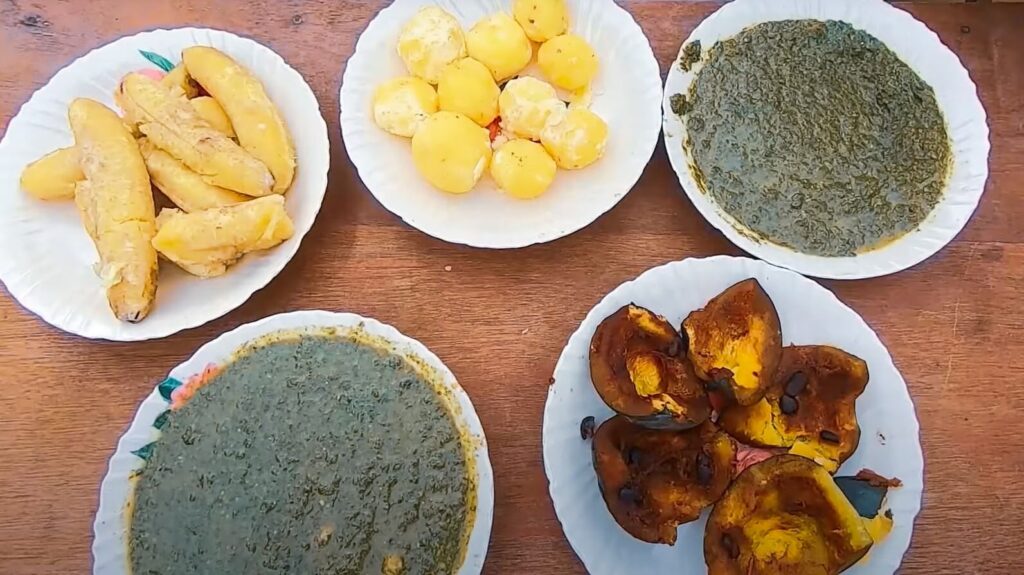
What Defines Rwandan Cuisine
Rwandan cuisine is largely farm-to-table, shaped by what grows locally across the country’s fertile hills. Meals emphasize grains, legumes, vegetables, and fruits, with meat enjoyed on special occasions. Cooking methods are simple, allowing natural flavors to stand out while highlighting the importance of communal eating.
Food in Rwanda is not rushed. Meals are moments of togetherness, hospitality, and conversation.
Staple Foods in Rwanda
Staples form the backbone of everyday meals. Common dishes include beans cooked slowly with onions and tomatoes, maize-based foods, sweet potatoes, cassava, plantains, and Irish potatoes. These ingredients appear across homes, markets, and local restaurants, prepared in different regional styles.
Ugali, a firm maize porridge, often accompanies stews and vegetables, while rice is popular in urban areas and during celebrations.
Traditional Dishes and Local Specialties
Rwandan cuisine features several distinctive dishes. Isombe, made from cassava leaves cooked with groundnuts, is one of the most iconic traditional meals. Matoke, prepared from green bananas, is widely enjoyed, often served with beans or meat sauces.
Brochettes—grilled skewers of goat, beef, or fish—are a national favorite, commonly found at roadside eateries and local bars. Sambaza, small fried fish from Lake Kivu, offer a flavorful lakeside specialty.
Street Food and Local Eateries
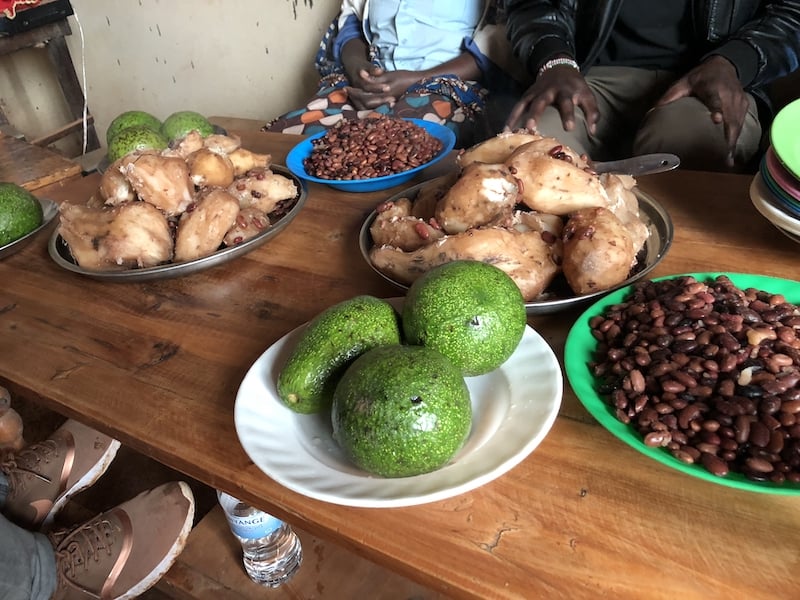
Street food plays an important role in Rwanda’s culinary scene. In towns and villages, vendors sell roasted maize, sweet potatoes, chapati, samosas, and brochettes, offering affordable and authentic tastes of local life.
Eating at local eateries allows travelers to experience Rwanda’s food culture in its most genuine form while supporting small businesses.
Markets and Farm Experiences
Local markets are vibrant centers of culinary culture. Visitors encounter piles of fresh produce, spices, grains, and fruits, learning how ingredients move from farm to table. Market visits often form part of rural village experiences, where hosts explain traditional cooking methods and seasonal foods.
Some community tours include farm visits, cooking demonstrations, or shared meals that deepen understanding of Rwandan food traditions.
Culinary Experiences Around National Parks
Food experiences complement wildlife and cultural tourism. Around Volcanoes National Park, visitors enjoy traditional meals prepared by community cooperatives. Near Nyungwe Forest National Park, forest-edge communities share local recipes using regional produce. In eastern Rwanda, dishes around Akagera National Park reflect pastoral and savannah influences.
These meals strengthen the link between tourism, culture, and conservation.
Modern Rwandan Cuisine and Dining
Urban centers, especially Kigali, showcase a growing culinary scene that blends traditional flavors with modern presentation. Restaurants experiment with local ingredients while maintaining cultural identity, offering travelers refined dining alongside authentic home-style meals.
This fusion reflects Rwanda’s evolving food culture and creative energy.
Dining Etiquette and Cultural Respect
Meals in Rwanda emphasize politeness and gratitude. Washing hands before eating, accepting food when offered, and eating together respectfully are important cultural norms. Visitors are encouraged to try local dishes and express appreciation, even when flavors are new.
Sharing food is seen as a sign of trust and hospitality.
Who Rwandan Culinary Experiences Are Best For
Rwandan food experiences suit travelers seeking cultural immersion, families exploring local life, photographers capturing food culture, and visitors who want to understand Rwanda beyond wildlife and scenery.
Culinary experiences add warmth and authenticity to any Rwanda itinerary.
Final Insight
Rwandan food and culinary experiences tell the story of the land and its people. Through simple ingredients, shared meals, and local traditions, visitors discover a cuisine rooted in community, resilience, and hospitality—making every bite part of a deeper cultural journey.