Rwanda Wildlife Conservation Efforts
Rwanda wildlife conservation efforts. Rwanda’s wildlife conservation efforts rank among the most successful in Africa, combining strong governance, community involvement, and sustainable tourism. From protecting endangered mountain gorillas to restoring savannah ecosystems, Rwanda has demonstrated how conservation can drive both biodiversity recovery and national development.
A National Commitment to Conservation
Wildlife conservation in Rwanda is guided by clear national policy and long-term vision. Protected areas receive strong legal protection, professional management, and consistent investment. Conservation is treated as a national priority, closely linked to tourism, community welfare, and environmental sustainability.
This commitment has allowed Rwanda to safeguard critical habitats while restoring wildlife populations that once faced serious decline.
Mountain Gorilla Conservation Success
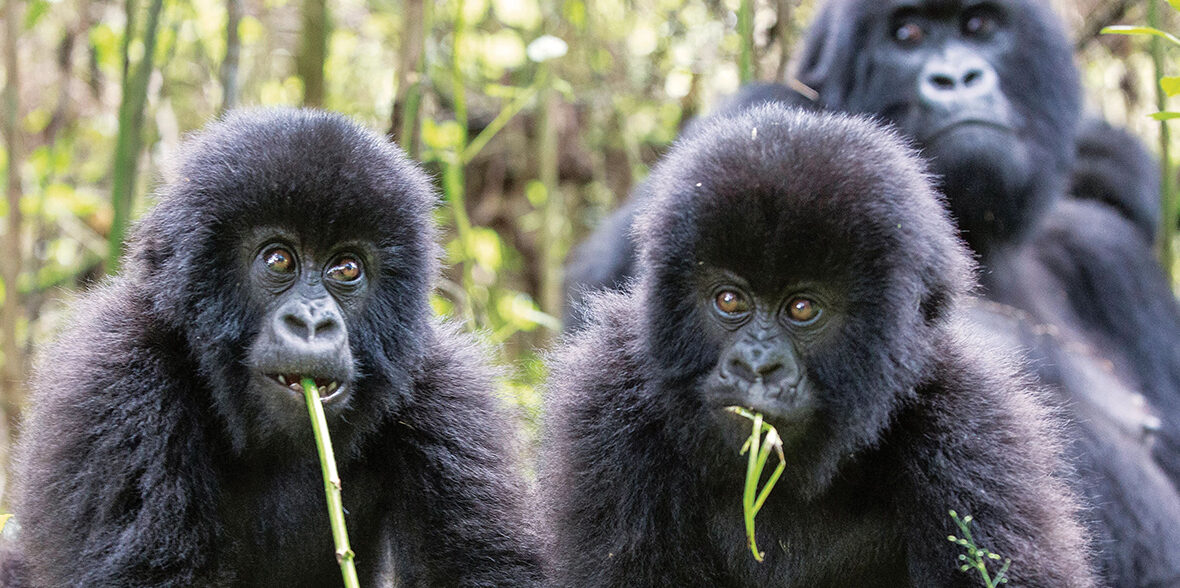
The most globally recognized conservation effort centers on mountain gorillas in Volcanoes National Park. Through strict permit control, veterinary intervention, anti-poaching patrols, and habitat protection, Rwanda has played a central role in stabilizing and increasing gorilla populations.
Revenue from gorilla trekking directly supports conservation activities and community development, creating a strong incentive for long-term protection of these endangered primates.
Savannah Restoration in Akagera
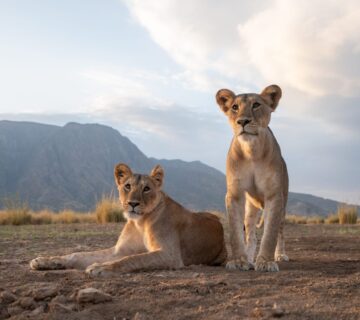
Rwanda’s conservation story extends beyond forests. In Akagera National Park, degraded savannah landscapes were restored through effective law enforcement, habitat recovery, and species reintroductions. Lions and rhinos were successfully returned, re-establishing a complete Big Five ecosystem.
This transformation turned Akagera into a thriving wildlife refuge and a powerful example of large-scale ecological recovery.
Rainforest Protection in Nyungwe
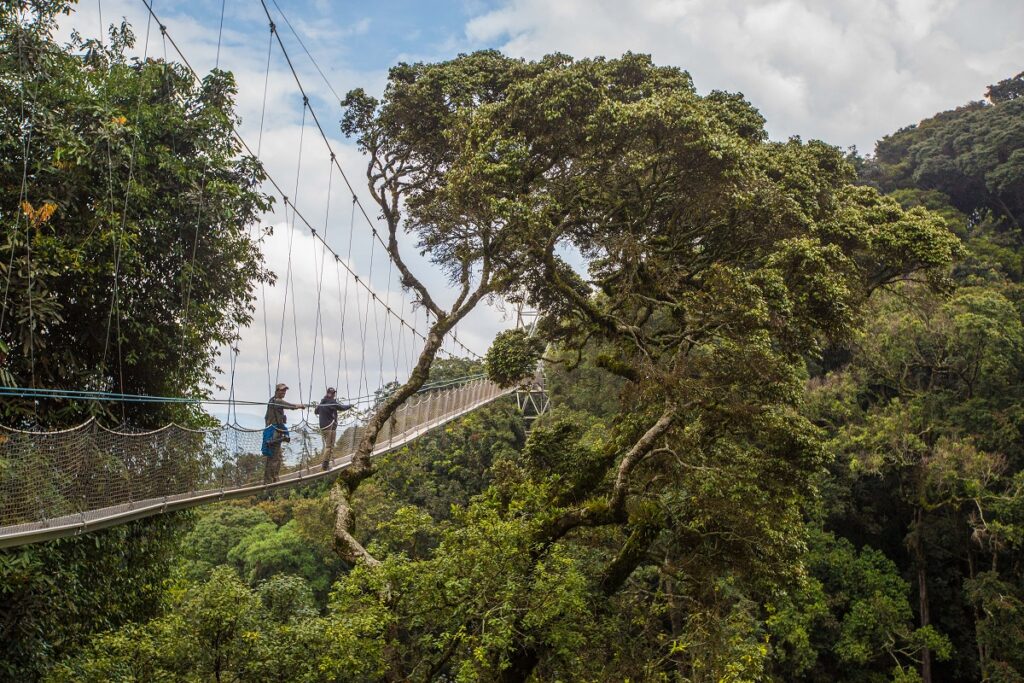
In southwestern Rwanda, Nyungwe Forest National Park protects one of Africa’s oldest montane rainforests. Conservation efforts here focus on safeguarding primate diversity, endemic bird species, and vital water catchments.
Research, ranger presence, and controlled tourism help preserve the forest while allowing visitors to experience its biodiversity responsibly.
Community-Based Conservation
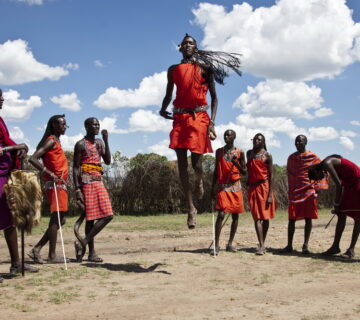
Community involvement forms the backbone of Rwanda’s conservation model. Revenue-sharing programs ensure that tourism income supports schools, healthcare, infrastructure, and livelihoods in communities surrounding national parks.
Local residents benefit from employment as rangers, guides, lodge staff, and conservation partners, reducing human-wildlife conflict and strengthening long-term support for protected areas.
Anti-Poaching and Wildlife Protection
Rwanda invests heavily in ranger training, surveillance, and modern monitoring systems. Anti-poaching patrols operate year-round, supported by intelligence-led enforcement and strong judicial backing. These measures have drastically reduced illegal activities and improved wildlife security across all national parks.
Conservation Through Sustainable Tourism
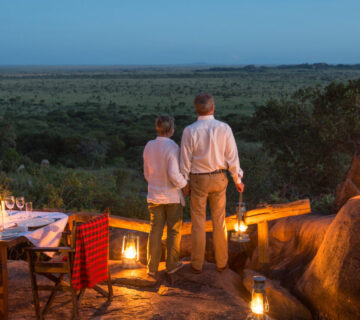
Tourism plays a critical role in funding conservation. Rwanda focuses on low-volume, high-value tourism that minimizes environmental impact while maximizing revenue for protection and communities. Carefully regulated visitor numbers, strict guidelines, and conservation fees ensure tourism supports rather than threatens wildlife.
Regional and Global Conservation Leadership
Rwanda actively participates in regional and international conservation initiatives, sharing best practices and collaborating on cross-border wildlife protection. The country’s conservation model is now studied and replicated across Africa.
Final Insight
Rwanda’s wildlife conservation efforts prove that determined leadership, community partnership, and sustainable tourism can reverse biodiversity loss. From gorilla protection and rainforest preservation to savannah restoration, Rwanda stands as a global example of how conservation and development can succeed together.