Rwanda Weather & Climate Guide
Rwanda’s weather plays a major role in shaping travel experiences, yet many first-time visitors underestimate how varied conditions can be across the country. Despite lying close to the equator, Rwanda enjoys a temperate climate due to its high elevation, earning it a reputation for pleasant, year-round travel conditions. Understanding Rwanda’s climate helps travelers plan activities, pack appropriately, and choose the best time for specific experiences.
Weather in Rwanda influences trekking difficulty, road conditions, photography opportunities, and overall comfort. While the country remains accessible throughout the year, seasonal rainfall patterns and altitude differences create noticeable variations. Travelers who understand these patterns enjoy smoother journeys and fewer surprises.
Rwanda’s Climate Overview
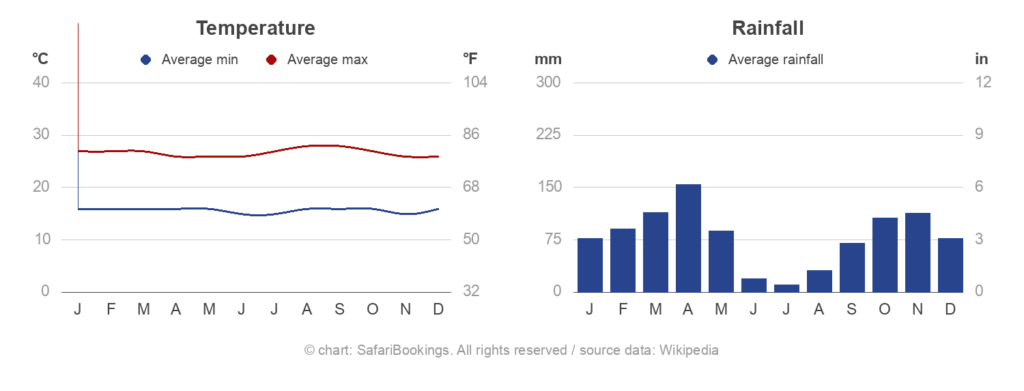
Rwanda has a tropical highland climate, meaning temperatures remain moderate rather than extreme. Elevation plays a greater role than latitude in determining weather conditions. Most regions experience warm days and cooler evenings, with significant temperature drops in mountainous areas.
Rainfall defines Rwanda’s seasons more than temperature changes. The country experiences alternating dry and rainy periods, which affect vegetation, trail conditions, and wildlife movement. Despite seasonal rains, Rwanda rarely experiences weather severe enough to halt travel completely.
Dry Seasons in Rwanda
The main dry season typically runs from June to September, with a shorter dry period from December to February. During these months, rainfall decreases, skies clear more frequently, and road conditions improve. These factors make travel more comfortable, especially for trekking and long road journeys.
Dry seasons attract higher visitor numbers due to favorable conditions. Trails remain firmer in forested parks, and wildlife viewing improves in savannah regions as animals gather near water sources. Travelers planning during these months should book early due to increased demand.
Rainy Seasons in Rwanda
Rwanda’s long rainy season usually occurs from March to May, while the short rainy season falls between October and November. Rain often arrives in the afternoon or evening rather than lasting all day. Forests become lush, rivers flow strongly, and landscapes turn vibrantly green.
Rainy seasons offer quieter travel experiences with fewer visitors. While trekking trails become muddier and more physically demanding, wildlife encounters remain reliable. Photographers often appreciate the dramatic skies and rich colors that rainy months provide.
Temperature Variations Across Regions
Temperature in Rwanda varies depending on altitude and location. Kigali and central regions experience warm daytime temperatures with mild evenings. Volcanic and forested areas in the north and southwest feel cooler, especially in the early morning and at night.
Savannah regions in the east, such as Akagera National Park, tend to be warmer and drier. Travelers moving between regions should prepare for noticeable temperature shifts within a single trip. Layered clothing helps manage these variations comfortably.
Weather in Volcanoes National Park
Volcanoes National Park experiences cooler temperatures and higher rainfall than much of the country due to elevation. Mornings often feel cold, with mist common throughout the year. Rain can occur even during dry seasons, making waterproof clothing essential.
Forest conditions influence gorilla trekking difficulty more than weather itself. While gorillas remain present year-round, rain increases trail slipperiness and vegetation density. Proper preparation ensures trekking remains safe and enjoyable regardless of season.
Weather in Akagera National Park
Akagera National Park experiences a warmer and drier climate compared to Rwanda’s western regions. Dry seasons improve wildlife visibility as animals concentrate near water sources. Grass remains shorter, making game viewing easier.
During rainy seasons, the park transforms into lush savannah, offering beautiful scenery and birdlife. Some areas may become harder to access, but wildlife viewing continues throughout the year. Weather conditions rarely disrupt safari activities entirely.
Weather in Nyungwe Forest
Nyungwe Forest National Park receives the highest rainfall in Rwanda. Dense rainforest conditions create cooler temperatures and frequent mist. Rainfall supports exceptional biodiversity but also increases trekking difficulty.
Visitors should expect wet conditions at any time of year. While dry months offer slightly improved hiking conditions, rain remains possible year-round. Proper rain gear and sturdy footwear are essential for comfort in this region.
Best Weather for Gorilla Trekking
Dry seasons offer the most comfortable weather for gorilla trekking, with less mud and clearer forest trails. Trekking during these months requires less physical effort and offers improved visibility. These conditions appeal especially to first-time trekkers.
Rainy seasons bring more challenging conditions but also quieter experiences. Gorilla sightings remain consistent, and experienced trekkers often enjoy the added sense of adventure. Choosing the best season depends on comfort level rather than success rate.
Weather Considerations for Photography
Weather significantly affects photography in Rwanda. Dry months provide clearer skies and easier movement, while rainy seasons offer dramatic lighting, misty forests, and vibrant landscapes. Each season presents unique photographic opportunities.
Forest photography benefits from diffused light during overcast conditions. Savannah photography improves during dry months when wildlife visibility increases. Photographers should plan based on creative preference rather than avoiding rain entirely.
Packing Based on Weather Conditions
Weather awareness directly informs packing decisions. Lightweight clothing suits daytime temperatures, while warmer layers remain necessary for evenings and high-altitude regions. Rain protection remains essential throughout the year.
Travelers should pack flexible clothing options that adapt to changing conditions. Being prepared for rain, cool mornings, and warm afternoons ensures comfort regardless of season or destination.
Plan Your Safari
Understanding Rwanda’s weather allows travelers to align expectations with reality and plan confidently. Whether visiting during dry or rainy months, Rwanda delivers reliable wildlife encounters and scenic beauty year-round. Thoughtful timing and preparation ensure that weather enhances rather than limits your safari experience.