Rwanda Travel Myths
Rwanda remains one of Africa’s most misunderstood destinations. Old narratives, outdated media coverage, and second-hand assumptions often shape how people imagine the country. In reality, Rwanda today is modern, safe, welcoming, and exceptionally well organized for travelers. Understanding and unlearning common Rwanda travel myths helps visitors plan with confidence and approach the country with openness rather than hesitation.
This guide addresses the most persistent myths about traveling to Rwanda and explains what travelers actually experience on the ground.
Myth 1: Rwanda Is Unsafe for Travelers
This is the most common and least accurate myth. Rwanda is widely recognized as one of the safest countries in Africa. Streets are clean, orderly, and well monitored, even at night. Violent crime against visitors is extremely rare, and public security feels visible without being intrusive.
In Kigali, travelers routinely walk, dine, and move around comfortably. Police presence focuses on prevention rather than reaction, and tourism operates under strict safety standards.
For solo travelers, families, seniors, and women traveling alone, Rwanda consistently exceeds expectations in terms of personal safety.
Myth 2: Rwanda Is Only About the Genocide
Rwanda’s history matters, but it does not define daily life today. The 1994 Genocide against the Tutsi is remembered with dignity and seriousness, yet Rwanda has built a future-focused national identity rooted in unity, innovation, and progress.
Visiting memorials such as the Kigali Genocide Memorial provides context and understanding, but travelers quickly discover that modern Rwanda is vibrant, forward-looking, and deeply resilient.
Travelers experience art, entrepreneurship, conservation success, and strong community life far beyond historical narratives.
Myth 3: Rwanda Has No Real Safari Experience
Many assume Rwanda only offers gorilla trekking. While gorillas are a highlight, Rwanda delivers a complete safari experience.
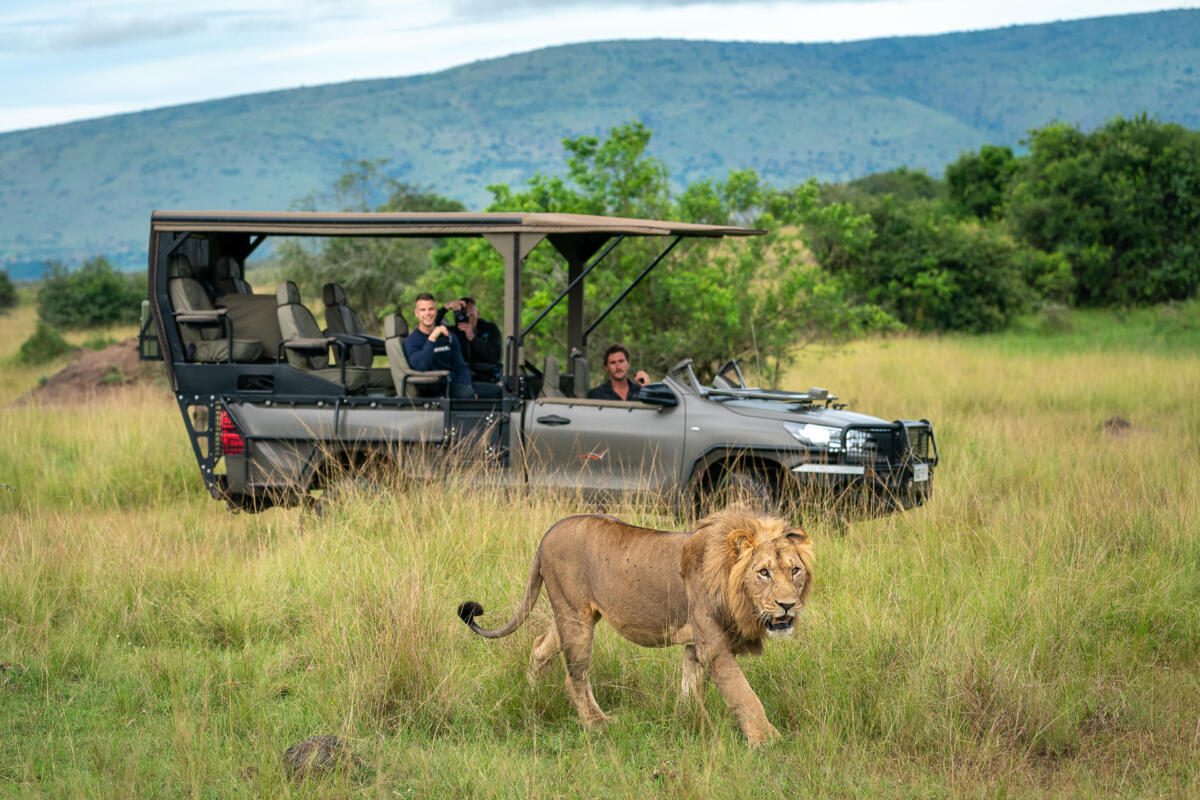
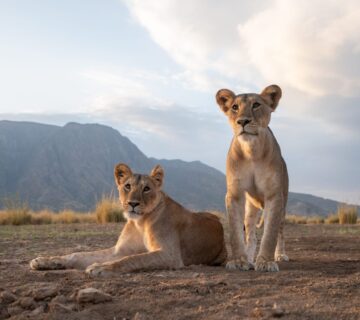
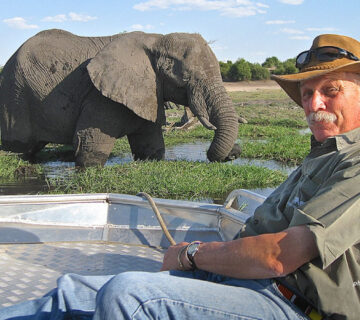
Akagera National Park offers Big Five wildlife, classic savannah landscapes, boat safaris, and excellent game viewing. Nyungwe Forest National Park adds chimpanzees, canopy walks, and one of Africa’s richest primate habitats.
Rwanda’s safaris feel intimate, uncrowded, and professionally managed, often surpassing expectations shaped by older safari stereotypes.
Myth 4: Rwanda Is Expensive and Only for Luxury Travelers
Rwanda positions itself as a high-quality destination, but it is not exclusively expensive. While gorilla trekking permits carry a premium, travelers can balance costs through midrange and budget accommodation, shared transport, and alternative experiences.
Akagera safaris, Lake Kivu stays, cultural tourism, and city experiences remain accessible. Rwanda allows travelers to choose where to spend and where to save, rather than forcing one travel style.
Value in Rwanda comes from safety, efficiency, and meaningful experiences, not excess.
Myth 5: Language Is a Major Barrier
Rwanda is one of the easiest African countries to navigate linguistically. English is widely spoken across tourism, government, and business sectors. Travelers communicate comfortably with guides, hotel staff, drivers, and park rangers throughout the country.
Kinyarwanda dominates daily life, but travelers who learn a greeting or two often receive warmer interactions. Language rarely limits experience here.
Myth 6: Rwanda Is Difficult to Travel Around
Rwanda’s compact size makes travel remarkably easy. Roads are well maintained, distances are short, and travel times are predictable. From Kigali, travelers reach gorilla forests, wildlife parks, rainforests, and Lake Kivu within a few hours.
Unlike destinations that require internal flights or long transfers, Rwanda allows smooth road travel with minimal fatigue. This ease surprises many first-time visitors.
Myth 7: Rwanda Lacks Nightlife and Modern Comforts
Rwanda may not be a party destination, but it offers modern comfort, stylish dining, cafés, and social spaces. Kigali features contemporary restaurants, rooftop lounges, cultural venues, and coffee culture that appeals to professionals, travelers, and digital nomads.
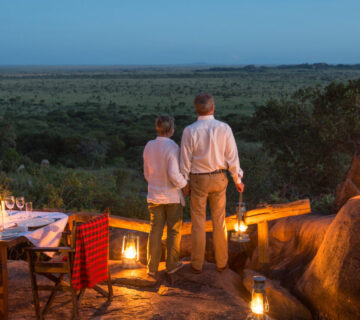
Comfort in Rwanda feels refined rather than flashy. Hotels, lodges, and services emphasize cleanliness, calm, and reliability over spectacle.
Myth 8: Rwanda Is Not Suitable for First-Time Africa Travelers
In reality, Rwanda ranks among the best African destinations for first-time visitors. Its safety, organization, cleanliness, and clarity reduce anxiety and confusion often associated with travel on the continent.
Safari experiences are structured, guides are highly professional, and infrastructure feels intuitive. Many travelers choose Rwanda specifically because it offers Africa without overwhelm.
Myth 9: Rwanda Is Only a Short Trip Destination
While Rwanda suits short safaris well, it also rewards longer stays. Extended itineraries allow travelers to experience culture, wildlife, lakeside relaxation, forest immersion, and slow travel without rushing.
Rwanda’s diversity unfolds gradually, making it just as suitable for long, immersive journeys as for quick visits.
Myth 10: Rwanda Feels Restrictive or Over-Controlled
Some assume Rwanda’s emphasis on order limits freedom. In practice, the opposite is true. Organization enhances ease, safety, and comfort. Travelers move freely, explore confidently, and enjoy public spaces without stress.
Rules exist to protect people, wildlife, and the environment, not to restrict visitors.
The Reality of Traveling in Rwanda
Rwanda today is calm, progressive, and deeply welcoming. Travelers find a country that values dignity, safety, and quality over noise and chaos. Experiences feel intentional, human, and emotionally resonant.
Those who arrive with myths often leave with admiration as Wanda was one of their most memorable and meaningful journeys in Africa.
Why Letting Go of Myths Matters
Travel myths shape expectations before a journey even begins. Letting go of outdated assumptions allows travelers to experience Rwanda as it truly is, not as it once was portrayed.
When myths fade, Rwanda reveals itself as a destination defined by resilience, beauty, and quiet confidence.