Rwanda Travel Guide for First-Time Visitors
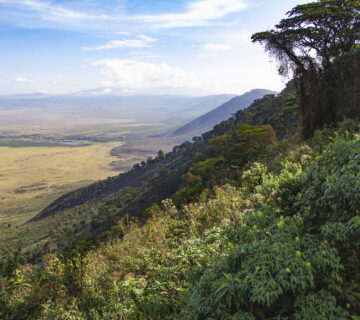
Rwanda is a compact, welcoming, and well-managed destination that offers first-time visitors an easy and rewarding introduction to Africa. The country combines dramatic landscapes, rare wildlife encounters, vibrant culture, and a strong sense of order and safety. Travelers quickly notice Rwanda’s cleanliness, organization, and respect for visitors, making it ideal for those exploring Africa for the first time. From misty volcanoes and rainforests to savannah plains and lakeside towns, Rwanda delivers variety without complexity.
Why Rwanda Is Perfect for First-Time Travelers
Rwanda removes many of the challenges often associated with first-time travel in Africa. Roads remain well maintained, distances between attractions are short, and tourism services operate efficiently. Strong governance and clear regulations create a calm environment where travelers feel confident moving around. Rwanda focuses on quality tourism rather than mass numbers, which results in fewer crowds and more meaningful experiences.
Rwanda’s Location and Accessibility
Rwanda sits in the heart of East Africa, bordered by Uganda, Tanzania, Burundi, and the Democratic Republic of Congo. Kigali International Airport serves as the main gateway and connects Rwanda to major regional and international hubs. Arrival procedures feel smooth and organized, and Kigali’s central location allows travelers to reach national parks, cultural sites, and lakeside destinations within a few hours.
Entry Requirements and Immigration Experience
Rwanda maintains one of Africa’s most traveler-friendly visa policies. Many nationalities qualify for visa-on-arrival access, while others apply online before travel. Immigration procedures move efficiently, and officials provide clear guidance to arriving visitors. Passports should remain valid for at least six months beyond entry, ensuring smooth border clearance.
Safety, Stability, and Peace of Mind
Rwanda ranks among the safest destinations in Africa. Low crime levels, visible law enforcement, and community-focused security create confidence for visitors. Travelers feel comfortable walking in city centers during the day and traveling between regions without concern. Solo travelers, families, and older visitors often describe Rwanda as calm and reassuring.
Best Time to Visit Rwanda
Rwanda welcomes visitors year-round due to its moderate climate. Dry seasons from June to September and December to February offer easier conditions for trekking and wildlife viewing. Rainy seasons bring lush landscapes and fewer tourists, though trails become muddier. Gorilla and chimpanzee trekking remain reliable throughout the year, allowing flexible travel planning.
Understanding Rwanda’s Climate
Rwanda’s high elevation keeps temperatures moderate across most regions. Days feel warm without extreme heat, while evenings cool down, especially in mountainous areas. Rainfall varies by region, with forests receiving more rain than savannah zones. Packing layers helps travelers adjust comfortably throughout the day.
Transportation and Getting Around
Rwanda’s compact size makes road travel efficient and comfortable. Driving times between destinations remain short, allowing visitors to experience multiple regions without exhaustion. Most first-time visitors prefer private or guided transport, which offers flexibility and local insight. Kigali also functions as a convenient base for short excursions and day trips.
Currency, Payments, and Travel Costs
The Rwandan Franc serves as the national currency, though card payments and mobile money are common in cities and major towns. Cash remains useful in rural areas. Rwanda positions itself as a high-value destination, especially for wildlife experiences such as gorilla trekking. Costs reflect conservation investment, infrastructure quality, and service standards rather than budget travel.
Cultural Awareness and Social Etiquette
Rwandan culture emphasizes respect, politeness, and humility. Greetings matter in daily interactions, and conversations often begin formally. Modest dressing remains appropriate, particularly in rural areas and cultural sites. Visitors should always ask permission before photographing people. Respect for these norms enhances interactions and deepens cultural understanding.
Language and Communication
Kinyarwanda unites the country linguistically, while English and French are widely spoken in tourism, education, and government. Most professionals working with travelers communicate fluently in English. Communication rarely poses challenges, and learning simple local greetings often creates positive connections.
Packing Essentials for First-Time Visitors
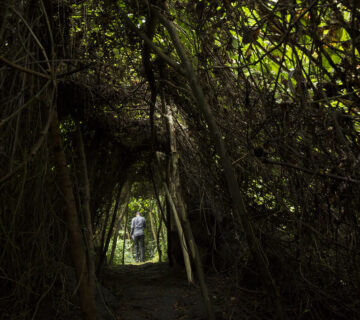
Packing for Rwanda depends on activities, but comfort and practicality matter most. Lightweight clothing works well during the day, while jackets help during cooler evenings. Travelers planning forest activities should pack long clothing for protection and sturdy footwear for uneven terrain. Proper preparation ensures comfort across Rwanda’s diverse landscapes.
Health Considerations and Preparation
Travelers should seek medical advice before arrival regarding recommended vaccinations. Healthcare facilities in major towns operate reliably, and pharmacies remain accessible. Travel insurance remains important, particularly for trekking and safari activities. Staying hydrated and following basic health precautions supports a smooth journey.
Experiences First-Time Visitors Should Not Miss
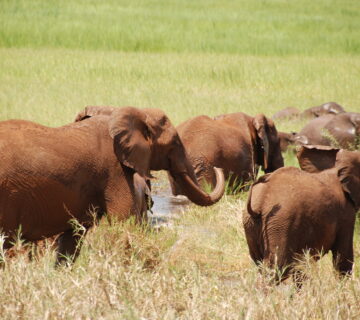
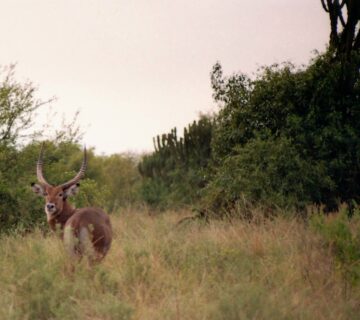
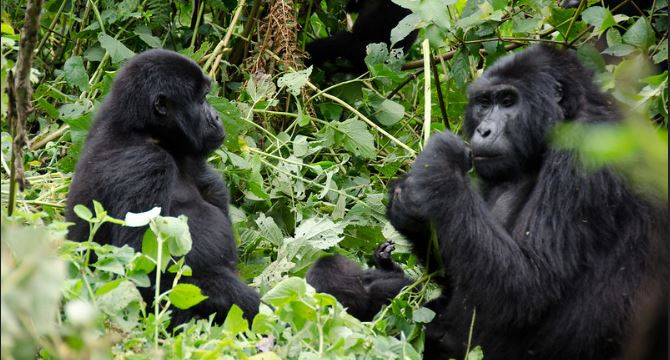
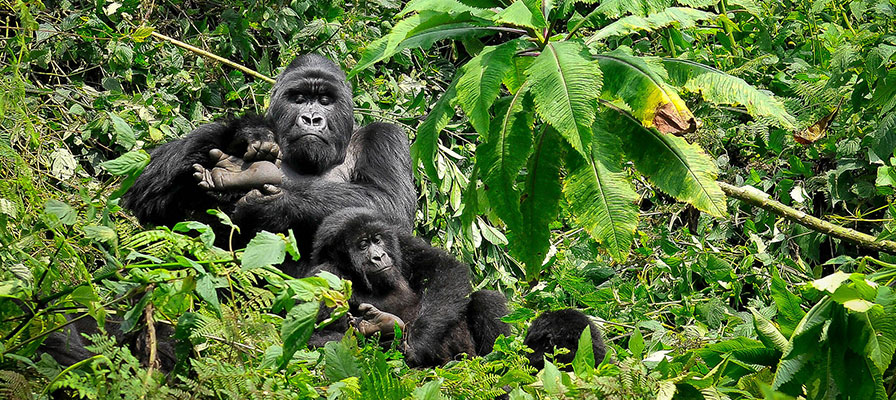
Mountain gorilla trekking stands as Rwanda’s most iconic experience, offering a powerful and emotional wildlife encounter. Kigali’s cultural and historical sites provide essential context to Rwanda’s modern identity. Savannah safaris in Akagera National Park and relaxation along Lake Kivu complete a balanced first visit.
Kigali as Your Introduction to Rwanda
Kigali offers a calm and modern entry point into Rwanda. The city blends contemporary life with cultural depth through museums, art spaces, markets, and cafés. Its cleanliness and relaxed pace help first-time visitors settle easily. Time spent in Kigali enriches understanding before exploring the countryside.
Responsible Travel and Conservation Values
Rwanda places conservation and community benefit at the heart of tourism. Visitor fees support wildlife protection, habitat preservation, and local development. Responsible behavior, respect for regulations, and cultural sensitivity help sustain Rwanda’s success. Every visitor contributes to long-term conservation simply by traveling responsibly.
Plan Your Safari
Planning a safari in Rwanda starts with understanding your interests, travel pace, and priorities. Whether your focus lies on gorilla trekking, wildlife safaris, cultural experiences, or relaxation, Rwanda allows seamless combinations within a single trip. Thoughtful planning ensures you experience Rwanda at its best while supporting conservation and local communities.