Rwanda Travel FAQs: Everything You Need to Know Before Visiting
Rwanda has become one of Africa’s most respected travel destinations, known for safety, order, conservation success, and meaningful wildlife encounters. Travelers researching Rwanda often ask similar questions about visas, safety, costs, health, transport, and gorilla trekking. This Rwanda Travel FAQs guide answers those questions in full detail, using clear language to help you plan with confidence.
Is Rwanda Safe for Tourists?
Rwanda is one of the safest countries to visit in Africa. Kigali feels calm, clean, and well organized, even after dark. Crime targeting visitors is extremely rare, and law enforcement maintains a professional and visible presence. National parks such as Volcanoes National Park, Nyungwe Forest, and Akagera National Park operate under strict security systems, with rangers and guides present at all times. Travelers who respect local laws and customs experience Rwanda as peaceful and welcoming.
Do I Need a Visa to Visit Rwanda?
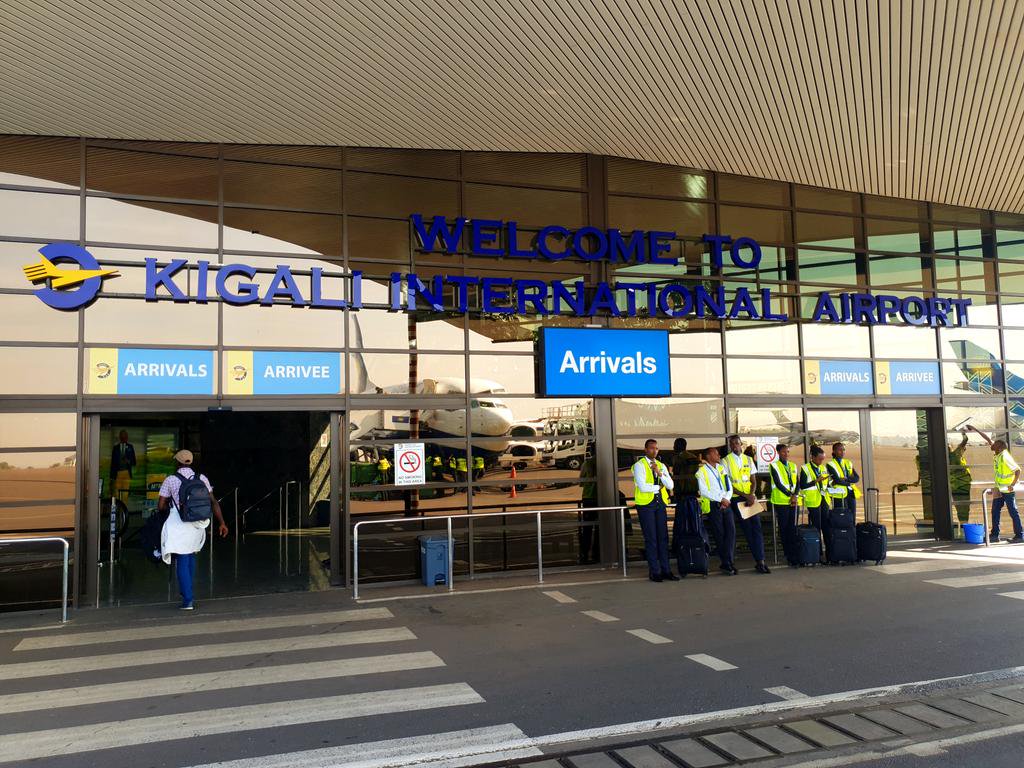
Most international visitors receive a visa on arrival without complications. Rwanda grants visa-free or visa-on-arrival access to many nationalities, including travelers from Europe, North America, Australia, and most African countries. The process at Kigali International Airport is efficient and straightforward. Travelers who prefer advance arrangements can apply for an electronic visa online. Your passport should remain valid for at least six months beyond your travel dates.
When Is the Best Time to Visit Rwanda?
Rwanda is a year-round destination, but dry seasons provide the easiest travel conditions. The period from June to September offers the best weather for gorilla trekking and wildlife safaris. Another favorable window runs from December to February, when rainfall stays light and temperatures remain pleasant. Rainy seasons bring greener landscapes and fewer visitors, which appeals to photographers and travelers seeking quieter experiences.
How Expensive Is Traveling in Rwanda?
Rwanda offers good value when measured against service quality, safety, and conservation impact. Daily travel costs depend on accommodation level and activities. Gorilla trekking permits represent the highest expense, priced at USD 1,500 per person. Outside of trekking, transport, meals, and guided activities remain reasonably priced, especially when arranged through a professional local operator.
Is Gorilla Trekking in Rwanda Worth the Price?
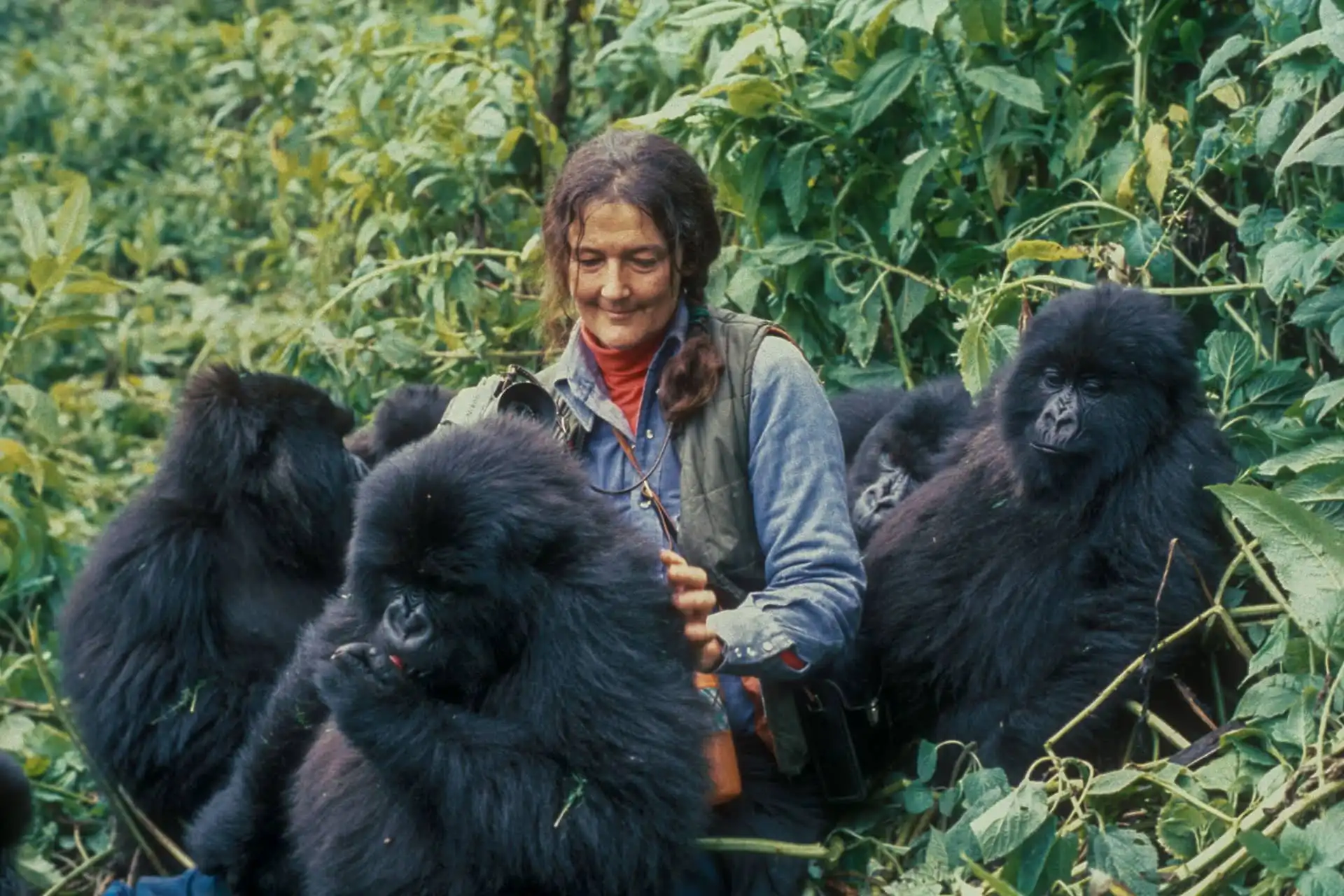
Gorilla trekking in Rwanda ranks among the world’s most powerful wildlife experiences. Observing mountain gorillas at close range creates an emotional and lasting memory. The permit fee directly funds conservation, ranger salaries, and community development projects. Many travelers consider the experience priceless and describe it as the highlight of their African journey.
How Physically Demanding Is Gorilla Trekking?
Gorilla trekking requires moderate physical effort. Treks vary in length and terrain, depending on where the gorilla families move. Rangers set a comfortable pace and allow rest stops throughout the walk. Porters are available to assist with backpacks and steep sections, making the experience manageable for most travelers with basic fitness.
What Health Precautions Should I Take Before Visiting Rwanda?
Travelers should consult a medical professional before departure. Yellow fever vaccination is required for visitors arriving from affected regions. Vaccinations for hepatitis A, typhoid, and tetanus are strongly recommended. Malaria exists in Rwanda, though risk remains relatively low. Most travelers take antimalarial medication and use mosquito protection. Travel insurance is essential, and medical facilities in Kigali offer reliable care.
What Currency Is Used in Rwanda?
The Rwandan Franc is the official currency. US dollars are widely accepted for tourism services, particularly in hotels and safari bookings. Credit cards work well in major establishments in Kigali and popular lodges, while cash remains useful in rural areas. ATMs are available in cities, but travelers should carry sufficient cash when traveling outside urban centers.
How Do Travelers Move Around Rwanda?
Rwanda’s road network is well maintained, and travel distances are short. Most visitors use private safari vehicles with experienced drivers. This option provides comfort, flexibility, and local knowledge. Public transport serves locals efficiently, but tourists prefer guided transfers for safety and convenience, especially when visiting national parks.
Which Languages Are Spoken in Rwanda?
Kinyarwanda is spoken throughout the country. English and French are official languages and commonly used in tourism, government, and business. Swahili is increasingly spoken due to regional trade. English-speaking travelers communicate easily across hotels, parks, and tour services.
What Cultural Etiquette Should Visitors Follow?
Rwandan culture values respect, politeness, and modest behavior. Greetings are important, and visitors should take time to acknowledge people before conversations. Modest dress is appreciated in towns and villages. Travelers should ask permission before photographing people, particularly in rural areas. Respecting these customs creates positive interactions and meaningful cultural exchange.
Can Rwanda Be Combined With Other Destinations?
Rwanda fits well into multi-country itineraries. Many travelers combine Rwanda with Uganda for additional gorilla trekking, Kenya for classic savannah safaris, or Tanzania for the Serengeti and Zanzibar. The East Africa Tourist Visa allows seamless travel between Rwanda, Uganda, and Kenya for eligible nationalities.
Is Rwanda Suitable for Families and Older Travelers?
Rwanda caters well to families and senior travelers. While gorilla trekking has age limits, many other experiences suit different age groups. Akagera National Park offers gentle game drives, while cultural visits and nature walks provide enriching alternatives. High service standards and quality healthcare add reassurance for older visitors.
What Makes Rwanda Different From Other African Destinations?
Rwanda stands apart through its efficiency, cleanliness, conservation success, and safety. The country balances luxury tourism with strong environmental and community values. Visitors experience wildlife, culture, and history within a compact and well-managed destination. Rwanda delivers depth without chaos, making travel smooth and rewarding.
Final Thoughts on Rwanda Travel
Rwanda offers clarity, security, and authenticity. From gorilla trekking to vibrant city life and conservation-driven tourism, the country delivers experiences that feel meaningful and well organized. With proper planning, Rwanda becomes one of Africa’s most satisfying destinations.