Rwanda Travel Costs Explained
Understanding travel costs helps first-time visitors plan confidently and avoid surprises. Rwanda positions itself as a high-value destination rather than a budget one, especially for wildlife and conservation-based travel. Costs reflect quality infrastructure, strong safety standards, and significant investment in conservation and community development. While Rwanda can suit different budgets, knowing where money goes allows travelers to plan realistically and enjoy the experience fully.
General Cost of Traveling in Rwanda
Daily travel costs in Rwanda vary depending on travel style, accommodation choices, and activities. City expenses in Kigali remain moderate compared to many international capitals, while costs increase significantly when national park activities are included. Transportation, food, and basic services remain reasonably priced, but signature experiences such as gorilla trekking dominate overall budgets.

Cost of Gorilla Trekking in Rwanda
Gorilla trekking represents the single largest expense for most travelers. A Rwanda gorilla trekking permit costs USD 1,500 per person, which includes park entry, ranger guides, security, and one hour with a habituated gorilla family. This cost reflects Rwanda’s low-impact tourism strategy and directly supports conservation and community initiatives. For many visitors, this experience defines the entire trip and justifies the investment.
Safari and National Park Costs
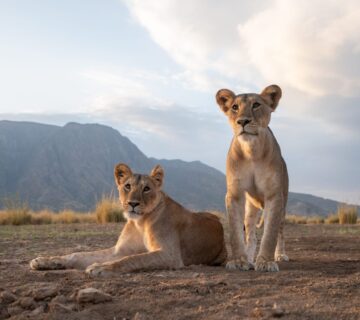
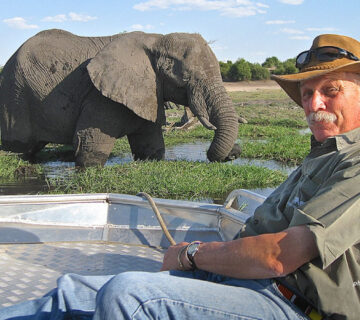
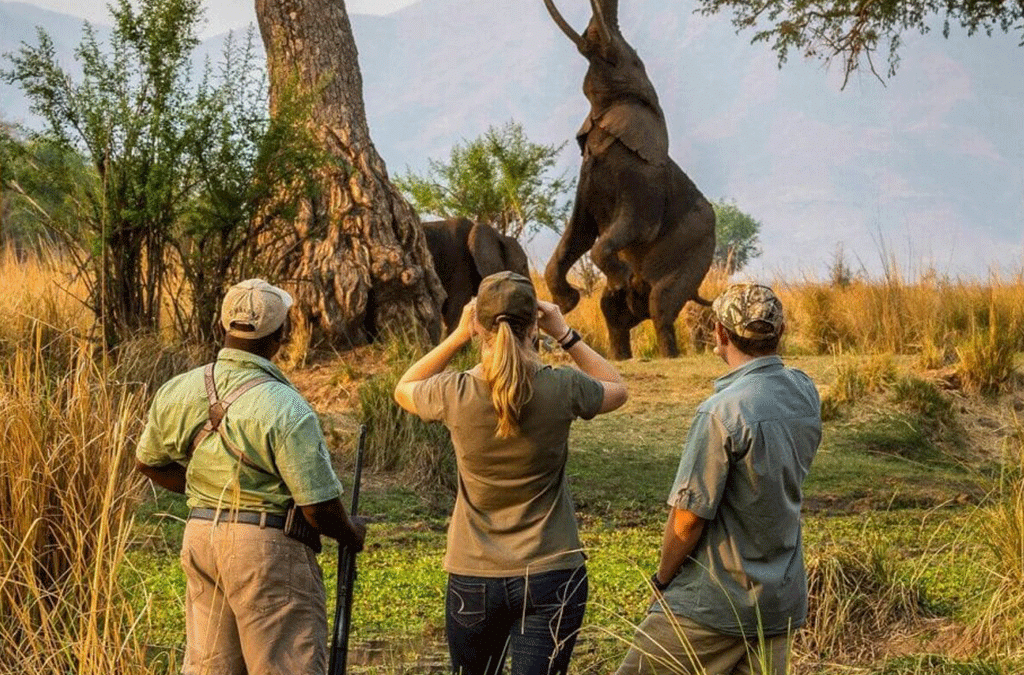
Other national parks in Rwanda involve additional costs, though they remain lower than gorilla trekking. Game drives, boat safaris, and park entry fees in savannah and forest parks contribute to the overall budget. These costs support wildlife protection, ranger patrols, and habitat maintenance. Visitors combining multiple parks should account for cumulative park fees when planning.
Accommodation Costs in Rwanda
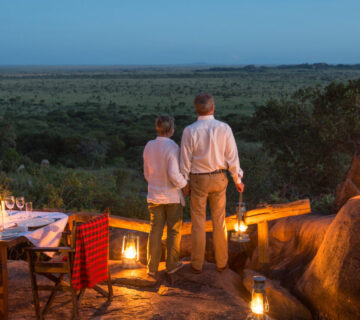
Accommodation prices in Rwanda vary widely based on location and comfort level. Kigali offers a broad range of options from comfortable mid-range hotels to high-end luxury properties. Near national parks, lodges tend to cost more due to remote locations and limited availability. Prices often include meals, guiding support, and scenic settings rather than just room rates.
Transportation and Getting Around Costs
Road transport forms the backbone of travel in Rwanda. Private transfers and guided transport cost more than public options but provide comfort, safety, and efficiency. Fuel prices and vehicle maintenance influence transport costs, particularly for longer itineraries. Short travel distances help keep overall transport expenses manageable compared to larger countries.
Food and Dining Expenses
Food costs in Rwanda remain moderate, especially when dining locally. Restaurants in Kigali range from casual eateries to upscale dining experiences. Meals at lodges often cost more due to location and service level. Travelers find that food expenses rarely dominate the budget unless dining exclusively at premium venues.
Guide and Activity Costs
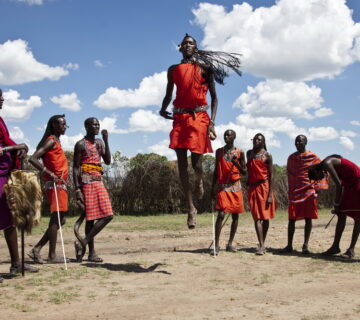
Guides play a crucial role in Rwanda’s tourism experience. Professional guiding adds value through local knowledge, safety awareness, and cultural insight. Activity fees for hiking, cultural visits, and community experiences vary but generally remain reasonable. These costs contribute directly to employment and local development.
Currency and Payment Considerations
The Rwandan Franc serves as the local currency, though card payments and mobile money remain common in urban areas. Cash becomes more useful in rural regions. Travelers should factor in exchange rates and limited ATM access outside major towns. Carrying small denominations helps with daily expenses and tipping.
Budget vs Luxury Travel in Rwanda
Rwanda accommodates both budget-conscious travelers and luxury seekers, but even budget travel reflects Rwanda’s emphasis on quality and safety. Luxury travel focuses on exclusivity, personalized service, and eco-conscious comfort. The difference lies more in experience level than access, as all visitors follow the same conservation rules and standards.
Seasonal Price Differences
Travel costs fluctuate slightly by season. Peak periods during dry months see higher demand for permits and accommodations. Rainy seasons may offer better availability and a quieter travel experience. Prices do not drop dramatically, but planning outside peak months can improve value and flexibility.
Hidden Costs to Consider
Visitors should budget for items such as travel insurance, tips, souvenirs, and optional activities. Health preparations and vaccinations may also add to pre-travel costs. Factoring these elements early prevents last-minute budget strain.
Value for Money in Rwanda
Rwanda delivers value through meaningful experiences rather than low prices. Clean cities, reliable services, strong safety, and impactful conservation outcomes enhance the overall return on investment. Travelers often describe Rwanda as expensive but worth every dollar due to the depth and quality of experiences.
Plan Your Safari
Planning travel costs early helps align expectations with reality. Rwanda rewards thoughtful budgeting with unforgettable wildlife encounters, cultural depth, and a smooth travel experience. By understanding where costs come from, travelers can design a safari that balances comfort, purpose, and value.