Rwanda Safari Transport Options
How to Move Comfortably and Efficiently Across Rwanda’s Safari Destinations
Choosing the right transport option plays a major role in shaping your Rwanda safari experience. Rwanda offers some of the best transport infrastructure in East Africa, with well-maintained roads, professional safari guides, and growing fly-in services. Because distances remain short, travelers enjoy flexibility rarely found in other safari destinations.
This guide explains Rwanda safari transport options in detail, helping you choose what best fits your itinerary, budget, comfort level, and travel style.
Why Transport in Rwanda Is Different From Other Safari Countries
Rwanda’s compact geography makes safari transport unusually efficient. From Kigali, travelers can reach gorilla forests, savannah parks, rainforests, and lakeside retreats within a single day’s drive. Roads are paved, signage is clear, and travel feels organized and predictable.
Unlike destinations that require internal flights for basic access, Rwanda allows road-based safaris to remain comfortable, scenic, and time-effective.
Private 4×4 Safari Vehicles – The Most Popular Choice
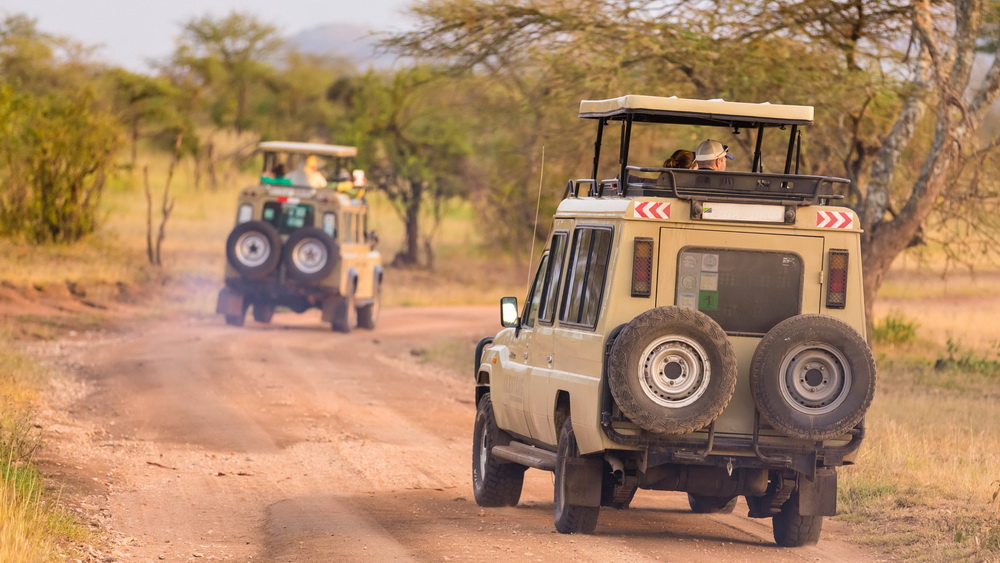
Private 4×4 safari vehicles form the backbone of Rwanda safari transport. These vehicles handle mountain roads, forest tracks, and savannah terrain comfortably while offering flexibility and control.
Most safaris use modified Land Cruisers or similar vehicles equipped with pop-up roofs for wildlife viewing in Akagera National Park. In forest regions like Volcanoes National Park, vehicles focus on comfort and stability rather than roof access, as trekking replaces game viewing.
A private vehicle allows travelers to stop for photography, scenic viewpoints, cultural encounters, and rest breaks without pressure. This option suits families, couples, photographers, and first-time safari travelers.
Driver-Guides and the Value They Add
Rwanda safari transport almost always includes a professional driver-guide. These guides do more than drive. They interpret wildlife behavior, manage park logistics, handle permits, and provide cultural context throughout the journey.
Because Rwanda emphasizes quality tourism, guides receive strong training and operate with professionalism and patience. For many travelers, the guide becomes a central part of the safari experience, especially on longer itineraries.
Shared Safari Transport for Budget Travelers
Shared transport options suit budget travelers and solo guests who want to reduce costs. These safaris use the same high-quality vehicles but share seats among guests following a fixed itinerary.
Shared transport works well for popular routes such as Kigali to Volcanoes National Park or Akagera National Park. While flexibility remains limited compared to private transport, costs drop significantly, making gorilla trekking and wildlife safaris more accessible.
Fly-In Safaris – Speed and Scenic Advantage
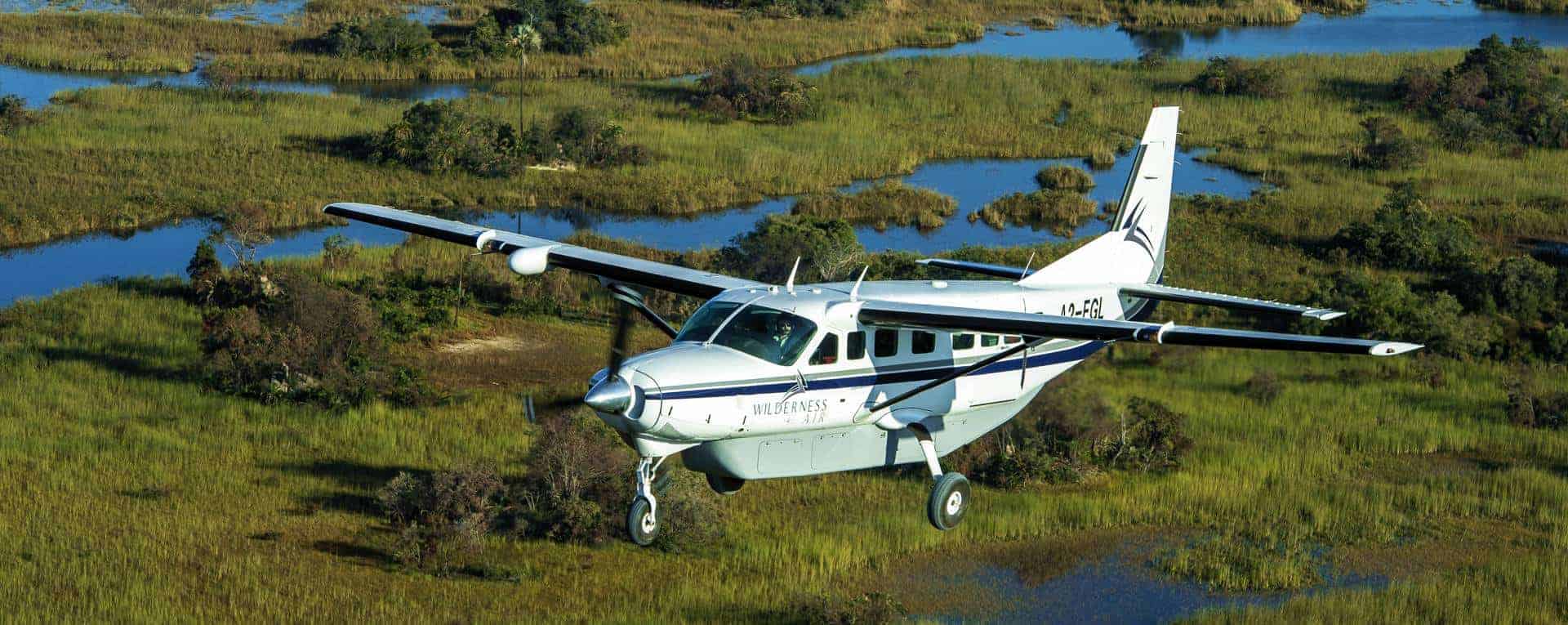
Fly-in safari transport appeals to travelers with limited time or a preference for luxury. Helicopters and light aircraft connect key safari regions, reducing long drives and offering breathtaking aerial views.
Fly-in transfers often link Kigali to Volcanoes National Park, Akagera National Park, Nyungwe Forest National Park, and Lake Kivu. These flights turn travel into an experience, revealing Rwanda’s hills, forests, and lakes from above.
While fly-in safaris cost more, they maximize time in each destination and suit honeymooners, photographers, and luxury travelers.
Domestic Flights and Charter Options
Rwanda offers limited scheduled domestic flights, so most air travel occurs through private charters. These flights operate on flexible schedules aligned with safari itineraries.
Charter flights work especially well for long itineraries that combine northern and southern parks. They also reduce fatigue on trips that include both Nyungwe Forest and Volcanoes National Park.
Public Transport and Why It Rarely Fits Safaris
Public buses and minibuses operate efficiently within Rwanda, but they rarely suit safari itineraries. These services do not enter national parks and follow fixed routes that limit flexibility.
While public transport may work for city-to-city travel, it does not support wildlife viewing, park entry timing, or luggage needs associated with safaris. Safari transport remains best handled through private or guided arrangements.
Boat Transport on Lake Kivu
Transport on Lake Kivu includes small boats and ferries that connect lakeside towns such as Gisenyi and Karongi. These boat journeys offer scenic alternatives to road travel and add variety to itineraries.
Boat transport on Lake Kivu focuses more on experience than efficiency, providing calm movement and beautiful views rather than speed.
Choosing the Right Transport for Your Safari Style
Transport choice depends on how you want to experience Rwanda. Travelers who value flexibility and photography usually choose private 4×4 vehicles. Budget travelers lean toward shared transport. Luxury travelers and time-sensitive visitors prefer fly-in options.
Families and older travelers benefit from shorter drives and flexible pacing, while adventure-focused travelers often enjoy longer scenic road journeys.
Safety and Comfort Standards
Rwanda maintains high safety standards across safari transport. Vehicles remain well maintained, drivers follow regulations, and parks enforce strict access rules. Seatbelts, speed limits, and professional conduct remain standard.
Travelers consistently describe Rwanda safari transport as smooth, safe, and stress-free compared to many safari destinations.
Transport as Part of the Safari Experience
In Rwanda, transport does not feel like wasted time. Scenic drives reveal daily life, landscapes, and cultural rhythm. Flights reveal scale and beauty from above. Boat rides add calm and contrast.
Choosing the right transport option ensures that movement between destinations enhances the safari rather than interrupting it.