Rwanda Safari Safety Guide
Rwanda is widely regarded as one of the safest safari destinations in Africa. With strong governance, professional park management, and well-regulated tourism, safaris in Rwanda offer a secure and well-organized environment for travelers. This guide explains what to expect and how to stay safe while enjoying Rwanda’s national parks and wildlife experiences.
General Safety in Rwanda
Rwanda enjoys low crime rates, excellent infrastructure, and a reputation for cleanliness and order. Visitors benefit from clear regulations, efficient security services, and a culture that values respect and responsibility. Travel between destinations is smooth, and safari operations follow strict standards set by national authorities.
Most travelers feel safe throughout their journey, whether in cities, rural areas, or protected wildlife zones.
Safety in National Parks
Rwanda’s national parks are professionally managed, with trained rangers, guides, and trackers present at all times. Activities take place only in designated areas and under expert supervision.
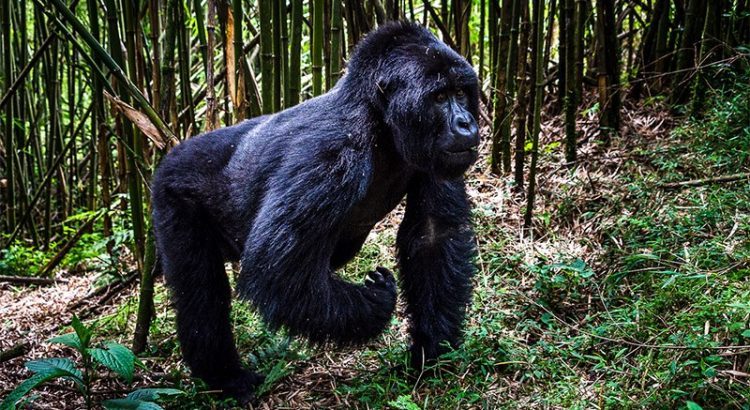
In Volcanoes National Park, gorilla trekking groups are accompanied by armed rangers and experienced trackers to ensure visitor safety and protect wildlife. In Akagera National Park, game drives and boat safaris operate under clear safety protocols, including vehicle rules and speed limits. Nyungwe Forest National Park activities such as chimpanzee trekking and canopy walks are guided and carefully controlled.
Wildlife Safety and Behavior
Wild animals in Rwanda are wild and unpredictable, but risks are minimized through strict regulations. Visitors must always follow guide instructions, maintain required distances, and avoid sudden movements or loud behavior.
During gorilla and chimpanzee trekking, health and safety rules protect both visitors and primates. These include group size limits, time restrictions, and hygiene measures to reduce disease transmission.
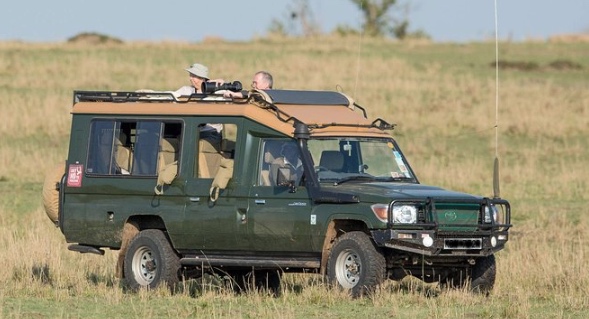
On game drives, staying inside the vehicle and respecting wildlife space ensures safe encounters with large mammals and predators.
Health and Medical Safety
Rwanda has reliable medical facilities, especially in Kigali. Travelers are advised to carry comprehensive travel insurance covering medical evacuation. Basic health precautions include staying hydrated, using insect repellent, and following recommended vaccinations.
For primate trekking, visitors showing flu-like symptoms may be denied access to protect wildlife health, reinforcing Rwanda’s strong safety and conservation standards.
Road and Transport Safety
Road conditions in Rwanda are among the best in the region. Safari transfers use well-maintained vehicles driven by trained professionals. Travel between parks is efficient, reducing fatigue and exposure to unnecessary risks.
Self-drive safaris are possible in Akagera National Park, but guided safaris are recommended for safety, navigation, and wildlife knowledge.
Political Stability and Border Areas
Rwanda is politically stable and safe for tourism. National parks are far from sensitive border areas, and safari routes avoid zones of concern. Travelers should follow standard travel advice and rely on licensed operators for logistics and guidance.
Personal Safety Tips for Safari Travelers
Simple precautions enhance safety during a Rwanda safari. Keep valuables secure, respect local customs, and follow park rules closely. Listening to guides, asking questions, and avoiding risky behavior contribute to a smooth and worry-free experience.
Safety for Families and Solo Travelers
Rwanda is suitable for families, solo travelers, and first-time safari visitors. Well-organized activities, clear rules, and attentive guiding create a safe environment for all age groups. Many lodges and operators cater specifically to families and private travelers.
Final Insight
Rwanda’s safari safety record reflects disciplined management, conservation-first tourism, and national stability. Whether trekking gorillas, exploring savannahs, or walking through ancient rainforests, travelers can enjoy Rwanda’s wildlife with confidence and peace of mind, knowing safety is a core priority at every level.