Rwanda Safari Cost FAQs: What to Expect and How to Budget
Rwanda offers some of Africa’s most refined safari experiences, combining strong conservation ethics with high service standards. Travelers planning a safari in Rwanda often ask how much a trip costs and what drives pricing. This Rwanda Safari Cost FAQs guide explains safari expenses in detail, helping you understand where your money goes and how to plan a realistic budget.
Why Are Safaris in Rwanda Considered Expensive?
Rwanda positions itself as a high-value, low-impact safari destination. The country limits visitor numbers in sensitive areas to protect wildlife and habitats. This approach increases exclusivity while ensuring conservation funding remains strong. Costs reflect this model, as well as Rwanda’s excellent infrastructure, professional guiding, and strict safety standards.
What Is the Average Cost of a Rwanda Safari?
The cost of a Rwanda safari varies by travel style and length. A mid-range safari usually ranges from USD 350 to USD 600 per person per day. Luxury safaris often range from USD 700 to over USD 1,200 per person per day. Budget options exist but are limited due to park regulations and permit costs.
What Is Included in a Typical Rwanda Safari Cost?
Most Rwanda safari prices include accommodation, meals, private transport in a 4×4 safari vehicle, professional driver-guide services, park entry fees, and scheduled activities. Some safaris also include airport transfers and bottled water. Gorilla trekking permits and optional activities may be included or charged separately depending on the package.
How Much Does a Gorilla Trekking Permit Affect Safari Costs?
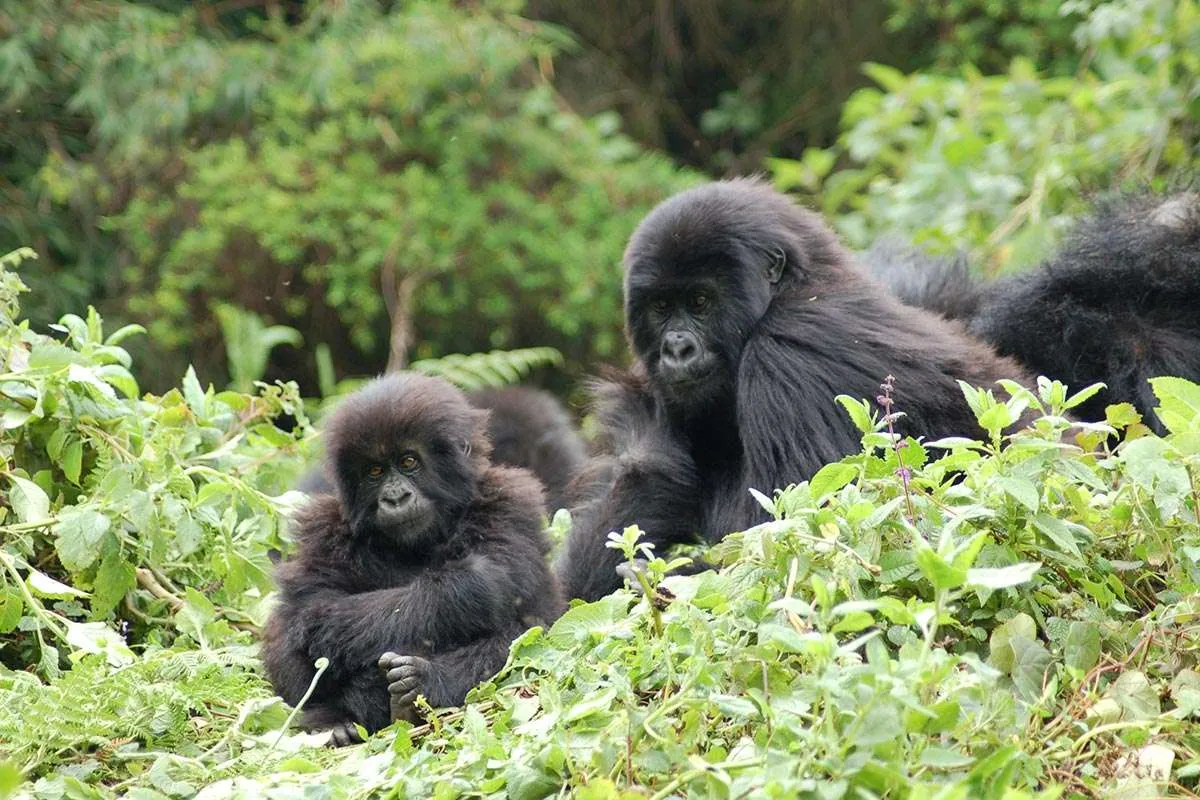
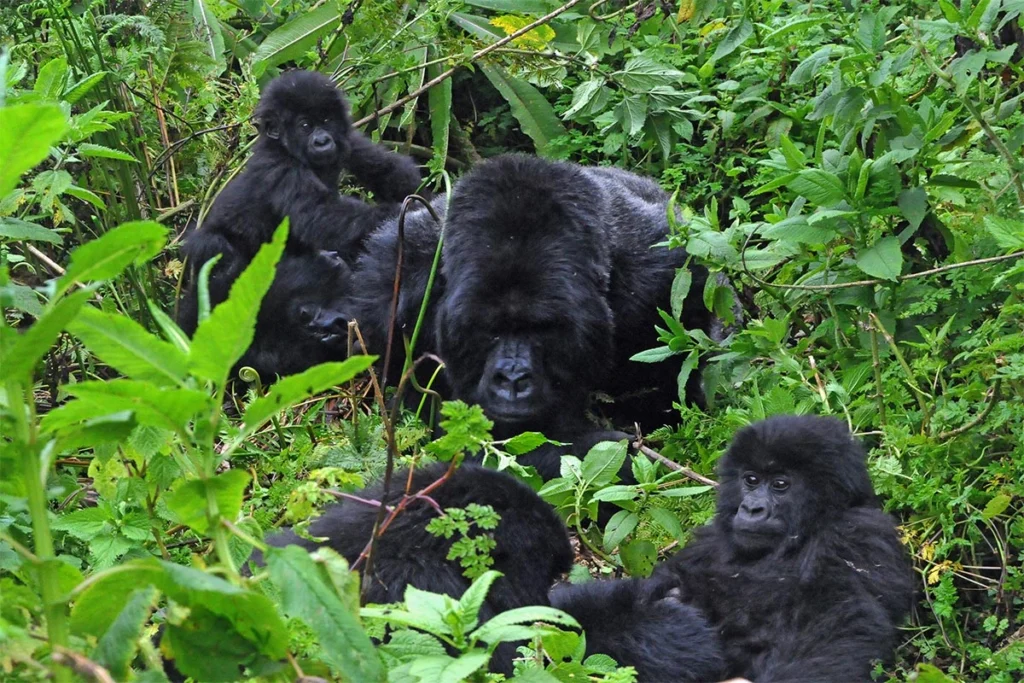
Gorilla trekking permits significantly influence safari budgets. In Rwanda, a single permit costs USD 1,500 per person. This fee alone can exceed the daily cost of accommodation and transport. Because permits directly fund conservation and community projects, they remain a non-negotiable part of gorilla safari pricing.
Are Rwanda Safaris Cheaper Without Gorilla Trekking?
Yes, safaris that exclude gorilla trekking are far more affordable. Wildlife safaris in Akagera National Park or chimpanzee trekking in Nyungwe Forest cost considerably less. These itineraries appeal to travelers seeking Rwanda’s landscapes and wildlife without the high permit expense.
How Do Accommodation Choices Impact Safari Costs?
Accommodation is a major cost driver in Rwanda. Luxury lodges near Volcanoes National Park and Akagera National Park offer premium services, private villas, and exclusive locations, which raise nightly rates. Mid-range lodges provide comfortable rooms and quality service at lower costs. Budget accommodation options exist but remain limited near key parks.
Does Safari Length Affect the Overall Cost?
Longer safaris increase total cost but often reduce daily averages. Multi-day itineraries allow better cost distribution across transport and guide services. Short safaris tend to feel more expensive per day due to fixed costs such as airport transfers and vehicle usage.
Are Private Safaris More Expensive Than Group Safaris?
Private safaris cost more than group tours but offer flexibility and comfort. Travelers control their pace, stops, and schedule. Group safaris reduce costs by sharing transport and guide services, though Rwanda offers fewer group departures compared to other safari destinations.
What Extra Costs Should I Budget For?
Travelers should budget for tips, travel insurance, visas, personal expenses, and optional activities. Drinks at lodges, souvenirs, and community visits may add to overall spending. International flights are usually not included in safari packages and should be planned separately.
Is Rwanda a Good Value Safari Destination?
Rwanda delivers strong value for travelers who prioritize quality, safety, and conservation impact. The country offers intimate wildlife encounters, excellent guiding, and efficient logistics. While prices are higher than some neighboring destinations, the experience quality and conservation contribution justify the cost for many travelers.
Can I Customize a Rwanda Safari to Control Costs?
Yes, safari costs can be adjusted through itinerary design. Choosing mid-range accommodation, limiting gorilla trekking days, traveling during shoulder seasons, and combining destinations efficiently help manage expenses. Working with a local operator ensures cost transparency and realistic budgeting.
When Is the Cheapest Time to Take a Rwanda Safari?
The rainy seasons from March to May and October to November offer lower accommodation rates and fewer visitors. While rain can affect trekking conditions, wildlife viewing remains good. Travelers who value savings over peak conditions often find these periods appealing.
Final Thoughts on Rwanda Safari Costs
Rwanda safari pricing reflects a deliberate conservation-driven tourism model. Travelers pay not only for comfort and access but also for wildlife protection and community development. Understanding cost structures helps you plan a safari that aligns with your budget and travel priorities.