Rwanda Genocide Memorial Visits
Rwanda Genocide Memorial visits offer travelers a profound opportunity to understand the country’s history, honor the victims, and reflect on resilience and reconciliation. These sites commemorate the lives lost during the 1994 Genocide against the Tutsi and explain how Rwanda has rebuilt itself through unity, remembrance, and justice.
Why Visit Rwanda’s Genocide Memorials
Genocide memorials are places of education and remembrance. They provide historical context, personal stories, and space for reflection, helping visitors grasp the gravity of events and the strength of Rwanda’s recovery. Visiting is not tourism in the usual sense; it is an act of respect and learning.
The Kigali Genocide Memorial
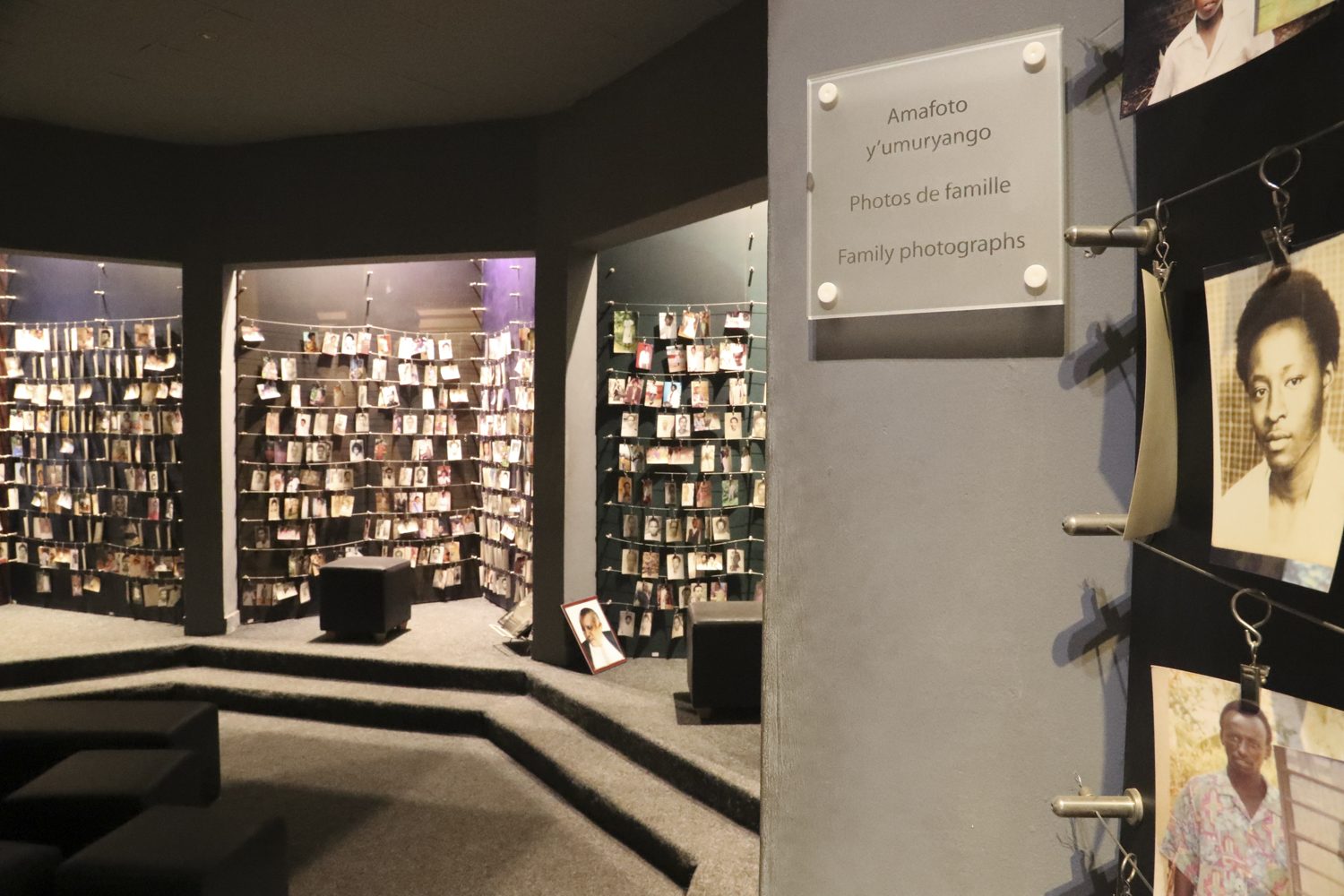
The Kigali Genocide Memorial is the country’s primary memorial and educational center. Located in Kigali, it serves as the final resting place for more than 250,000 victims. The museum presents a clear historical narrative through exhibitions, survivor testimonies, photographs, and artifacts.
Guided tours are available and highly recommended, offering deeper insight into causes, consequences, and Rwanda’s path toward reconciliation.
Regional Genocide Memorials
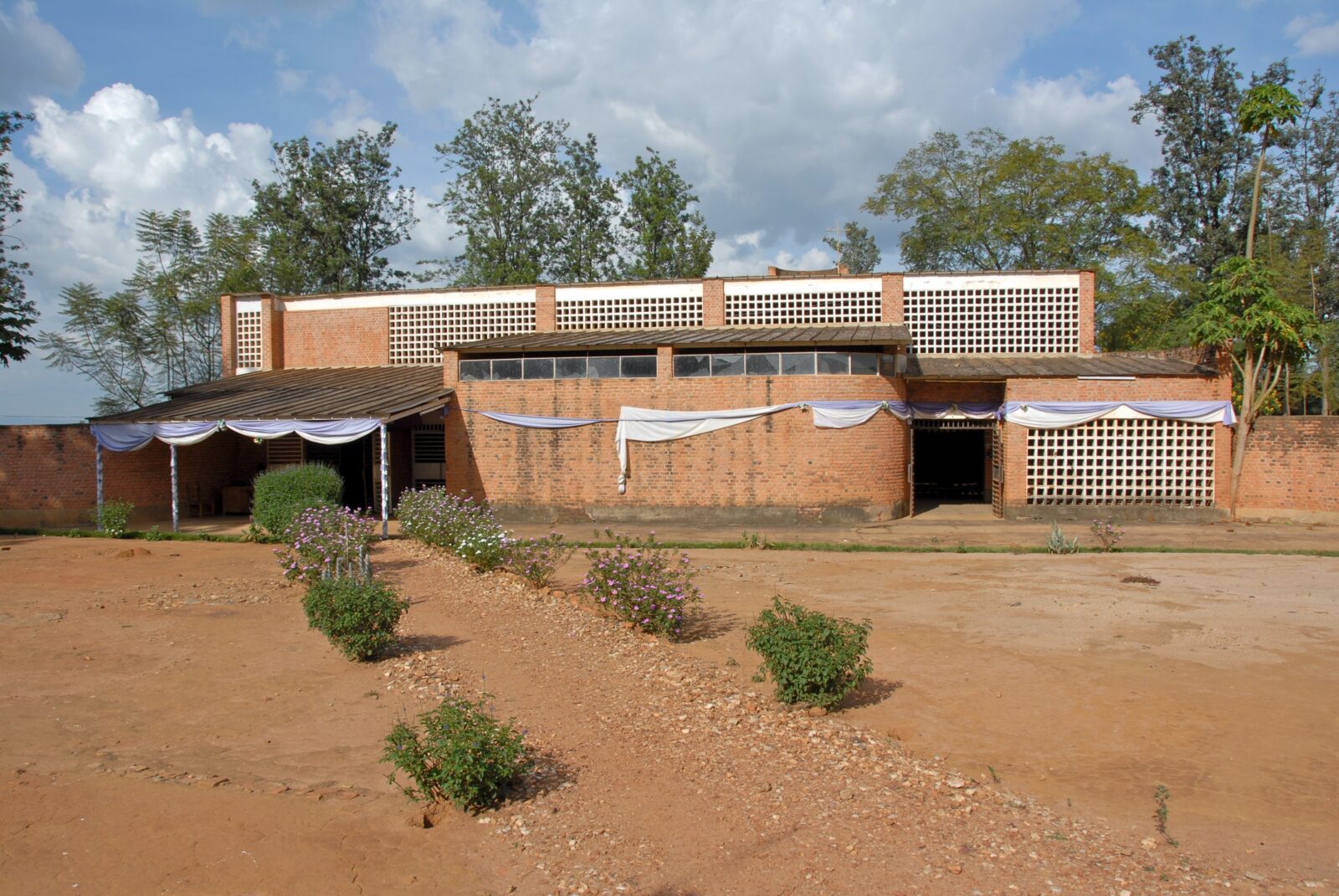
Beyond Kigali, several regional memorials preserve local histories and experiences. The Murambi Genocide Memorial is known for its preserved school buildings and powerful displays that convey the scale of loss. The Nyamata Genocide Memorial and Ntarama Genocide Memorial are former churches where thousands sought refuge, now preserved as sites of remembrance.
Each memorial offers a different perspective, emphasizing local stories within the national narrative.
What to Expect During a Visit
Memorial visits are quiet, guided, and emotionally intense. Exhibitions include human remains, clothing, photographs, and written accounts presented with dignity and care. Visitors are encouraged to move slowly, read carefully, and allow time for reflection.
Photography is restricted in certain areas, and respectful behavior is essential throughout the visit.
Cultural Etiquette and Respect
Dress modestly and behave quietly. Conversations should be subdued, and phones kept on silent. Asking permission before taking photographs is important, and following guide instructions shows respect for the site and those commemorated.
These memorials are sacred spaces for survivors and families, and visitors are expected to honor that significance.
How Memorial Visits Fit into a Travel Itinerary
Genocide memorial visits are often included at the beginning or end of a Rwanda journey, particularly in Kigali. They can be combined with city tours or cultural experiences to provide context before visiting national parks such as Volcanoes National Park or Nyungwe Forest National Park.
Many travelers find that understanding Rwanda’s history deepens appreciation for its present-day peace and progress.
Educational and Reflective Value
Memorials emphasize lessons about intolerance, human rights, and the importance of remembrance. They also highlight Rwanda’s reconciliation efforts, including community justice systems and survivor support, offering hope alongside tragedy.
Who Should Visit
These visits are suitable for mature travelers seeking historical understanding and meaningful engagement. Parents traveling with older teenagers often include memorials as part of educational journeys, guided by sensitivity and preparation.
Final Insight
Rwanda Genocide Memorial visits are among the most moving experiences in the country. They honor memory, encourage reflection, and illuminate Rwanda’s extraordinary journey from tragedy to unity. Visiting with respect and openness allows travelers to leave with deeper understanding, empathy, and appreciation for Rwanda’s resilience.