Rwanda Educational Safaris: Learning Through Travel, Nature, and Culture
Rwanda educational safaris go far beyond wildlife viewing. They combine real-world learning, conservation awareness, cultural understanding, and critical thinking in a safe and well-structured environment. For students, families, schools, and lifelong learners, Rwanda offers one of Africa’s most effective destinations where education happens naturally through experience rather than classrooms.
What Makes Rwanda Ideal for Educational Safaris
Rwanda has intentionally built tourism around learning, responsibility, and conservation. The country’s recovery story, environmental leadership, and community-focused tourism model create an ideal setting for educational travel. Short distances, excellent infrastructure, and professional guiding make it easy to move between learning environments without fatigue. Students remain engaged, focused, and curious rather than overwhelmed.
Educational safaris in Rwanda suit schools, universities, families with children or teens, gap-year travelers, and special-interest groups focused on conservation, development, or African studies.
Conservation Education in Rwanda’s National Parks
Rwanda’s national parks serve as outdoor classrooms. In Volcanoes National Park, learners explore mountain gorilla conservation, habitat protection, and anti-poaching strategies. Ranger briefings explain how tourism revenue directly supports wildlife protection and local livelihoods, making conservation tangible and relevant.
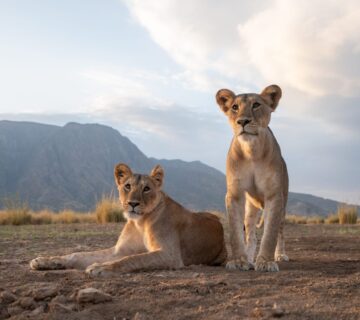
Akagera National Park offers powerful lessons in ecosystem restoration. Students learn how lions and rhinos were reintroduced, how ecosystems recover, and how community cooperation ensures long-term success. These lessons resonate strongly with learners interested in biology, ecology, and environmental science.
Nyungwe Forest provides deep insight into rainforest ecosystems, biodiversity, and climate regulation. Guided walks and canopy experiences introduce concepts such as carbon storage, watershed protection, and species interdependence.
Learning Through Cultural and Community Engagement
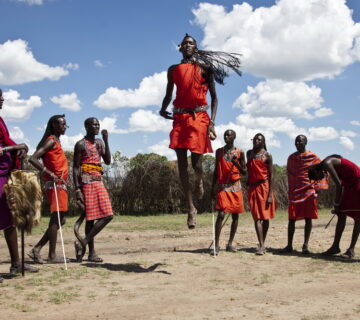
Educational safaris in Rwanda place strong emphasis on people, not just wildlife. Community visits introduce learners to daily life, traditional knowledge, and modern development challenges. Students learn about agriculture, crafts, cooperative projects, and local entrepreneurship directly from community members.
These interactions encourage empathy, cultural respect, and global citizenship. Rather than observing from a distance, learners engage through dialogue, shared activities, and guided interpretation that connects local realities to global issues.
Rwanda’s History as a Powerful Educational Component
Rwanda’s modern history offers one of the most impactful educational experiences in Africa. Guided historical learning helps students understand conflict, reconciliation, resilience, and nation-building. Rwanda presents these topics thoughtfully and responsibly, focusing on lessons learned and future-oriented values.
This aspect of educational safaris supports subjects such as history, social studies, peace studies, and ethics, helping learners develop critical thinking and emotional intelligence.
Educational Safaris for Students and Schools
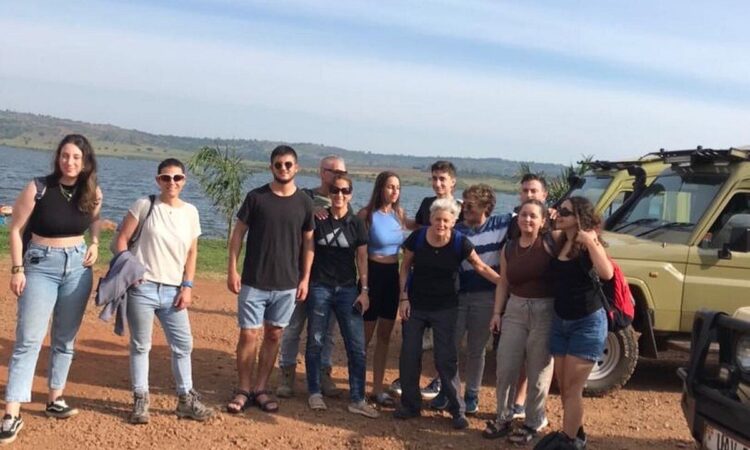
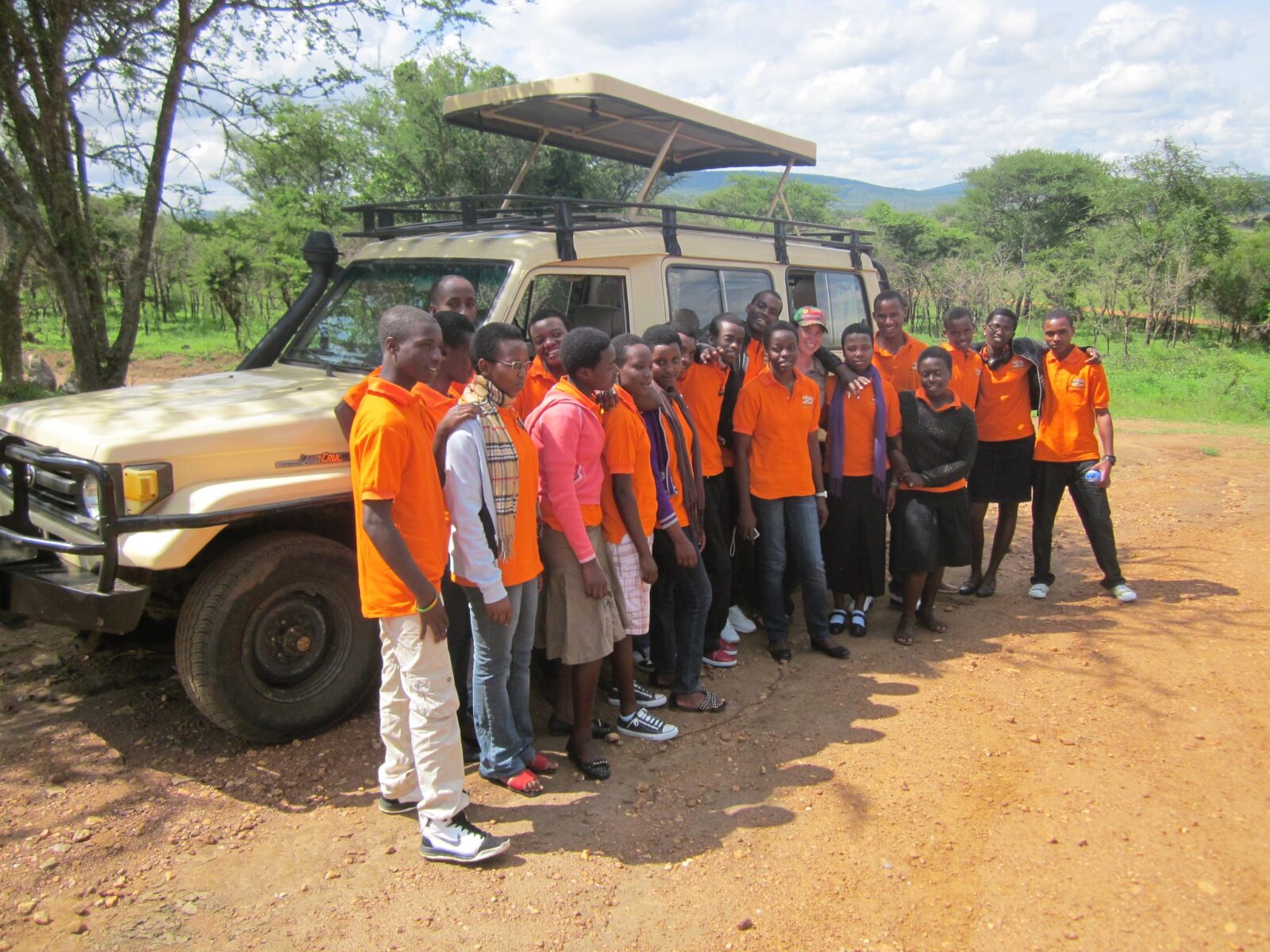
Rwanda is increasingly popular for school and university educational travel programs. Structured itineraries include ranger-led sessions, conservation talks, cultural workshops, and reflection time. Safety, organization, and supervision standards meet international expectations, making Rwanda suitable for student groups.
Educational safaris align well with curricula in biology, geography, environmental science, international relations, and African studies. Learning objectives are reinforced through direct observation and guided discussion.
Family-Based Educational Safaris
Families seeking meaningful travel for children and teenagers find Rwanda exceptionally rewarding. Children learn about wildlife, conservation, and culture through age-appropriate activities. Teenagers engage deeply with sustainability, ethics, and real-world challenges.
Educational family safaris encourage curiosity, responsibility, and shared learning experiences. Parents often find that lessons learned in Rwanda stay with children long after the journey ends.
Professional Guides as Educators
Guides play a central role in Rwanda’s educational safaris. Rwandan guides are highly trained, knowledgeable, and skilled at explaining complex topics clearly. They adapt explanations to suit different age groups and backgrounds, turning every game drive, walk, or visit into a learning opportunity.
This high guiding standard ensures that educational safaris remain accurate, engaging, and meaningful rather than superficial.
Safe and Structured Learning Environment
Safety is essential for educational travel, and Rwanda excels in this area. The country offers low crime rates, professional park management, and reliable emergency systems. Schools and families benefit from predictable logistics, quality accommodation, and well-regulated tourism operations.
This structure allows educators and parents to focus on learning outcomes rather than logistics or safety concerns.
Long-Term Impact of Educational Safaris in Rwanda
Educational safaris in Rwanda create lasting impact. Learners return home with improved environmental awareness, cultural sensitivity, and global perspective. Many participants develop long-term interest in conservation, development work, or international studies.
Rwanda’s approach ensures that learning feels authentic and connected to real outcomes, reinforcing responsible travel values.
Final Thoughts on Rwanda Educational Safaris
Rwanda offers one of Africa’s most effective educational safari environments. Its combination of conservation leadership, cultural depth, safety, and professional guidance transforms travel into purposeful learning. Whether for students, families, or institutions, Rwanda educational safaris deliver knowledge, inspiration, and perspective that extend far beyond the journey itself.