Rwanda Currency & Money Tips
Understanding how money works in Rwanda helps first-time visitors travel with confidence and avoid unnecessary stress. Rwanda offers a modern and efficient financial system, especially in urban areas, while still relying on cash in rural regions. Knowing how to handle currency, payments, and daily expenses ensures smoother interactions throughout your journey.
Rwanda’s Official Currency
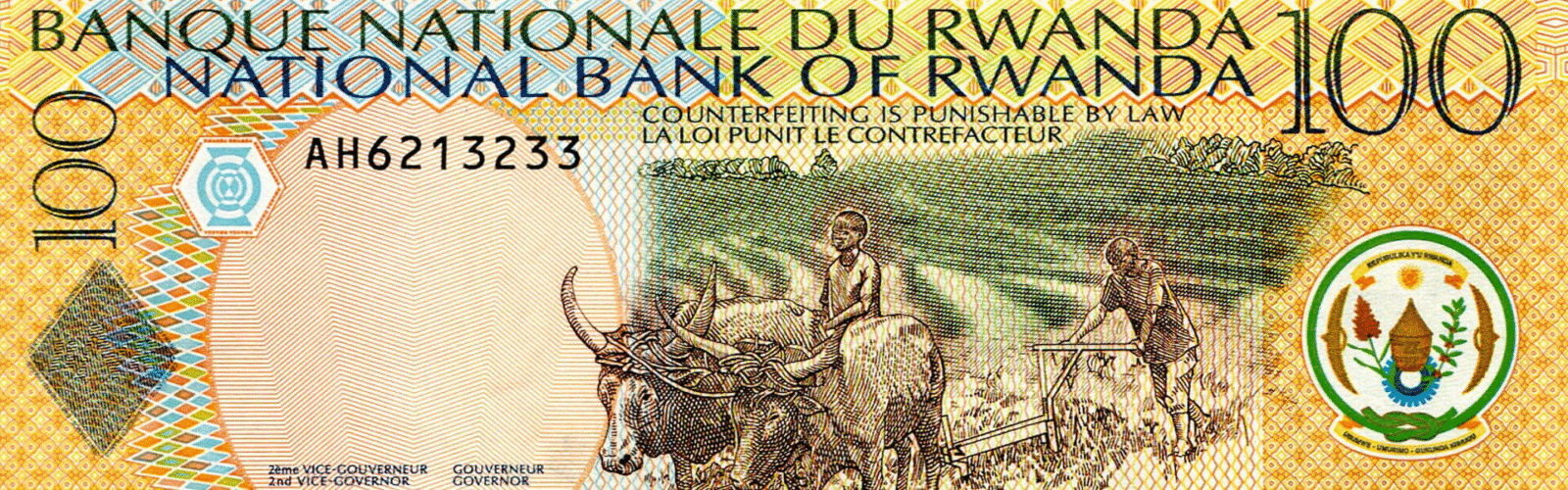
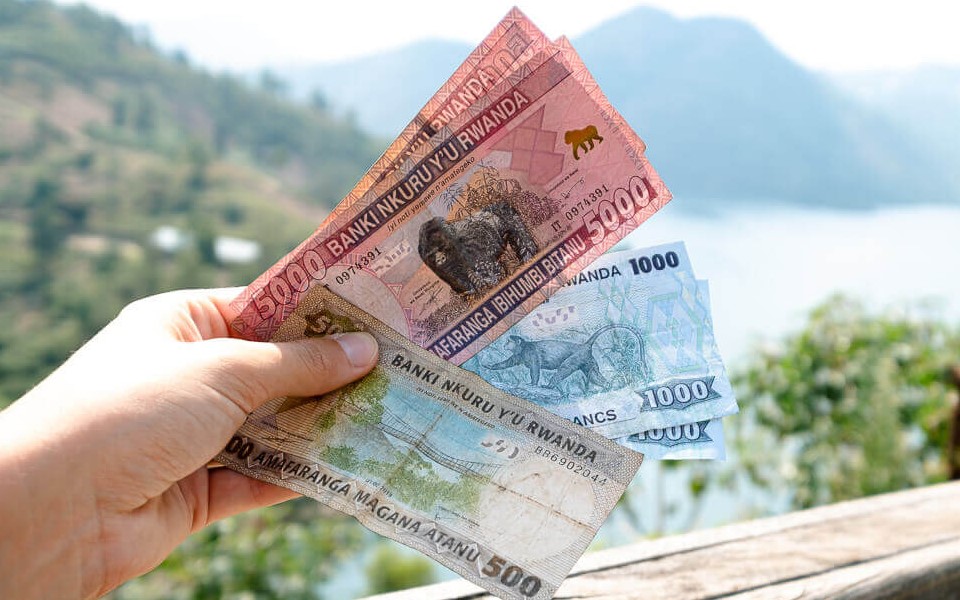
The official currency of Rwanda is the Rwandan Franc. It is used nationwide for everyday transactions, including transport, local markets, and small businesses. Banknotes come in different denominations, and visitors quickly become familiar with their value during daily use. While foreign currency circulates in limited contexts, the Rwandan Franc remains the most practical option for most expenses.
Using Foreign Currency in Rwanda
Some hotels, tour services, and high-end establishments accept foreign currency, particularly for larger transactions. However, this is not universal, and exchange rates may vary. Relying solely on foreign currency can be inconvenient for daily spending. First-time visitors benefit from carrying local currency for flexibility and ease.
Exchanging Money in Rwanda
Money exchange services are available at Kigali International Airport, banks, and authorized exchange offices in major towns. Exchange rates remain competitive at official outlets. Visitors should exchange money only at licensed locations and avoid informal street exchanges. Keeping receipts from exchanges may be helpful during your trip.
ATM Availability and Cash Withdrawals
ATMs are widely available in Kigali and other major towns. They allow withdrawals using international debit and credit cards. Outside urban areas, ATM access becomes limited, making it important to withdraw sufficient cash before traveling to national parks or remote regions. Planning ahead prevents inconvenience during rural travel.
Card Payments and Mobile Money
Card payments are common in hotels, restaurants, supermarkets, and tourism-related businesses, especially in Kigali. Mobile money plays a major role in daily transactions and is widely used by locals. While visitors may not rely heavily on mobile money, its presence reflects Rwanda’s growing digital economy.
Cash vs Cashless Travel
A mix of cash and cashless payment methods works best in Rwanda. Cash remains essential for tips, local purchases, and rural areas. Cards add convenience in cities and larger establishments. Carrying small denominations helps with smooth transactions and avoids change issues.
Tipping Practices in Rwanda
Tipping is appreciated but not mandatory in Rwanda. Many service providers receive fair wages, and tipping reflects personal satisfaction rather than obligation. Small tips for guides, drivers, and hotel staff are welcomed when service exceeds expectations. Travelers should tip respectfully and within their comfort level.
Budgeting for Daily Expenses
Daily expenses in Rwanda remain reasonable outside of major wildlife activities. Local meals, transport, and basic services are affordable, while tourism-focused experiences cost more. First-time visitors should budget realistically, recognizing that conservation-focused tourism influences pricing structures.
Safety Tips for Handling Money
Rwanda remains safe, but travelers should follow common-sense money practices. Carry only what you need for the day, use hotel safes when available, and avoid displaying large amounts of cash. Using regulated exchange services and ATMs enhances security.
Money Tips for Rural and Park Areas
Rural communities and areas near national parks rely heavily on cash. Shops and services may not accept cards, and ATM access is rare. Visitors should prepare cash before leaving major towns. This preparation ensures smooth transactions and supports local businesses.
Understanding Prices and Value
Rwanda emphasizes value rather than low prices. Costs often reflect quality service, safety standards, and conservation investment. Visitors who understand this approach appreciate how their spending supports wildlife protection and community development.
Plan Your Safari
Managing money wisely enhances your travel experience in Rwanda. By combining local currency with card payments and planning cash needs in advance, you can move confidently between cities, parks, and rural areas. Thoughtful preparation allows you to focus on discovery, comfort, and meaningful travel experiences.