Rwanda Cultural Safari Itinerary
A Rwanda cultural safari itinerary focuses on understanding the soul of the country through its people, history, and everyday life. Rather than chasing wildlife alone, this journey highlights Rwanda’s resilience, traditions, and community-driven tourism experiences. Culture in Rwanda feels lived and authentic, expressed through storytelling, music, agriculture, crafts, and shared memory.
This itinerary suits travelers who value depth, learning, and respectful interaction, and it pairs naturally with Rwanda’s calm landscapes and welcoming communities.
Day 1: Arrival in Kigali and Historical Orientation
Your cultural safari begins in Kigali, Rwanda’s political and cultural heart. After airport pickup, you settle into your hotel before beginning a guided city experience.
A visit to the Kigali Genocide Memorial provides essential historical context. The site offers a powerful introduction to Rwanda’s past and its journey toward unity and reconciliation. The afternoon continues with visits to local neighborhoods, art spaces, and viewpoints that reveal Kigali’s modern identity and creative spirit.
Dinner takes place at a local restaurant, where Rwandan cuisine introduces flavors shaped by agriculture and tradition.
Overnight in Kigali.
Day 2: Kigali to Musanze – Rural Life and Cultural Landscapes
After breakfast, you travel north toward Musanze, passing through Rwanda’s iconic terraced hills and rural communities. The drive itself becomes a cultural experience, revealing farming practices, roadside markets, and village life.
In the Musanze region near Volcanoes National Park, you engage with community-led initiatives that focus on heritage rather than wildlife. Local guides explain traditional livelihoods, land use, and the role of conservation in community development.
The evening allows time for reflection in a peaceful highland setting.
Dinner and overnight near Musanze.
Day 3: Iby’Iwacu Cultural Village Experience
This day centers on one of Rwanda’s most respected cultural experiences, the Iby’Iwacu Cultural Village. Formerly a community affected by poaching, the village now represents a successful transition to conservation-based tourism.
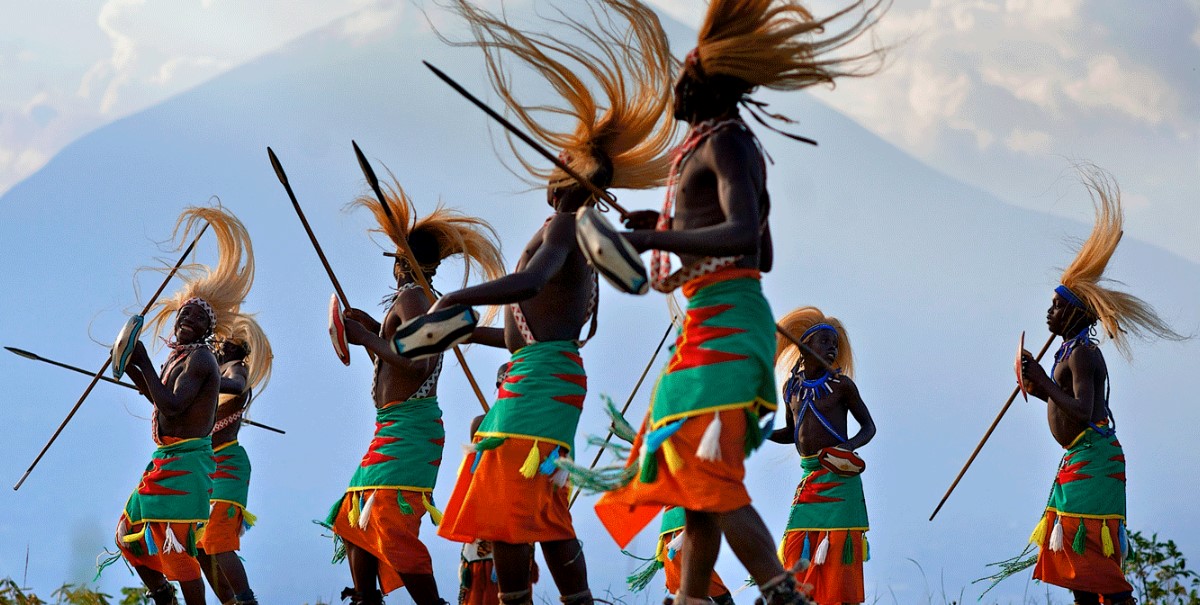
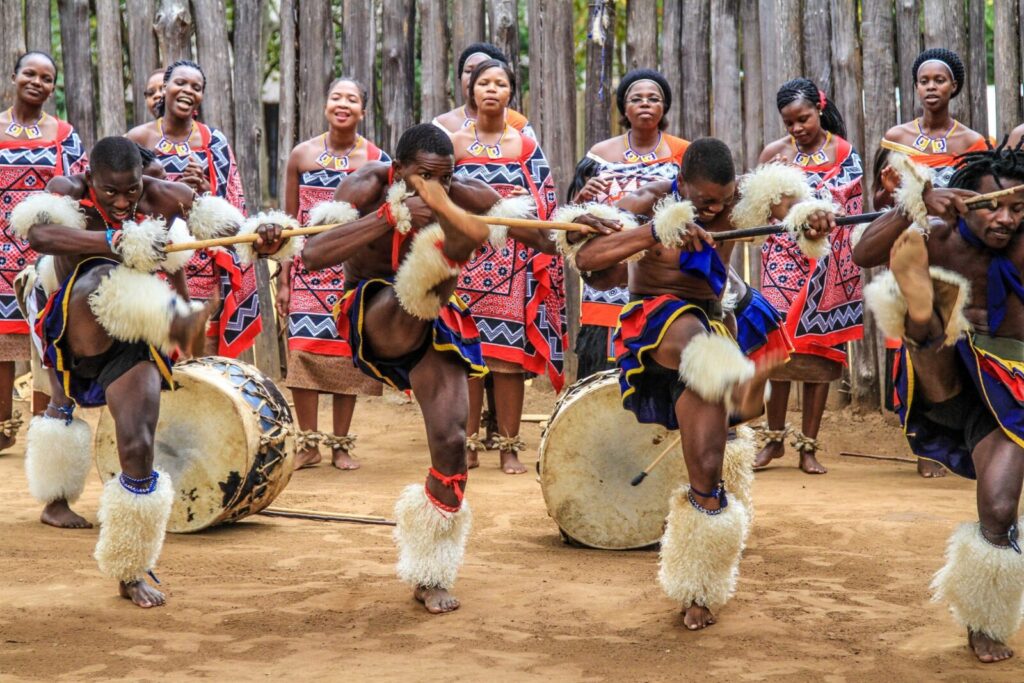
You spend the day learning about traditional Rwandan life through storytelling, music, dance, and demonstrations of everyday activities such as food preparation and medicine use. The experience feels participatory rather than performative, guided by local hosts who share personal narratives.
The afternoon remains unhurried, allowing conversation and cultural exchange to unfold naturally.
Dinner and overnight near Musanze.
Day 4: Musanze to Lake Kivu – Lakeside Communities and Fishing Culture
After breakfast, you travel west toward Lake Kivu, descending from volcanic highlands into a calm lakeside environment.
Lake Kivu offers deep cultural insight through its fishing communities and lakeside villages. Guided walks introduce traditional fishing practices, sambaza drying methods, and daily routines shaped by the lake. Conversations with community members reveal how water, land, and livelihood connect.
The afternoon allows time to relax by the lake, observe village life, and enjoy the slower rhythm that defines this region.
Dinner and overnight on Lake Kivu.
Day 5: Lake Kivu Cultural Encounters and Craft Traditions
This day focuses on cultural immersion along Lake Kivu’s shoreline. You visit local markets, women’s cooperatives, and craft groups producing baskets, pottery, and textiles using traditional techniques.
These interactions highlight Rwanda’s strong community structures and the role of women in economic life. Visitors gain insight into how tourism supports education, healthcare, and household stability through cooperative models.
Sunset over the lake provides a quiet moment of reflection.
Overnight on Lake Kivu.
Day 6: Lake Kivu to Nyungwe Forest – Tea and Community Life
After breakfast, you travel south toward Nyungwe Forest National Park, passing through tea-growing regions that shape the local economy.
You stop at a tea plantation to learn about cultivation, harvesting, and processing. Tea workers explain daily routines and the importance of agriculture to community livelihoods. The journey continues into the forested highlands surrounding Nyungwe.
Dinner and overnight near Nyungwe Forest.
Day 7: Nyungwe Community Walks and Return to Kigali
Your final day focuses on cultural life around Nyungwe Forest. Guided community walks introduce traditional housing, medicinal plants, and forest-edge living. These experiences emphasize coexistence between people and protected environments.
After lunch, you return to Kigali, arriving in the late afternoon for departure or overnight stay.
Why Choose a Rwanda Cultural Safari
Rwanda’s culture feels deeply connected to land, history, and community. Cultural tourism here supports reconciliation, conservation, and local empowerment rather than spectacle. Travelers leave with understanding rather than just images.
This itinerary creates space for listening, learning, and respectful exchange.
Best Time for a Rwanda Cultural Safari
Cultural safaris operate year-round. Dry seasons from June to September and December to February offer comfortable travel conditions. Rainy seasons bring lush landscapes and fewer visitors, often enhancing the intimacy of cultural encounters.
Traveling With Purpose in Rwanda
A Rwanda cultural safari itinerary reveals the country beyond wildlife headlines. It tells stories of resilience, creativity, and shared humanity. For travelers seeking connection rather than consumption, Rwanda offers one of Africa’s most meaningful cultural journeys.