Rwanda Cultural Etiquette for Visitors
Understanding cultural etiquette in Rwanda helps visitors connect respectfully with local communities and enjoy a more meaningful travel experience. Rwandans are known for their politeness, dignity, and strong sense of community, and observing local customs is warmly appreciated.
Greetings and First Impressions
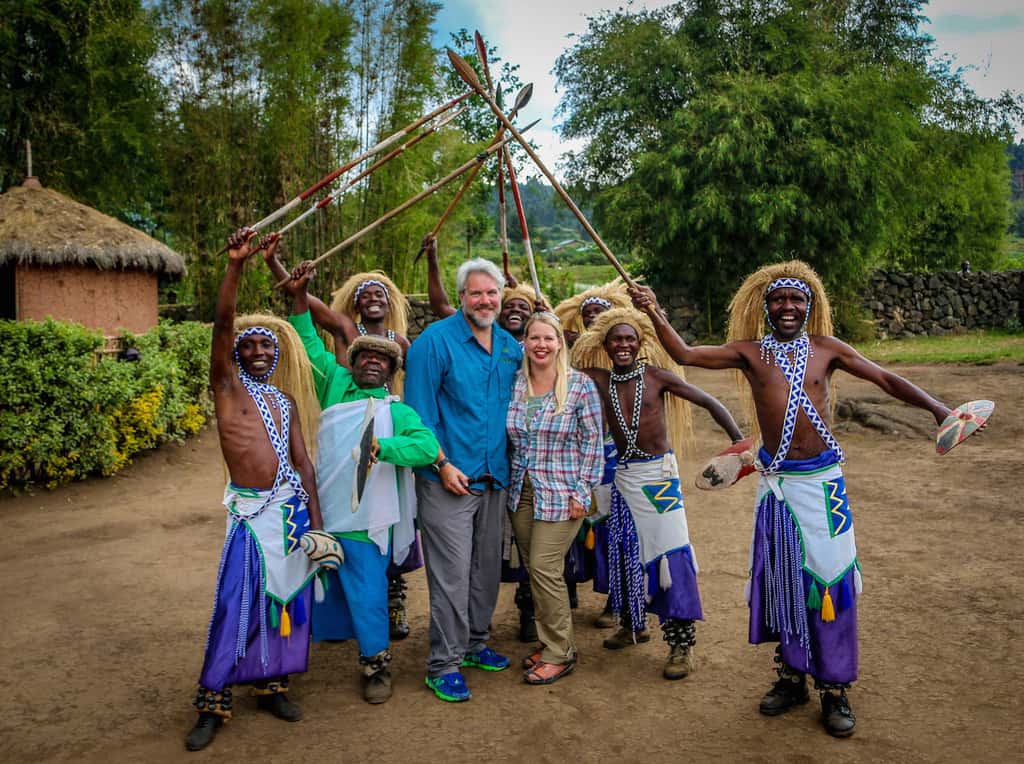
Greetings are an essential part of social interaction in Rwanda. A polite verbal greeting is expected before starting any conversation, whether in cities or rural areas. Handshakes are common, often gentle and unhurried, and may be accompanied by a slight nod or smile as a sign of respect.
When greeting elders or authority figures, showing patience and attentiveness reflects good manners. Rushing conversations or skipping greetings can be perceived as disrespectful.
Respect for Elders and Authority
Rwandan society places high value on respect for elders, leaders, and community figures. Visitors are expected to listen carefully, avoid interrupting, and use polite language when engaging with older individuals.
Standing when greeting elders or waiting to be invited to sit is considered courteous in traditional settings.
Dress Code and Personal Appearance
Modest dressing is encouraged, especially in rural communities, cultural villages, and religious places. While casual wear is acceptable in cities and safari lodges, revealing clothing may attract unwanted attention or discomfort in local settings.
Covering shoulders and wearing knee-length clothing demonstrates cultural sensitivity, particularly when visiting villages near national parks such as Volcanoes National Park or Nyungwe Forest National Park.
Photography Etiquette
Always ask permission before photographing people, homes, or cultural activities. Many Rwandans are happy to be photographed once asked politely, but unsolicited photography can feel intrusive.
Photography around sensitive sites and community areas should be approached with caution. Guides can help clarify where photography is appropriate.
Communication Style and Body Language
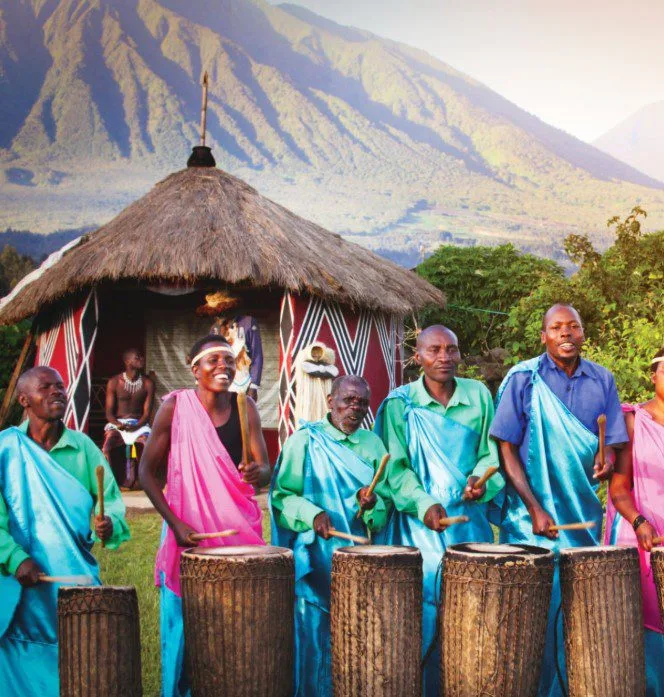
Rwandans value calm, respectful communication. Speaking loudly, pointing directly at people, or using exaggerated gestures may be viewed as impolite. Maintaining a composed tone and relaxed body language helps foster positive interactions.
Direct confrontation or public criticism is generally avoided. Disagreements are handled privately and respectfully.
Cultural Sensitivity and History
Rwanda’s history shapes its present identity. Visitors should approach conversations about history with sensitivity and respect. Avoid making assumptions, jokes, or comparisons that may feel dismissive or offensive.
Listening, asking thoughtful questions, and showing empathy contribute to respectful cultural exchange.
Community Visits and Cultural Experiences
When visiting cultural sites such as Gorilla Guardians Village or Iby’Iwacu Cultural Village, follow guide instructions closely. Participation in activities is welcomed, but observing boundaries and traditions is essential.
Small gestures such as thanking hosts and showing interest in their stories leave a lasting positive impression.
Tipping and Appreciation
Tipping is not mandatory but is appreciated for good service, particularly for guides, drivers, and community performers. Offering tips discreetly and respectfully aligns with local norms.
Verbal appreciation and gratitude are equally valued and often warmly received.
Public Behavior and Social Norms
Public displays of affection are uncommon and should be kept minimal. Politeness, patience, and humility are admired traits. Littering, loud behavior, or disrespect toward public spaces is discouraged.
Rwanda places strong emphasis on cleanliness and order, and visitors are expected to respect these values.
Final Insight
Rwanda cultural etiquette centers on respect, humility, and human connection. By greeting politely, dressing modestly, asking permission, and engaging with genuine curiosity, visitors build meaningful relationships and experience Rwanda not just as a destination, but as a welcoming and dignified society.