Rural Village Visits in Rwanda
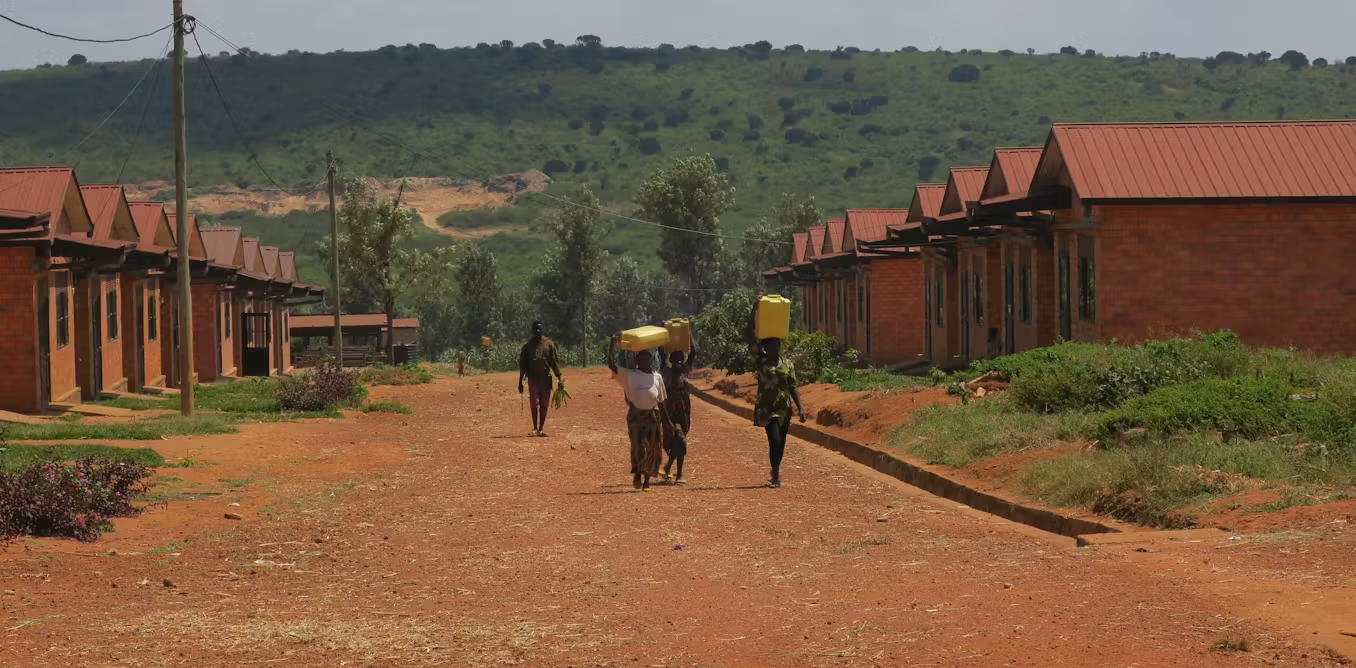
Rural village visits in Rwanda offer travelers an authentic window into everyday life beyond national parks and cities. These experiences focus on community interaction, traditional livelihoods, and cultural exchange, allowing visitors to understand how rural communities live, work, and preserve their heritage in a rapidly developing country.
What Makes Rural Village Visits in Rwanda Special
Rwanda’s rural villages are shaped by strong community values, agriculture-based livelihoods, and deep respect for tradition. Visiting these villages is not about performance but participation—walking through farms, observing daily routines, and engaging in genuine conversation with local residents.
These encounters feel personal and grounded, offering insight into Rwanda’s social fabric and resilience.
Daily Life and Traditional Livelihoods
Most rural communities depend on farming and small-scale trade. Village visits often include time spent in crop fields, banana plantations, or terraced hillsides where visitors learn about staple crops such as beans, maize, sorghum, and potatoes.
Livestock keeping, local markets, and cooperative work groups reveal how communities support one another through shared labor and collective responsibility.
Village Walks and Homestead Visits
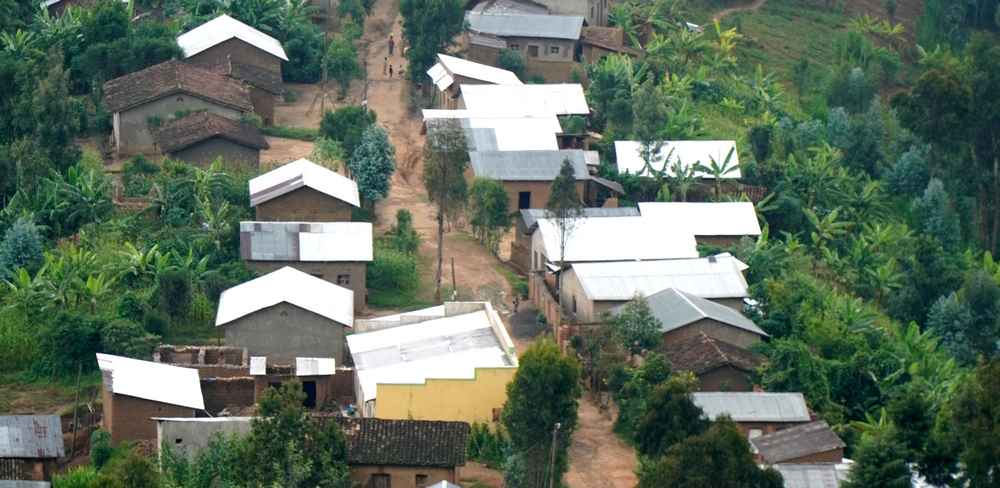
Guided village walks are the heart of rural tourism. Visitors explore footpaths connecting homesteads, schools, churches, and communal spaces. Traditional homes reflect practical design adapted to climate and lifestyle, offering insight into family structures and rural architecture.
Hosts may invite guests into their homes, creating moments of cultural exchange built on respect and curiosity.
Cultural Practices and Local Knowledge
Rural village visits highlight traditions passed down through generations. These may include food preparation, traditional medicine knowledge, storytelling, music, or craft-making such as basket weaving and pottery.
Visitors learn how culture remains woven into daily life rather than reserved for ceremonies alone.
Community Tourism Around National Parks
Many rural village experiences take place near Rwanda’s national parks, where tourism supports conservation-linked livelihoods. Communities surrounding Volcanoes National Park, Nyungwe Forest National Park, and Akagera National Park engage visitors through village walks, cultural storytelling, and local projects funded by tourism revenue.
These visits show how rural development and wildlife conservation work together.
Responsible Interaction and Cultural Respect
Respectful behavior is essential during rural village visits. Greeting community members politely, dressing modestly, and asking permission before taking photographs reflect cultural sensitivity. Guides play an important role in facilitating respectful interaction and explaining local customs.
Visitors are encouraged to listen, learn, and engage without judgment or intrusion.
How Rural Village Visits Fit into a Safari Itinerary
Rural village visits are easy to combine with wildlife safaris and cultural attractions. They are usually short, flexible experiences that add cultural depth to gorilla trekking, chimpanzee tracking, or savannah safaris.
These visits help balance wildlife-focused itineraries with human connection and cultural understanding.
Best Time for Rural Village Visits
Rural village visits are available year-round. Dry seasons make walking easier, while the wetter months offer lush scenery and active farming cycles that add visual interest and learning opportunities.
Seasonal activities such as planting or harvesting may enhance the experience depending on timing.
Who Rural Village Visits Are Best For
These experiences suit travelers seeking authenticity, cultural learning, and responsible tourism. They appeal to families, educators, photographers, conservation-minded visitors, and anyone wanting to understand Rwanda beyond its iconic wildlife.
Final Insight
Rural village visits in Rwanda reveal the heart of the country—its people, traditions, and everyday rhythms. Through simple interactions, shared stories, and community connection, visitors gain meaningful insight into Rwandan life and leave with a deeper appreciation of the culture that supports the nation’s conservation and development success.